
Light Requirements
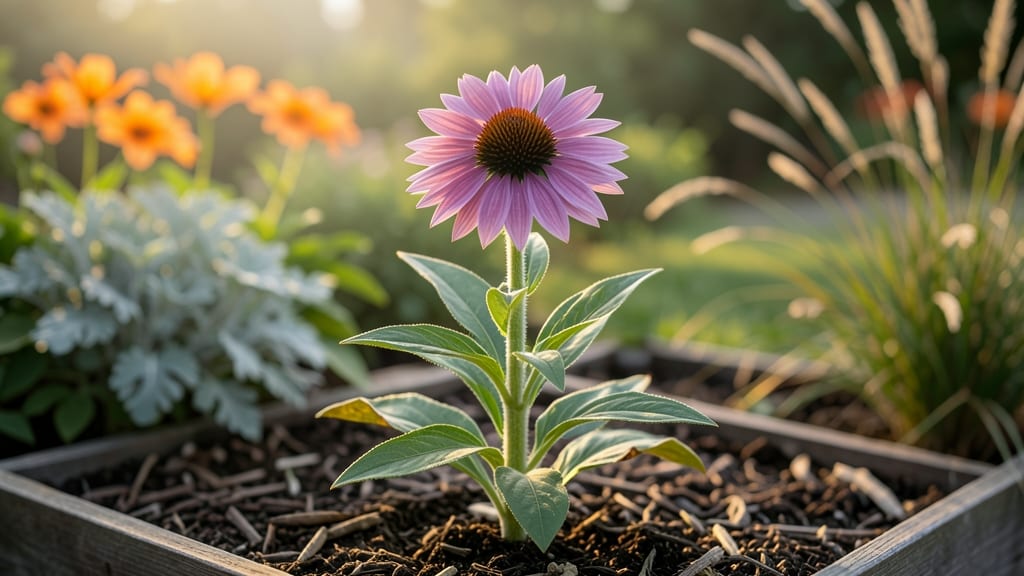
Coneflower light requirements are all about finding the sweet spot between too much shade and scorching sun—because these sun-loving perennials 🌼 won’t bloom their best without the right balance.
Struggling to get your coneflowers to bloom as vibrantly as you’ve seen in garden photos? Light exposure could be the missing piece—these hardy perennials thrive in specific sun conditions that most gardeners overlook.
Most varieties, like the classic purple Echinacea, crave 6 to 8 hours of direct sunlight daily, but they can also handle partial shade in hotter climates like Zone 6a. Too little light?
You’ll get leggy stems and sparse blooms. Too much? The leaves may scorch, especially in afternoon heat.
In this guide, I’ll break down how to spot the perfect light spot in your garden, adjust for containers or shaded areas, and troubleshoot common mistakes that keep coneflowers from reaching their full potential.
 Best Window Placement
Optimal sunlight zones for coneflower growth and blooming
Coneflowers (Echinacea) are prized for their vibrant blooms and low-maintenance nature, but their light requirements can make or break your garden’s success. These perennials thrive in full sun, but not all varieties have the same tolerance.
Understanding your garden’s sun exposure zones is key to maximizing their flowering potential.
Most coneflowers, like the purple coneflower (Echinacea purpurea), need 6-8 hours of direct sunlight daily for robust growth. However, some white coneflower varieties (Echinacea pallida) can tolerate partial shade, especially in hotter climates.
The difference in light needs often comes down to your USDA hardiness zone and local microclimates.
| Coneflower Variety | Ideal Sunlight | Minimum Sunlight | Notes |
|---|---|---|---|
| Purple Coneflower (Echinacea purpurea) | Full sun (6-8+ hours) | 4-6 hours (partial shade) | Best blooms in full sun; tolerates afternoon shade in hot zones. |
| White Coneflower (Echinacea pallida) | Full sun to partial shade (4-6 hours) | 3-4 hours | More shade-tolerant; ideal for woodland gardens. |
| Green Coneflower (Echinacea paradoxa) | Full sun (6+ hours) | 4-5 hours | Native to prairies; thrives in open, sunny spaces. |
| Dwarf Varieties (e.g., 'White Swan') | Full sun (5-6 hours) | 3-4 hours | Smaller stature; adaptable to containers with adequate light. |
To identify your garden’s sun exposure zones, use the 'sun hours' rule: mark your yard in morning, midday, and afternoon to track how sunlight shifts.
A south-facing spot typically gets the most sun, while north-facing areas may stay shady. East-facing zones offer morning light, perfect for varieties like white coneflower that prefer gentler conditions.
If your coneflowers are planted in partial shade, expect fewer blooms and taller, leggier stems. This happens because the plant stretches toward light, diverting energy from flower production.
In full sun, however, you’ll see sturdy stems and abundant blooms from early summer through fall. The trade-off? Hot, dry climates may require extra watering to prevent wilting.
For container gardening, place coneflowers in south- or west-facing pots to ensure they get enough sunlight. If your balcony or patio only offers partial shade, choose white or green coneflower varieties, which are more adaptable.
Rotate containers occasionally to promote even growth and prevent leaning toward the light.
Pro tip: Mulch around your coneflowers to retain moisture and regulate soil temperature. In full sun, mulch helps prevent soil overheating, while in partial shade, it keeps roots cool.
Use organic mulch like shredded leaves or straw, and apply a 2-3 inch layer around the base, keeping it 2 inches away from stems to avoid rot.
Another key factor is seasonal light changes. Coneflowers planted in late spring may struggle in summer shade from nearby trees. If you’re adding coneflowers to an established garden, prune trees strategically to allow more light to reach the base.
Just be mindful—sudden exposure to full sun after years of shade can cause sunburn on leaves.
For beginner gardeners, start with purple coneflower varieties—they’re the most forgiving and drought-tolerant. If your garden is shady due to large trees, consider underplanting coneflowers with shade-loving perennials like hostas or ferns to create a layered, low-light-friendly bed.
This way, you still get seasonal color without compromising the coneflowers’ needs.
Remember, light is just one piece of the puzzle. Pair optimal sunlight with well-draining soil and moderate watering to ensure your coneflowers reach their full potential. With the right sun exposure, these hardy plants will reward you with months of vibrant blooms and low-maintenance beauty. 🌼
How to adjust light conditions for maximum coneflower blooms
If your coneflowers aren’t blooming as prolifically as you’d like, adjusting their light exposure could be the game-changer. These sun-loving perennials need 6-8 hours of direct sunlight daily, but many gardeners unintentionally limit their growth with poor light placement.
The good news? With a few strategic tweaks, you can optimize their environment—whether you’re dealing with too much shade or harsh afternoon sun.
Start by assessing your garden’s sunlight patterns. Use a simple trick: mark your garden with stakes and track sunlight throughout the day. If your coneflowers are in a shady spot, they’ll stretch toward light, producing weak stems and fewer blooms.
Conversely, if they’re getting intense afternoon sun, their leaves may scorch. The key is finding that sweet spot where they get bright light without overheating.
🌱 Adjusting Light for Coneflowers: Key Steps
- 1. Prune nearby trees to increase sunlight by 30-50%. Focus on high branches that cast deep shade.
- 2. Plant reflective surfaces like gravel or light-colored mulch near your coneflowers to bounce extra light onto their leaves.
- 3. Rotate containers seasonally—place them in morning sun during summer’s harsh afternoons.
- 4. Use drip irrigation to keep soil moist, which helps coneflowers tolerate partial shade better.
- 5. Add companion plants like yarrow or black-eyed Susans to create a microclimate with better airflow and light.
For gardens with limited sunlight, consider growing dwarf coneflower varieties like ‘White Swan,’ which tolerate 3-4 hours of sun. These varieties still produce stunning blooms but require less light.
Pair them with light-colored mulch to maximize the light they do receive. In containers, use self-watering pots to ensure consistent moisture, which helps them thrive in suboptimal light.
If your coneflowers are getting too much direct sun, provide afternoon shade using lattice screens or shade cloth rated for 30-50% light reduction. This prevents leaf burn while still allowing enough light for blooming.
Avoid dense shade cloth, as it can block too much light and stunt growth. Instead, opt for sheer fabrics that diffuse sunlight gently.
Seasonal adjustments are also crucial. In summer’s peak heat, move potted coneflowers to a spot with morning sun and afternoon shade. In spring and fall, when sunlight is gentler, they can handle more direct exposure.
This flexibility ensures your coneflowers get the right amount of light year-round, leading to longer bloom seasons and healthier plants.
Finally, don’t overlook the power of mulching. A 2-3 inch layer of organic mulch keeps soil temperatures stable, which helps coneflowers manage light stress. It also retains moisture, reducing the risk of drought-related leaf scorch.
Combine this with regular pruning to remove dead blooms and encourage more flowers—your coneflowers will reward you with vibrant, long-lasting blooms all season long.