
Blooming
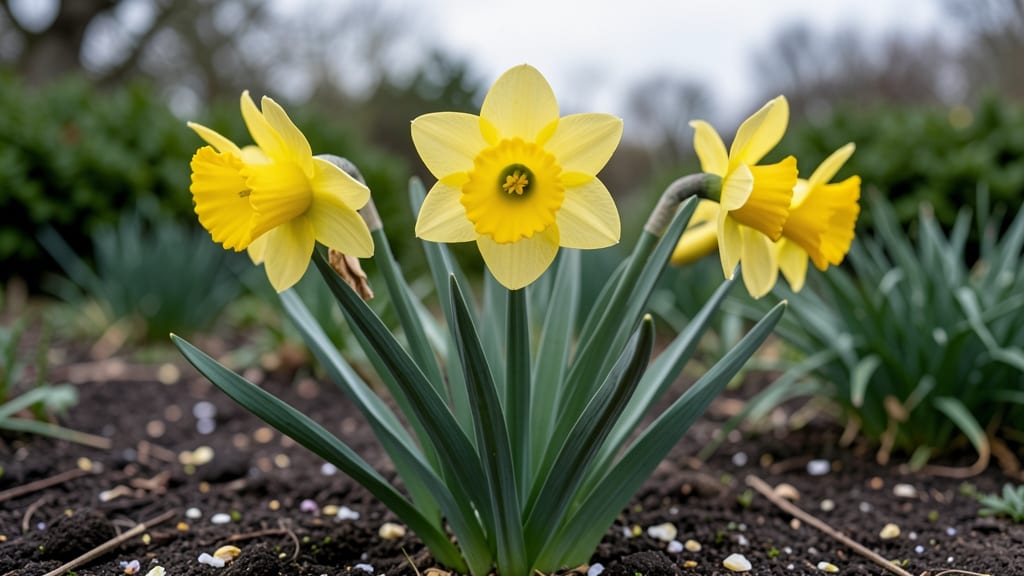
Your daffodil flowering time depends on when you plant the bulbs and where you live—because a September planting in Zone 6a won’t bloom the same as one in Zone 8.
Nothing announces spring’s arrival like golden 🌼 daffodils bursting through frost-kissed soil—but timing your planting wrong can leave you with sad, sparse blooms instead of a vibrant display. Mastering daffodil flowering time by USDA zone ensures your garden erupts in color exactly when you want it, year after year.
Most daffodils bloom between late winter and early spring, but the exact timing shifts based on your climate. In cooler zones like 6a, expect blooms as early as March, while warmer regions may see flowers stretching into May.
The key? Planting bulbs 6-8 weeks before the ground freezes—typically between September and November—gives roots time to establish before winter.
Below, I’ll break down the perfect planting window for your zone, how to choose varieties for staggered blooms, and simple tricks to extend your daffodil season. Ready to transform your spring into a nonstop parade of color?
Daffodil flowering time by USDA zone: exact months for peak blooms
Daffodils are nature's perfect spring messengers, but their blooming windows shift dramatically across USDA zones 3-9. In cold climates (zones 3-5), expect vibrant displays as early as late March, while mild zones (8-9) may see blooms stretching into May or June.
These differences come down to chilling requirements—most daffodils need 4-8 weeks below 40°F to trigger flowering, but some varieties adapt beautifully to warmer winters.
Your local microclimate also plays a role—valleys bloom later than hilltops, and coastal areas often experience delayed flowering due to milder winters. The key to consistent blooms? Planting early, mid, and late varieties together creates a staggered display that lasts 4-6 weeks.
For example, 'Tête-à-Tête' (dwarf) might bloom in April in zone 6, while 'Ice Follies' (standard) follows in May.
Here's how to match your zone to bloom timing—plus the top-performing varieties for each region:
Notice how chilling requirements decrease in warmer zones? Varieties like 'Mexican Gold' thrive in zones 9-10 with just 2 weeks of cold, while 'Carlton' needs 8 weeks in zones 3-4 to bloom reliably.
This explains why some gardeners in zone 7 report late or sparse blooms—their winters may not provide enough chilling hours for traditional varieties.
For mild-winter zones (8-9), consider paperwhite daffodils or jonquil varieties, which bloom even with minimal chilling. These low-chill types often flower in late winter, creating early color when other bulbs are still dormant.
Just plant them 6-8 weeks earlier than your fall planting deadline to ensure roots establish before warm weather arrives.
Another pro tip: Soil temperature triggers blooming after chilling. Most daffodils need 50-60°F soil temps to break dormancy. In northern zones, this happens in March, while southern zones may wait until April.
You can accelerate blooming in cold springs by mulching heavily in late winter to warm the soil faster.
If you're in zone 6 or colder and want earlier blooms, try planting 'February Gold' in well-drained, sunny spots—it often flowers 2-3 weeks earlier than standard varieties. For zone 8+ gardeners, 'Ziva' and 'Tahiti' are excellent choices that rebloom reliably with proper care.
Remember: Daffodil blooming time isn't set in stone—your planting depth, soil fertility, and watering habits all influence timing. For example, planting bulbs too deep can delay blooming by 1-2 weeks, while over-fertilizing with nitrogen may produce lush foliage but fewer flowers.
Aim for 6-8 inches deep in most soils, and use a balanced bulb fertilizer at planting time.
🌼 For the most predictable blooms, keep a planting journal tracking varieties, zones, and bloom dates. Over time, you'll discover which
How to time daffodil planting for reliable spring flowering every year
Timing your daffodil planting is the secret to predictable spring blooms. The 6-8 week rule ensures bulbs develop strong roots before winter dormancy, guaranteeing vibrant flowers when you want them. Plant too early, and roots may rot; too late, and blooms arrive late—or not at all.
Your USDA zone dictates the perfect window—typically between September and November—but soil temperature is the real trigger. Aim to plant when soil cools to 60°F (15°C) or below, signaling bulbs to start root growth without sprouting prematurely.
- 📅 Zone 3-5: Plant September 15-October 15 for March-April blooms
- 🌡️ Zone 6-7: Target October 1-November 1 for April-May flowers
- 🌿 Zone 8-9: Plant November 1-December 1 for late spring blooms
- ⏰ Soil temp trigger: Wait until 60°F (15°C) or below
- 🌱 Root depth: Aim for 6-8 inches deep for stable anchorage
- ❄️ Frost buffer: Plant 4-6 weeks before first hard frost
For early springs, plant early varieties like 'Tête-à-Tête' in September—they bloom faster. In late-spring zones, opt for 'Ice Follies' or 'Thalia' planted in November to extend your season. Always plant bulbs 3x their height deep and space them 4-6 inches apart.
Adjust for unpredictable winters by using a mulch blanket of straw or leaves after planting. This insulates bulbs from temperature swings while allowing moisture to penetrate. In warmer zones (8-9), plant deeper (8-10 inches) to protect bulbs from premature sprouting during mild winters.
Pro tip: Mark your planting date and add 6-8 weeks to predict bloom time. For example, a September 15 planting in Zone 6 should bloom around November 25—but adjust for your local frost dates. Test soil moisture before planting; bulbs need well-draining soil to avoid rot.
With the right timing, your daffodils will bloom reliably for 10+ years, rewarding you with cheerful color every spring. Start now, and next year’s garden will thank you! 🌼