
Planting
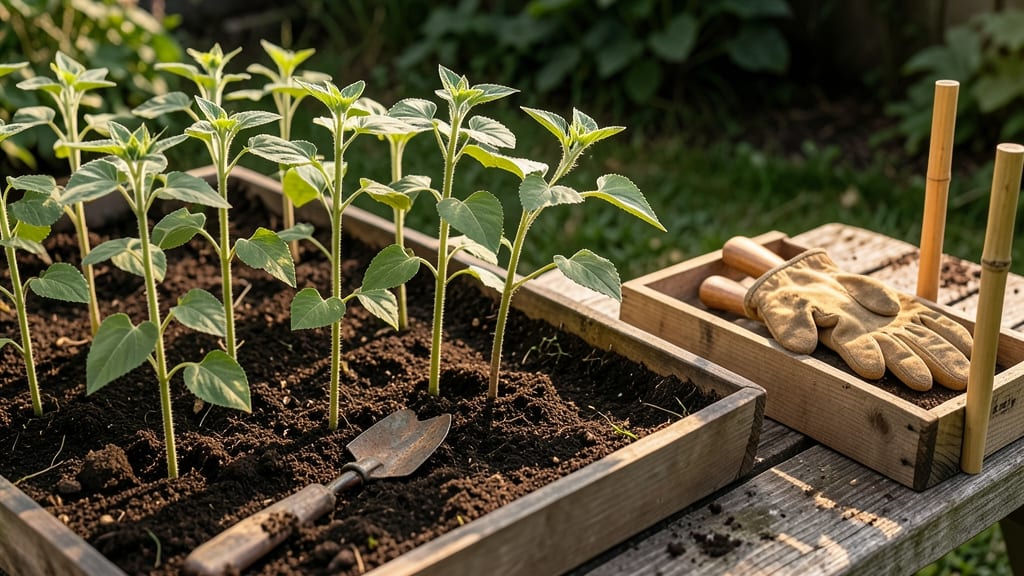
What time of the year do you plant sunflowers? The best window is spring—after the last frost—when soil temperatures hit 50°F or warmer, and those towering 🌻 stalks will reward you with bold blooms by summer.
Picture this: you’ve waited all winter, and now the garden is ready for color. But if you plant too early, a late frost will nip those young sprouts in the bud. Too late, and your sunflowers might bolt before they even open.
The difference between a thriving plant and a sad, stunted one often comes down to timing—and your climate zone plays a huge role.
In cooler regions like Zone 6a, aim for April or May once the ground thaws. Warmer areas can stretch planting into early summer, but even there, heat waves can stress seedlings. The key? Soil warmth, not just air temperature—because cold soil delays germination, leaving your sunflowers playing catch-up all season.
Below, I’ll break down the exact months for your zone, how to prep soil for maximum growth, and the one trick that keeps sunflowers blooming longer. No more guessing—just peak performance from seed to sun.

Best sunflower planting times by USDA climate Zones (with exact months)
Sunflowers are fast-growing annuals that reward patience with stunning blooms, but their success hinges on planting them at the right time. Since sunflowers are frost-sensitive and need warm soil to germinate, timing varies dramatically from Zone 3 to Zone 11.
Plant too early, and frost will kill seedlings; too late, and you’ll miss the 60-120-day bloom window for most varieties. Let’s break down the best months for your region.
In cooler northern zones (3-5), you’ll plant sunflowers as soon as the soil warms to 50°F (10°C)—typically late April to early May. Southern zones (8-11) have a longer window, allowing March-April or even late summer plantings for fall blooms.
The key is avoiding soil temperatures below 55°F (13°C), which slows germination.
For direct sowing (the easiest method), wait until the soil temperature consistently stays above 55°F (13°C). Use a soil thermometer to check—sunflowers won’t germinate in cold soil.
In Zones 3-5, this often means waiting until after Memorial Day, while Zones 7-11 can start as early as February.
If you prefer transplanting seedlings, start them indoors 2–3 weeks before your last frost date. Sunflowers hate root disturbance, so use biodegradable pots and transplant with the root ball intact. Harden off seedlings for 5–7 days before moving them outdoors to avoid shock.
In Southern states (Zones 8-11), you can also plant sunflowers in late summer for fall blooms. Choose fast-maturing varieties (like 'Moulin Rouge', which blooms in 60 days) to ensure flowers open before the first frost. This trick extends your bloom season and attracts late-season pollinators.
One common mistake is planting sunflowers too early in hopes of an earlier harvest. Cold soil and frost will stunt seedlings or kill them outright. If your spring is unpredictable, opt for late spring plantings (even June in cooler zones) for reliable blooms.
Sunflowers are heat-tolerant, so they’ll thrive even if planted later.
For container growing, plant sunflowers in large pots (12+ inches deep) and use a fast-draining mix. Containers warm up faster than garden soil, so you can plant 1–2 weeks earlier than in-ground plantings. Just ensure the pot stays consistently moist—sunflowers in containers dry out faster.
Pro tip: If you’re in a transition zone (e.g., Zone 6b), split your plantings. Sow half in early May and half in late June for a staggered bloom season from July to October. This ensures you always have fresh cut flowers or seeds ready for harvest.
Remember, sunflowers are photoperiod-sensitive, meaning their bloom time depends on daylight hours. In northern latitudes, they’ll bloom earlier than in southern regions with longer days. Adjust your planting window accordingly to align blooms with your desired harvest time.
🌻
How to adjust planting time for early vs. late blooming sunflower varieties
Not all sunflowers bloom at the same time, and their maturity timelines can vary dramatically—from 60 days for dwarf varieties to 120 days for towering giants. This means your planting schedule should shift based on whether you're growing early bloomers like 'Teddy Bear' or late-season giants like 'Russian Giant'.
Early blooming sunflowers, such as dwarf varieties or single-stemmed types, can handle cooler soils and shorter growing seasons. They’re perfect for gardeners in USDA Zones 3-5 who want summer color without waiting months.
Meanwhile, late bloomers like 'Mammoth' or 'Autumn Beauty' need a longer warm season to reach their full potential.
Here’s how to match your planting time to your sunflower’s maturity timeline:
For cooler climates, late blooming varieties like 'Autumn Beauty' can be tricky. To extend their growing season, try planting them in microclimates like near south-facing walls or in greenhouses. You can also use row covers to protect young plants from unexpected frosts.
If you love double-bloom sunflowers, like 'ProCut Double' or 'Moulin Rouge', plant them in early June for a late-summer show. These varieties often take longer to mature, so avoid planting them too early—you’ll end up with leggy, weak stems.
Pro tip: Mix early and late bloomers in your garden for a continuous display from July through October. Start with dwarf varieties in April, then add giant types in June for a dramatic height contrast and extended bloom time.