
Light Requirements
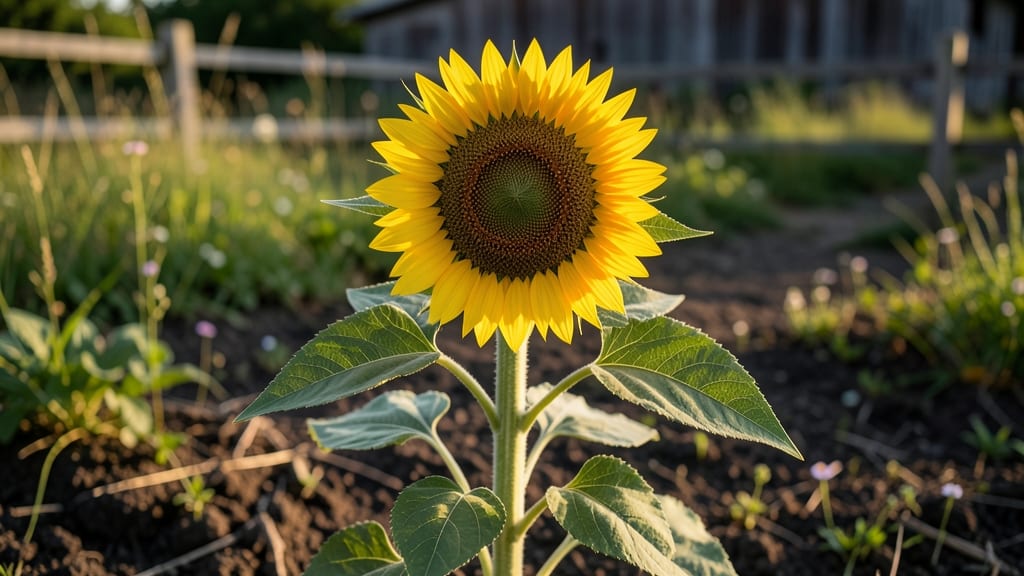
Sunflowers need sun to thrive, and skipping the light means missing out on those towering blooms 🌻 — but how much is too little?
Picture this: you’ve planted your seeds after the last frost, watered them faithfully, and even fertilized like the guide said. But your sunflowers are stretching like they’re reaching for something, their stems weak and leaves pale. That’s not just a growth spurt — it’s a cry for light.
Most sunflowers demand 6 to 8 hours of direct sunlight daily, though some dwarf varieties can handle a few hours less. Too little light slows growth, delays flowering, and even shrinks seed production.
The good news? With the right placement and a few simple adjustments, you can turn even a shady spot into a sunflower success story.
In this guide, I’ll break down exactly how much sun your sunflowers need, what happens when they don’t get enough, and how to fix it—whether you’re working with a full sun garden or making do with partial shade.

How many hours of sun sunflowers need daily (and what happens if they don’t)
Sunflowers are sun worshippers by nature, and their full-sun requirements aren’t just a preference—they’re a biological necessity. Without enough light, these cheerful giants won’t just underperform; they’ll struggle to survive.
The minimum sun requirement for sunflowers is 6-8 hours of direct sunlight daily, but most varieties thrive with 8-12 hours, especially in hot climates. This isn’t just about aesthetics—it’s about photosynthesis efficiency, which powers their rapid growth and seed production.
Think of sunflowers like solar panels in your garden. Their large, broad leaves are designed to capture maximum sunlight, converting it into energy through photosynthesis. When deprived of light, they’ll stretch toward any available source—a phenomenon called etiolation—resulting in weak, leggy stems that can’t support their own weight.
Worse yet, their flower production will plummet, and petals may turn pale or fail to open entirely.
Here’s the catch: not all sunflowers are created equal. Giant varieties like ‘Mammoth’ or ‘Russian Giant’ demand the most sunlight, while dwarf sunflowers (like ‘Teddy Bear’ or ‘Sunspot’) can tolerate slightly less light.
Even then, pushing their limits risks stunted growth and poor seed development. Let’s break down the exact sunlight needs by variety and what happens when they fall short.
| Variety Type | Minimum Sun Hours | Ideal Sun Hours | Signs of Sun Deprivation | Best For |
|---|---|---|---|---|
| Giant Sunflowers | 8-12 hours | 10-12 hours | Leggy stems, small flowers, weak stalks | Cut flowers, seed production |
| Standard Sunflowers | 6-8 hours | 8-10 hours | Pale petals, slow growth, poor flowering | Cut flowers, bird feeders |
| Dwarf Sunflowers | 4-6 hours | 6-8 hours | Stunted height, few blooms, weak stems | Containers, borders, pollinators |
| All Varieties (Seedlings) | 4-6 hours | 6-8 hours | Yellowing leaves, slow germination, weak roots | Early growth phase |
The science behind sunflower sunlight needs boils down to chlorophyll production and energy storage. Sunflowers store energy in their taproots, which can grow up to 6 feet deep in search of moisture and nutrients.
But without sufficient sunlight, these roots can’t fuel the plant’s above-ground growth. This is why sunflowers grown in partial shade often develop long, weak stems—they’re desperately reaching for light, but their structural integrity suffers.
If you’re measuring sunlight in your garden, use the shadow test: Place a stake where you plan to plant and mark the shadow every hour. If the shadow is shorter than the stake for less than 6 hours, that spot gets partial shade.
For sunflowers, aim for a shadow that’s shorter than the stake for 8+ hours. Morning sun is valuable, but afternoon sun (12 PM–4 PM) is critical for maximizing photosynthesis, especially in hot climates where heat stress can compound light deprivation.
What happens when sunflowers don’t get enough sun? The symptoms are tell-tale signs of distress. First, you’ll notice leggy stems that lean dramatically toward the light source. Next, the leaves may yellow or develop purple tinges, a sign of nutrient deficiencies caused by poor energy production.
Finally, the flowers will be small, pale, or fail to bloom entirely, and the seed heads may not develop properly. In extreme cases, the plant may bolt prematurely (send up a flower stalk without proper growth) or even die back entirely.
For container growers, the stakes are even higher. Sunflowers in pots or raised beds dry out faster and have limited root access, making them more sensitive to light deprivation.
If your sunflower is in a container, ensure it gets full sun exposure and rotate the pot every few days to prevent uneven growth toward the light. Reflective surfaces, like white walls or mulch, can also bounce extra light onto your plants, mimicking a sunnier environment.
Pro tip: If you’re in a shady climate or urban area with limited sunlight, choose dwarf or semi-dwarf varieties like ‘Autumn Beauty’ or ‘ProCut’. These tolerate 4-6 hours of sun better than giants, though they’ll still reward you with vibrant blooms if given the best light possible.
And remember: supplemental grow lights can be a lifesaver for indoor or heavily shaded gardens, especially during seedling stages when light needs are most critical.
At the end of the day, sunflowers aren’t just loving the sun—they’re dependent on it. By meeting their light requirements, you’re not just growing a plant; you’re cultivating a thriving, energy-packed powerhouse that’ll reward you with bold colors, strong stems, and bountiful seeds.
So grab that sun hat, find the sunniest spot in your garden, and let those sunflowers soak up the rays! ☀️🌻
Can sunflowers grow in partial shade? Best low-light solutions for urban or shady gardens
Sunflowers are famous for their love of sun—but what if your garden only gets partial shade? The good news is that with the right shade-tolerant varieties and smart strategies, you can still grow sunflowers in less-than-ideal light.
While they thrive with 6-8 hours of direct sun, some varieties adapt well to 4-6 hours, especially in urban gardens or under large trees. The key is choosing the right type and optimizing light exposure.
Many gardeners assume sunflowers won’t survive in shade, but that’s a myth. Dwarf varieties like ‘Teddy Bear’ or ‘Moulin Rouge’ handle partial shade better than towering giants.
Even standard types can grow in filtered light if you use reflective surfaces (like white walls or mirrors) to bounce extra light onto their leaves. Let’s break down the pros and cons of growing sunflowers in shade so you can make an informed decision.
Growing Sunflowers in Partial Shade: Pros & Cons
✅ Pros
- ✔️ Space-saving: Dwarf varieties fit in small gardens
- ✔️ Less watering: Shade reduces evaporation needs
- ✔️ Urban-friendly: Works in balconies or courtyards
- ✔️ Extended blooming: Some varieties flower longer in shade
❌ Cons
- ✖️ Smaller blooms: Flowers may be 30-50% smaller
- ✖️ Fewer seeds: Seed production drops significantly
- ✖️ Leggy growth: Stems stretch toward light, risking flopping
- ✖️ Pale colors: Petals may lose vibrancy
Tip: Use reflective mulch or light-colored containers to maximize indirect light exposure.
If you’re working with less than 4 hours of sun, consider container gardening near a south-facing window or grow lights for 12-14 hours daily. Companion planting with taller, sun-loving plants (like marigolds) can also help by shading out weeds while allowing filtered light to reach sunflowers.
For urban gardeners, vertical planters on walls can capture reflected sunlight from nearby buildings.
One common mistake is assuming all sunflowers are the same—they’re not! Dwarf varieties like ‘Little Becka’ (2-3 ft tall) or ‘Autumn Beauty’ (3-4 ft) perform best in partial shade, while giant varieties (like ‘Russian Giant’) will struggle.
Even in shade, prune lower leaves to improve airflow and stake taller stems to prevent flopping. With these adjustments, you can enjoy sunflowers in shade—just set realistic expectations for size and yield.
For maximum success, pair sunflowers with light-reflecting surfaces like white gravel or mirrors placed strategically. In deep shade, supplement with LED grow lights (10,000-12,000 kelvin) for 4-6 hours daily. Remember, even in shade, sunflowers need bright, indirect light—dim corners will still limit their growth.
With the right approach, you can grow sunflowers in partial shade and add cheerful color to even the shadiest spots.
🌱