
Aphids
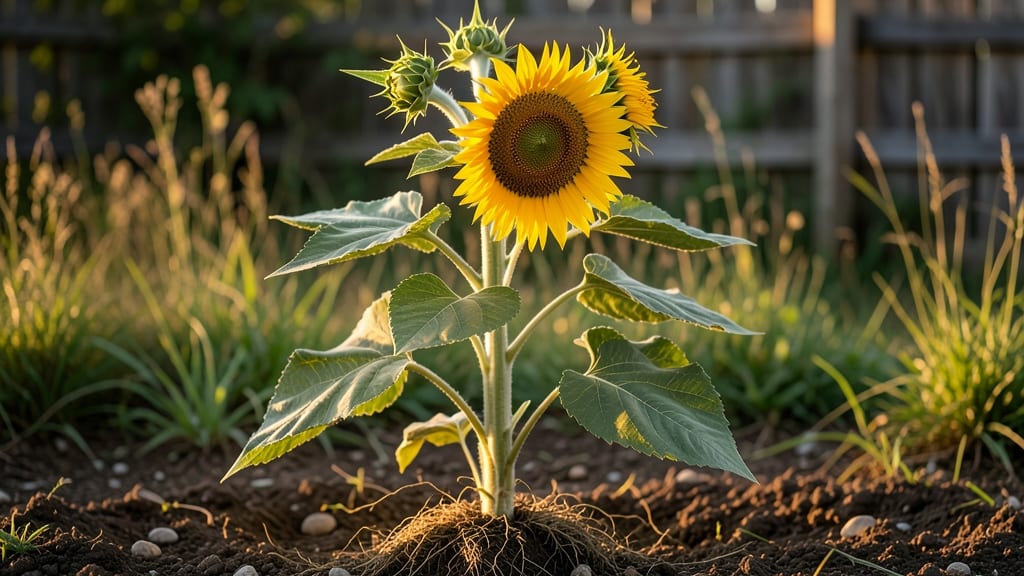
Sunflowers spread aggressively through both roots and seeds, turning a single plant into a wildflower jungle if you don’t plan ahead.
Picture this: You plant one towering 🌻 in your backyard, and by summer, you’ve got a sea of them stealing space from your veggies. That’s not just imagination—it’s how sunflowers behave in Zone 6a and warmer climates.
The key to keeping them contained (or letting them take over strategically) lies in understanding their growth habits.
Most varieties send out lateral roots that spread 3 to 6 feet wide, while their deep taproots dive 3 to 5 feet into the soil. Add self-seeding to the mix, and you’ve got a plant that’s equal parts beautiful and invasive.
But don’t worry—with the right spacing, deadheading, and soil prep, you can manage their spread without sacrificing those iconic blooms.
In this guide, I’ll break down how far sunflowers spread, the best spacing to prevent overcrowding, and when to let them go wild (or rein them in). Ready to turn those sunflower giants into a garden asset instead of a headache?
How far do sunflower roots spread: the shocking truth about aggressive growth
Sunflowers may seem like simple, cheerful plants, but their root systems tell a different story. While their towering stems reach for the sky, their roots spread aggressively underground, creating a complex network that can outcompete nearby plants.
The horizontal spread of sunflower roots often surprises gardeners who assume these giants only grow upward. In reality, most sunflower varieties expand 3 to 6 feet outward from the base, with some aggressive types stretching even further.
Understanding this growth pattern is crucial, especially if you're planting sunflowers near vegetable gardens or delicate perennials. Their taproots can plunge 3 to 5 feet deep, while lateral roots fan out to claim space.
Without proper spacing, your sunflowers might start crowding out your tomatoes or peppers before you know it. The key to preventing a sunflower takeover lies in knowing exactly how these roots behave—and planning your garden layout accordingly.
| Root Type | Spread Distance | Depth | Notes |
|---|---|---|---|
| Taproot | N/A (Vertical) | 3-5 feet | Primary water/nutrient source; penetrates deep soil layers |
| Lateral Roots | 3-6 feet (varies by variety) | 0-2 feet deep | Spreads horizontally; competes for space with nearby plants |
| Dwarf Varieties | 2-3 feet | 1.5-3 feet | Smaller root zone; ideal for containers or tight spaces |
| Giant Varieties | 5-8 feet | 4-6 feet | Aggressive spread; requires ample spacing (6+ feet apart) |
The taproot is the star of the show when it comes to vertical growth, diving deep to access water and nutrients. This deep-rooted nature makes sunflowers surprisingly drought-tolerant once established, but it also means they’ll compete fiercely with shallow-rooted plants like lettuce or radishes.
Meanwhile, the lateral roots create a wide canopy underground, which is why you’ll often see sunflowers leaning or falling over when crowded—they’re literally running out of space to spread.
If you're growing giant sunflower varieties, like 'Mammoth' or 'Russian Giant,' be prepared for roots that spread 5 to 8 feet outward. These varieties aren’t just tall—they’re territorial. Planting them too close to your fruit trees or shrubs can lead to nutrient theft, stunting their growth.
Even medium-height varieties, like 'Autumn Beauty' or 'ProCut,' will spread 3 to 5 feet, so don’t assume they’re low-maintenance just because they’re not giants.
One common misconception is that sunflowers only spread through their roots. While their aggressive root systems are a major factor, they also self-seed prolifically. A single sunflower head can drop 1,000+ seeds, which germinate easily in the next growing season.
This dual threat—root spread and seed dispersal—means sunflowers can quickly turn a single plant into a wildflower meadow or, if unwanted, an invasive nuisance in your garden.
To control their spread, start with proper spacing. For dwarf varieties, aim for 12 to 18 inches between plants, while medium varieties need 2 to 3 feet of space. Giant sunflowers should be planted 4 to 6 feet apart to prevent root competition.
If you’re growing sunflowers in containers, choose dwarf varieties and ensure the pot is at least 12 inches deep to accommodate the taproot.
Another effective strategy is mulching. Apply a thick layer of organic mulch, like straw or wood chips, around the base of your sunflowers. This suppresses weed growth and discourages volunteer sunflowers from sprouting nearby.
Mulch also helps retain moisture, reducing the need for deep watering, which can encourage lateral root expansion. Just be sure to keep the mulch 6 inches away from the sunflower stem to prevent rot.
If you notice your sunflowers crowding out other plants, don’t panic—there are ways to reclaim your garden space. Carefully dig up any volunteer seedlings that appear outside your designated sunflower area.
For established plants, you can prune the roots by gently loosening the soil around the base and trimming any lateral roots that encroach on neighboring plants. This method is best done early in the season before the roots become too extensive.
Remember, sunflowers aren’t inherently bad—they’re just enthusiastic growers. With the right spacing and a little foresight, you can enjoy their vibrant blooms and edible seeds without turning your garden into a sunflower monoculture.
The key is to respect their growth habits and plan your garden layout accordingly. After all, a
Sunflower spacing guide: how to prevent overcrowding in your garden
Sunflowers may look like they’re happy to grow anywhere, but their roots tell a different story. Most varieties spread aggressively—both horizontally through lateral roots and vertically with deep taproots. Dwarf varieties can spread 2-3 feet outward, while giant sunflowers may extend their roots 5-6 feet or more.
Without proper spacing, your garden will quickly resemble a sunflower forest, competing for nutrients and sunlight.
To avoid overcrowding, start by matching your sunflower variety to your garden’s available space. Dwarf varieties like 'Teddy Bear' (1-2 feet tall) thrive in containers or small plots, while standard varieties like 'Mammoth' (10+ feet tall) need room to stretch their roots. Soil type also plays a role—loamy soil allows roots to spread more easily than dense clay, which can restrict growth but may require deeper planting.
🌱 Comparison Table: Sunflower Spacing by Variety & Climate
For companion planting, pair sunflowers with shallow-rooted plants like beans, lettuce, or radishes. These companions thrive in the sunflower’s partial shade while their roots don’t compete for space. Avoid planting sunflowers near tomatoes or corn, as they’ll vie for the same nutrients and stunt each other’s growth.
If you’re growing sunflowers in rows, space them 18-24 inches apart for medium varieties and 36+ inches for giants.
To control spread in subsequent years, deadhead spent blooms before seeds form to prevent self-seeding. If volunteers pop up in unwanted areas, hand-pull them early before roots establish.
For container gardening, use large pots (15+ gallons) with drainage holes and plant just one dwarf sunflower per container to avoid root-binding. Mulch around the base with straw or wood chips to suppress weeds and retain moisture without encouraging lateral root expansion.
Remember, sunflowers love space—both above and below ground. By following these spacing guidelines, you’ll enjoy bigger blooms, healthier plants, and a garden that stays aesthetically balanced without turning into a sunflower jungle.
With the right spacing, your sunflowers will shine as the stars of your garden without overshadowing everything else! 🌻