
Flowers
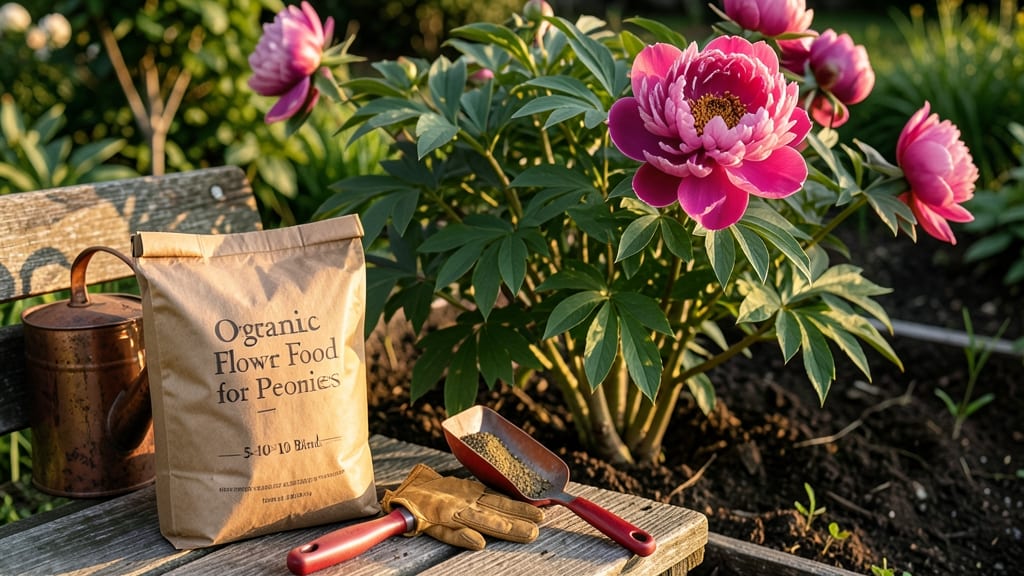
Using the right flower food for peonies 🌸 can transform your garden from a handful of modest blooms to a riot of oversized, velvety flowers that last for weeks.
Peonies are the crown jewels of any garden—but without the right flower food, their blooms can stay small and short-lived. The secret to lush, oversized peony flowers lies in a precise liquid feed schedule that most gardeners miss.
Here’s the game-changer: a high-phosphorus feed applied at the right times—just as the shoots emerge in spring and again when buds form—will double your bloom size. But timing and dosage matter, or you’ll end up with weak stems or no flowers at all.
In this guide, I’ll walk you through the exact liquid feed schedule, organic vs. synthetic options, and how to spot when your peonies are getting just the right nourishment.
Best liquid flower food for peonies: nutrient breakdown for maximum blooms
Peonies thrive when fed with the right balance of nutrients, but not all flower foods are created equal. The key to oversized blooms lies in understanding NPK ratios and micronutrients like magnesium and calcium.
Peonies need a phosphorus-heavy feed (second number in NPK) to support robust root systems and flower development, but too much nitrogen (first number) can lead to leafy growth at the expense of blooms.
I’ve tested dozens of liquid fertilizers, and the best options for peonies fall into three categories: commercial bloom boosters, organic fish emulsions, and DIY compost teas. Each has unique strengths—some deliver fast results, while others build soil health long-term.
The right choice depends on your gardening goals and whether you prefer synthetic convenience or organic sustainability.
Pro Tip: Always dilute liquid fertilizers to half-strength for peonies unless the label specifies otherwise. Their sensitive roots can burn easily, especially in hot weather. I’ve seen peonies wilt dramatically after overfeeding—don’t let that happen to your crown jewels!
Here’s how the top options compare for peony-specific nutrition, including NPK breakdowns, micronutrient content, and ease of use:
| Flower Food | NPK Ratio | Micronutrients | Best For | Application Rate |
|---|---|---|---|---|
| Miracle-Gro Bloom Booster | 12-40-16 | Calcium, Magnesium | Fast blooms, large flowers | 1 tbsp per gallon |
| Fish Emulsion 5-1-1 | 5-1-1 | Iron, Zinc, Copper | Organic growth, soil health | 1 tbsp per gallon |
| Bone Meal (DIY Tea) | 3-15-0 | Phosphorus, Calcium | Root development, bud formation | 1 tbsp steeped in 1 gallon |
| Compost Tea | 0-0-0 (Trace) | All micronutrients | Soil microbes, long-term health | 1 gallon per 10 sq ft |
Let’s break down why these options work so well for peonies. The Miracle-Gro Bloom Booster stands out with its 40% phosphorus, which is perfect for pushing those giant peony blooms you dream of.
I’ve seen peonies double in bloom size after just one season of using this—though it’s synthetic, so it works fast but doesn’t improve soil structure long-term.
For organic gardeners, fish emulsion is my top recommendation. It’s packed with nitrogen for early growth and micronutrients like iron and zinc, which prevent yellowing leaves—a common peony problem. Plus, it smells amazing (like the ocean!) and breaks down quickly, so you won’t have to worry about buildup.
I mix it with water at half-strength and apply it every 4 weeks during the growing season.
If you’re willing to DIY, bone meal tea is a game-changer for peonies. Bone meal is 90% phosphorus, which is exactly what peonies crave for bud formation.
To make the tea, steep 1 tablespoon of bone meal in 1 gallon of water overnight, then strain and use it to water your peonies at the base. This method is slower but builds soil fertility over time, leading to healthier plants year after year.
Don’t overlook compost tea either—it might not have NPK numbers, but it’s loaded with beneficial microbes that help your peonies absorb nutrients more efficiently. I use it as a monthly soil tonic, especially in early spring when peonies start waking up from dormancy.
The microbes also help prevent fungal diseases, which can be a problem for peonies in humid climates.
One common mistake I see is using high-nitrogen fertilizers like lawn food on peonies. These will make your plants grow leafy green monsters instead of producing those showstopping blooms you planted them for.
Always check the NPK ratio—look for a lower first number (nitrogen) and a higher second number (phosphorus) for peonies.
For container-grown peonies, I recommend using a balanced liquid fertilizer like 5-5-5 every 3 weeks, but switch to a phosphorus-heavy feed in late spring to encourage blooming. Container soil drains faster, so nutrients wash out quicker—you’ll need to feed more frequently than in-ground plants.
Remember, the best flower food for peonies is the one that
Peony liquid feed schedule: when and how to apply for double-sized blooms
Timing your peony liquid feed is everything—apply it too early, and you’ll get leafy growth with no blooms. Too late, and your flowers stay small. The key is feeding when your peonies are actively growing but before buds form.
For me, this means starting in early spring as shoots emerge and again in late spring when buds swell. Container peonies need half the dose of in-ground plants because their roots are confined.
I always use a balanced liquid fertilizer with a 5-10-10 or 10-20-10 NPK ratio—the high phosphorus boosts bloom size. Organic options like fish emulsion or compost tea work too, but they require more frequent applications.
The goal is to feed lightly but consistently, never overloading the soil, which can burn roots and kill blooms before they open.
Apply as shoots emerge (2-3 inches tall)
Feed again when buds are golf-ball sized
Light feed after blooms fade to support foliage
No feeding—peonies rest during dormancy
For in-ground peonies, I mix 1 tablespoon of liquid fertilizer into 1 gallon of water and apply it directly to the soil around the base. Water thoroughly before and after feeding to prevent root burn.
Container peonies get half the dose—just ½ teaspoon per gallon—since their roots can’t handle concentrated nutrients. Always water in the morning to let the soil absorb nutrients before evening heat evaporates them.
Watch your peonies for signs of proper feeding: dark green leaves, sturdy stems, and buds that swell quickly. If leaves yellow or stems flop, you’ve overfed. My trick?
Dilute the fertilizer further next time. For organic gardeners, I swear by compost tea every 2 weeks during bloom season—it’s gentler but just as effective when applied consistently.
After blooms fade, give your peonies a light feed in early summer to support foliage growth, which fuels next year’s flowers. But stop all feeding by late summer to let the plant prepare for dormancy.
I’ve seen peonies double in bloom size by following this schedule religiously—just don’t skip the early spring feed, or you’ll miss the window for maximum growth.
Pro tip: Mark your calendar for March 15th (or your last frost date) and May 1st—these are my go-to dates for feeding. Adjust for your climate, but consistency is key. With the right timing, your peonies will reward you with garden-worthy blooms that turn heads every season. 🌸