
Plants
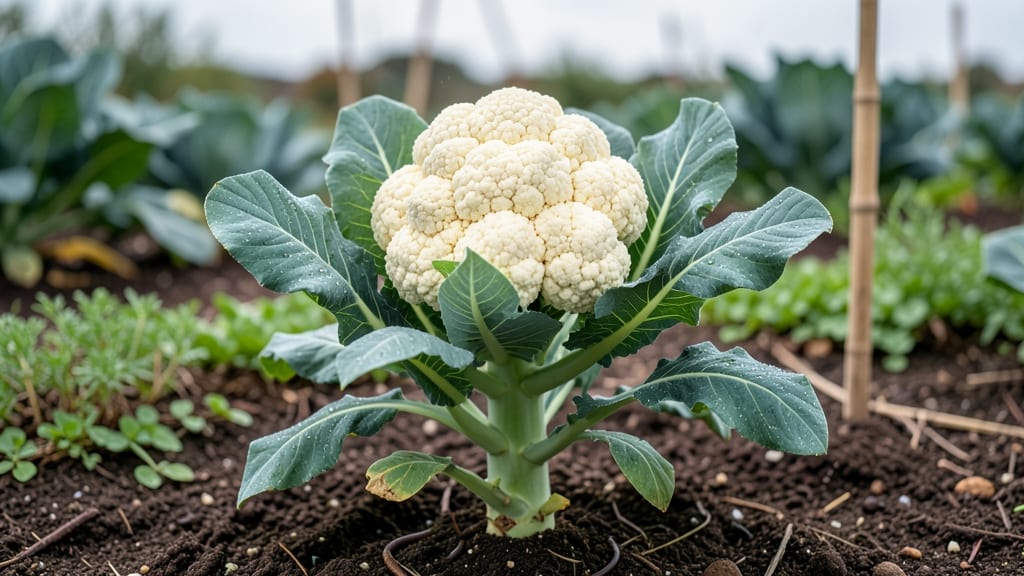
Cauliflower plants grow between 18 and 36 inches tall, depending on the variety and growing conditions, so knowing the height helps you plan your garden layout and care routine.
Picture this: You’ve just planted your spring cauliflower 🥬, only to realize the towering varieties need more space than you thought—or worse, your compact picks are struggling to reach their full potential.
The right height range isn’t just about aesthetics; it directly impacts spacing, sunlight exposure, and even whether your harvest will thrive.
Some varieties, like Romanesco, can reach nearly 3 feet tall, while dwarf types stay under 12 inches. That means the difference between a crowded garden and one with room to breathe—and between a bountiful harvest and a disappointing one.
Below, I’ll break down how to choose the right size for your space and how to support them for maximum yield.
You’ll also learn how to adjust spacing, when to stake your plants, and which varieties perform best in your climate. By the end, you’ll know exactly how much room to leave between your cauliflower rows and how to keep them growing strong from planting to harvest.


Cauliflower plant height by variety: compact vs. tall types
Choosing the right cauliflower variety isn’t just about flavor—it’s about garden space and plant care. Some varieties stay under 12 inches while others tower over 2 feet, dramatically changing how you plan your garden layout.
The height of your cauliflower directly impacts plant spacing, sunlight exposure, and even whether you’ll need support structures like cages or stakes.
Taller varieties often produce larger heads but require more space, while compact varieties are perfect for container gardening or small plots. Understanding these differences helps you avoid overcrowding, which can lead to poor air circulation and disease risks.
Let’s break down the height ranges of popular cauliflower types so you can make the best choice for your garden.
Dwarf varieties like Purple of Sicily and Graffiti are ideal for container gardening or small urban plots. Their compact stature makes them perfect for balcony gardens or window boxes, where space is limited.
These varieties typically reach 12 inches or less at maturity, making them low-maintenance choices for beginners.
Standard-height varieties, such as Snowball Y Improved and Violetto, strike a balance between space efficiency and head size. They grow 12–18 inches tall, which is manageable in most garden beds.
These varieties thrive in cool climates and benefit from moderate spacing—typically 18–24 inches apart—to ensure proper air circulation and sunlight exposure.
Taller varieties like Romanesco and Cheddar can reach 2 feet or more, making them better suited for spacious gardens or trellised growing. Their height allows for larger heads, but they require more space between plants—24–36 inches apart—to prevent shading and competition.
If you’re growing these in a small garden, consider vertical trellising to save space.
Height also plays a crucial role in sunlight exposure. Taller varieties may need additional support to keep their heads elevated, ensuring they receive adequate sunlight for optimal growth.
In shady gardens, shorter varieties like Graffiti or Purple of Sicily may perform better because they’re less likely to be shaded by taller plants or structures.
For container gardening, prioritize dwarf or semi-dwarf varieties. A 5-gallon pot can comfortably accommodate Purple of Sicily, while larger containers (at least 12 inches deep) work well for Snowball Y Improved.
Always ensure your container has drainage holes to prevent root rot, a common issue with cauliflower.
If you’re growing cauliflower in rows, taller varieties should be planted in the north or east side of your bed to avoid shading shorter plants. This simple adjustment can maximize sunlight exposure for all your plants.
For trellised growing, use sturdy stakes or cages to support tall varieties like Romanesco, which can become top-heavy as the heads develop.
Remember, height isn’t the
How cauliflower height affects your garden layout and care
When planning your garden, cauliflower height isn’t just a detail—it’s a game-changer for spacing, sunlight access, and even harvest success. Taller varieties like Romanesco can reach 3 feet, while dwarf types stay under 12 inches.
This difference directly impacts where you plant them and how much room they need to thrive.
Short varieties like Purple of Sicily work perfectly in containers or tight garden beds, but taller types need 18-24 inches of space to avoid competition. Ignoring height can lead to overcrowding, stunted growth, or even failed harvests due to poor air circulation.
⚠️ CALLOUT WARNING ⚠️
Tall cauliflower varieties (2+ feet) need 18-24 inches between plants to prevent shading and disease. Dwarf types (12 inches) can be planted 12-16 inches apart. Overcrowding leads to blight risk and smaller heads—don’t skip spacing!
For tall varieties, consider trellising or staking to save space and improve air flow. Use bamboo stakes or cattle panels to support plants like Graffiti or Cheesehead, which can top 30 inches. This technique also makes harvesting easier and reduces breakage.
In limited spaces, opt for dwarf varieties like Snowball Y Improved or Miniature Romanesco. These stay under 12 inches and thrive in containers or raised beds. Just ensure they get 6+ hours of sun—height isn’t the only factor for success!
Another pro tip: Succession planting works best with shorter varieties. Plant them in staggered rows every 2-3 weeks to maximize your harvest window. Taller types, however, benefit from single-row planting to avoid shading younger plants.
Finally, always check your local climate. Tall varieties may bolt faster in hot regions, while shorter types handle heat better. Adjust your layout based on microclimates—for example, taller plants near fences or trellises can shield shorter varieties from harsh afternoon sun.