
Trees
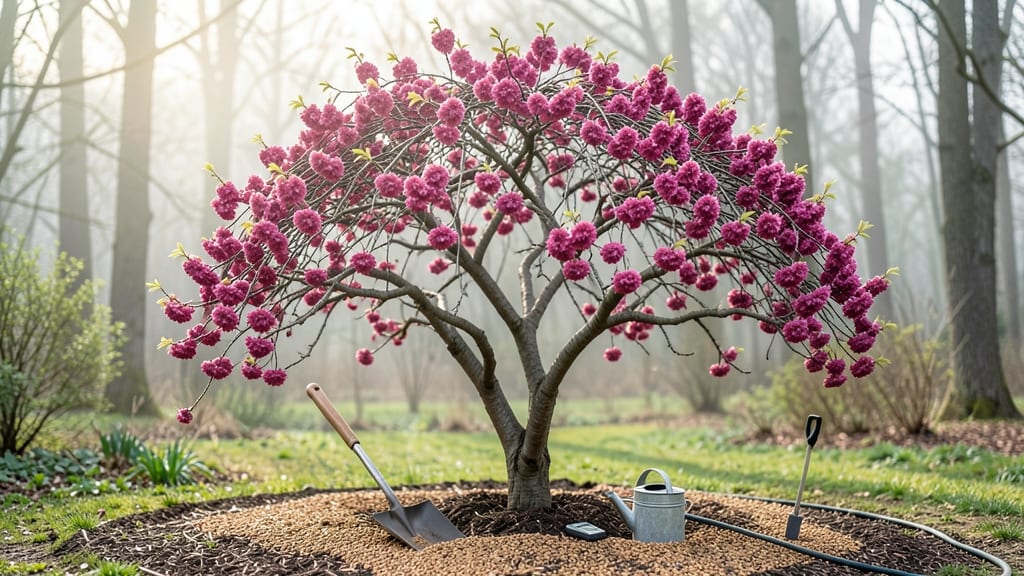
The right flowering cherry tree fertilizer is the game-changer for those breathtaking spring blooms you’ve been waiting for.
Picture this: You’ve waited all winter for those delicate pink or white blossoms to appear, only to find your tree’s growth stunted or leaves turning yellow.
That’s often a sign your fertilizer isn’t matching what this finicky tree truly needs—something gentle yet potent enough to fuel both roots and flowers without burning them.
Most gardeners reach for generic fertilizers, but flowering cherry trees (Prunus serrulata) thrive only when their soil stays in the acidic range (pH 5.0–6.5). The wrong mix can actually suffocate your tree’s roots, leaving you with fewer blooms and weaker branches.
Below, I’ll walk you through the best organic and synthetic options, when to apply them, and how to avoid the costly mistakes that turn your tree into a sad, scraggly shadow of its potential.
By the end, you’ll know exactly how to feed your tree for vibrant blooms year after year—without overdoing it. Let’s get those roots happy so your cherry tree can put on a show that steals the neighborhood’s attention.
Best acid-loving fertilizers for flowering cherry trees: organic vs synthetic options
Flowering cherry trees (Prunus serrulata) thrive when their soil stays in the acidic range (pH 5.0–6.5). Using the wrong fertilizer can raise pH too high, causing yellow leaves, poor blooms, or even tree death.
The key is selecting an acid-loving blend that matches your gardening style—whether you prefer organic slow-release options or synthetic fast-acting formulas. Let’s break down the best choices and why they work.
Generic fertilizers with high nitrogen (like 20-10-10 blends) often fail because they’re alkaline-forming and push soil pH upward. Instead, look for products labeled "acid-loving" or "for azaleas/rhododendrons"—these trees share similar soil needs.
The right fertilizer boosts root development, vibrant blooms, and disease resistance, while the wrong one can stress your tree during its critical spring flowering phase.
Before choosing, test your soil’s pH with a home test kit ($10–$20) or send a sample to your local Cooperative Extension Service. If your pH is above 6.5, you’ll need to amend soil with sulfur or peat moss before fertilizing.
For established trees, focus on fertilizers that lower pH gradually while providing balanced nutrition.
Now, let’s compare the top organic vs. synthetic options tailored for flowering cherries. Each has unique benefits—organics build soil health long-term, while synthetics deliver quick nutrient spikes. Here’s how they stack up:
| Fertilizer Type | NPK Ratio | pH Impact | Bloom Boost | Application Rate | Best For |
|---|---|---|---|---|---|
| Cottonseed Meal | 12-0-0 | Lowers pH (acidifying) | Moderate (slow-release N) | 1–2 lbs per 100 sq ft (spring/fall) | Organic gardeners, long-term soil health |
| Blood Meal | 12-0-0 | Slightly acidic | High (quick N spike) | ½ cup per tree (early spring) | Fast greening, young trees |
| Fish Emulsion | 5-1-1 | Neutral (safe for acid soil) | Moderate (balanced nutrients) | 1 tbsp per gallon of water (monthly) | Liquid feeders, established trees |
| Synthetic Acid-Forming Blend (e.g., Miracle-Gro Azalea/Camellia) | 12-4-8 + sulfur | Lowers pH (contains sulfur) | High (optimized for blooms) | 2 tbsp per sq ft (every 6 weeks) | Quick results, urban gardens |
| Peat Moss + Compost | N/A (organic matter) | Lowers pH over time | Long-term (improves soil structure) | 2–3 inches mixed into soil (fall) | Organic gardeners, new plantings |
Cottonseed meal is my top organic pick for flowering cherries because it’s high in nitrogen (12-0-0) and slowly acidifies soil as it breaks down. Sprinkle it around the drip line in early spring, then water it in. For a fast bloom boost, pair it with fish emulsion—the liquid form lets you adjust strength and delivers micronutrients like iron and magnesium, which prevent chlorosis (yellowing leaves).
Synthetic options like Miracle-Gro Azalea/Camellia are designed specifically for acid-loving plants and include sulfur to lower pH. These are ideal if you want immediate results, but they require more frequent applications (every 6–8 weeks) and can burn roots if overused.
Always follow the label’s dosage—half the recommended amount is often safer for mature trees.
One mistake I see often is using lime or garden lime to "fix" soil. These raise pH and are toxic to flowering cherries. Instead, use elemental sulfur (½ cup per tree) or pine needles as mulch to maintain acidity naturally.
Test your soil again in 6 months to monitor pH changes.
For young trees (under 3 years old), focus on root development with a low-phosphorus fertilizer
Step-by-step guide: how and when to fertilize for maximum blooms
Timing and technique make all the difference when fertilizing your flowering cherry tree. Unlike many trees, these beauties thrive on a seasonal schedule that mirrors their natural growth cycles.
Applying fertilizer at the wrong time can weaken roots or even trigger nutrient burn, so let’s break down the perfect routine for vibrant blooms and lush foliage.
Start with a soil test to confirm your tree’s pH is between 5.0–6.5. Flowering cherries are acid-loving plants, and alkaline soil will lock out essential nutrients. If your test shows higher pH, amend with sulfur or peat moss before fertilizing.
Once your soil is ready, follow this step-by-step guide to feed your tree without overdoing it.
🌱 Step-by-Step Fertilization Schedule
- 1 Early Spring (March–April): Apply a balanced acid-forming fertilizer (10-10-10 or 8-3-9) when buds swell but before leaves emerge. Use ½ cup per inch of trunk diameter (e.g., 1 cup for a 2-inch trunk). Water deeply afterward to activate roots.
- 2 Post-Bloom (June): Switch to a low-nitrogen, high-phosphorus fertilizer (e.g., 5-10-10) to encourage flower bud formation for next year. Apply ¼ the early spring dose and water thoroughly. Avoid granular fertilizers if rain is forecasted to prevent runoff.
- 3 Late Summer (August): Use a liquid seaweed or fish emulsion (2-3-1 NPK) to boost root health and stress resistance. Dilute to half-strength and apply every 4–6 weeks until mid-September. This supports foliage recovery after blooming.
- 4 Fall & Winter (October–February): Skip fertilization entirely. Your tree enters dormancy, and feeding now can trigger late-season growth, which weakens wood and invites winter damage. Focus on mulching (2–3 inches of organic mulch) to protect roots.
Watch for warning signs like yellowing leaves (nitrogen deficiency) or stunted blooms (phosphorus shortage). If you spot these, adjust your fertilizer blend: add blood meal for nitrogen or bone meal for phosphorus. Always water before and after applying granular fertilizer to prevent root burn.
For young trees (3 years old), reduce doses by half to avoid overwhelming their delicate root systems. Mature trees (over 10 feet tall) may need up to 2 cups of fertilizer, split into two applications.
Remember, less is more—over-fertilizing causes salt buildup in soil, which harms microbes essential for nutrient uptake.
Pro tip: Pair fertilization with deep watering (5–10 gallons per tree) to help nutrients penetrate the root zone. Avoid fertilizing during drought stress or extreme heat, as your tree won’t absorb nutrients efficiently. With this schedule, your flowering cherry will reward you with showstopping blooms for decades.