
Blooming
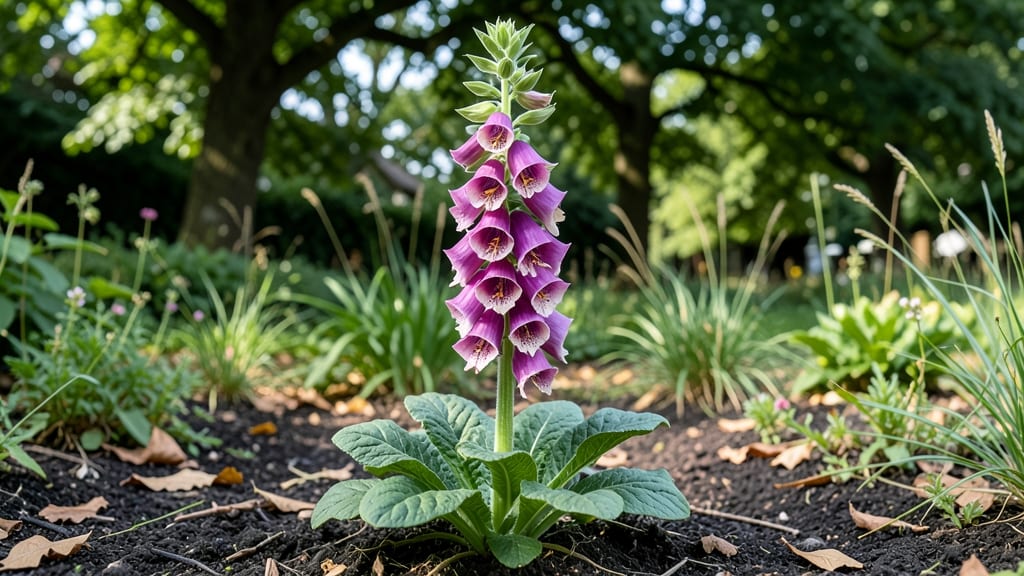
The foxglove flower bloom time is the moment your garden transforms into a fairy-tale scene, with towering spikes of bell-shaped blooms reaching heights of 4 to 6 feet.
If you’ve ever dreamed of towering floral displays that attract hummingbirds and add drama to your garden, foxglove’s bloom time is the secret to timing your planting perfectly—because these striking spikes don’t bloom all at once.
In USDA Zone 6a, where many gardeners live, foxglove typically bursts into color between late May and early July, though cooler climates may push blooms into June or August. Planting in March or April, after the last frost, sets the stage for a showstopping display.
Below, I’ll break down the exact bloom windows by variety, how to coax extra weeks of flowers, and the early signs that tell you your foxglove is about to put on its best show.
Foxglove bloom time by variety: months and height expectations
Timing your foxglove planting is everything if you want those iconic towering flower spikes to grace your garden. Each foxglove variety blooms at slightly different times, with height variations that can reach up to 7 feet.
Whether you're in USDA zone 3 or zone 8, understanding these differences ensures you'll have season-long color from late spring through summer.
Foxglove's bloom time also depends on your regional climate. Cooler northern zones may see earlier blooms, while warmer southern areas might experience delayed flowering.
The key is planting seeds or transplants at the right time—typically 4-6 weeks before your last frost date—to align with each variety's natural flowering cycle.
Here’s a quick reference for the most popular foxglove varieties and their bloom periods, along with their mature heights to help you plan your garden layout:
For gardeners in USDA zone 3, focus on planting Digitalis purpurea or Digitalis obscura in early spring for earlier blooms. These varieties thrive in cooler climates and often flower as early as late May.
In warmer zones (7–8), Digitalis ferruginea or Digitalis ambigua will shine, blooming later into August or September when temperatures remain mild.
Height plays a crucial role in garden design. The tallest varieties, like Digitalis ambigua and Digitalis ferruginea, make stunning backdrop plants for cottage gardens or woodland edges.
Plant them near fences or trellises to create vertical interest. Shorter varieties like Digitalis purpurea work beautifully in border gardens or as cut flowers for bouquets.
Pro tip: If you want to extend foxglove bloom time, deadhead spent flowers regularly. This encourages the plant to produce new blooms instead of focusing energy on seed production. Pairing foxglove with companion plants like columbine or delphinium also creates a longer-lasting display by filling gaps as flowers fade.
One common mistake is assuming all foxglove blooms at the same time. In reality, individual spikes bloom from bottom to top, with lower flowers opening first and upper ones following weeks later. This staggered bloom pattern means you’ll enjoy color for 6–8 weeks per spike if cared for properly.
For hummingbird lovers, foxglove is a must-have. These birds are drawn to the tubular-shaped flowers, especially Digitalis grandiflora with its bright yellow blooms. Plant foxglove near seating areas or pathways to enjoy their daily visits while admiring the towering beauty of your garden.
Ready to plan your foxglove garden? Start by selecting varieties that match your climate zone and desired bloom time. With the right care, you’ll have stunning vertical drama that lasts from late spring through fall.
How to extend foxglove bloom time with deadheading and care
Foxglove’s stunning vertical spikes are a garden showstopper, but their natural bloom time often lasts just 4-6 weeks. The good news? With the right care, you can double or even triple their flowering season.
I’ve found that deadheading, proper watering, and nutrient-rich soil are the secret weapons to keep those bell-shaped blooms appearing all summer.
First, let’s talk about deadheading, the simplest trick to extend foxglove’s bloom time. When you remove spent flowers, you’re telling the plant to redirect its energy into producing new buds instead of seeds.
This method works best with annual varieties, but even biennials like Digitalis purpurea will reward you with a second flush of blooms if done correctly.
Beyond deadheading, soil nutrition plays a crucial role. Foxgloves thrive in well-draining, slightly acidic soil with a pH between 6.0 and 7.0. I recommend amending your garden beds with compost or aged manure before planting.
During the growing season, a balanced fertilizer (5-10-10) applied every 4-6 weeks keeps them robust and encourages continuous flowering.
Watering is another often-overlooked factor. While foxgloves are drought-tolerant once established, they need consistent moisture during their first year and while blooming. Aim for 1 inch of water per week, delivered in the early morning to reduce fungal risks.
Mulching with 2-3 inches of organic mulch helps retain moisture and keeps roots cool.
For a second bloom, try companion planting. Pair foxgloves with low-growing perennials like coral bells (Heuchera) or hostas to create a microclimate that retains moisture. Avoid planting near aggressive spreaders like mint, which can crowd out your foxgloves and reduce their vigor.
Finally, watch for pest pressure. Slugs and snails adore young foxglove foliage, while aphids can stunt blooms. I’ve had success using beer traps for slugs and spraying neem oil for aphids.
A healthy plant with strong stems is less susceptible to damage, so prioritize proper spacing (18-24 inches apart) to ensure good airflow.
With these techniques, you’ll enjoy foxglove blooms from late spring through early fall, turning your garden into a hummingbird magnet. The key is consistency—deadhead regularly, feed the soil, and keep them hydrated without overwatering. Your foxgloves will reward you with season-long drama! 🌸