
Blooming
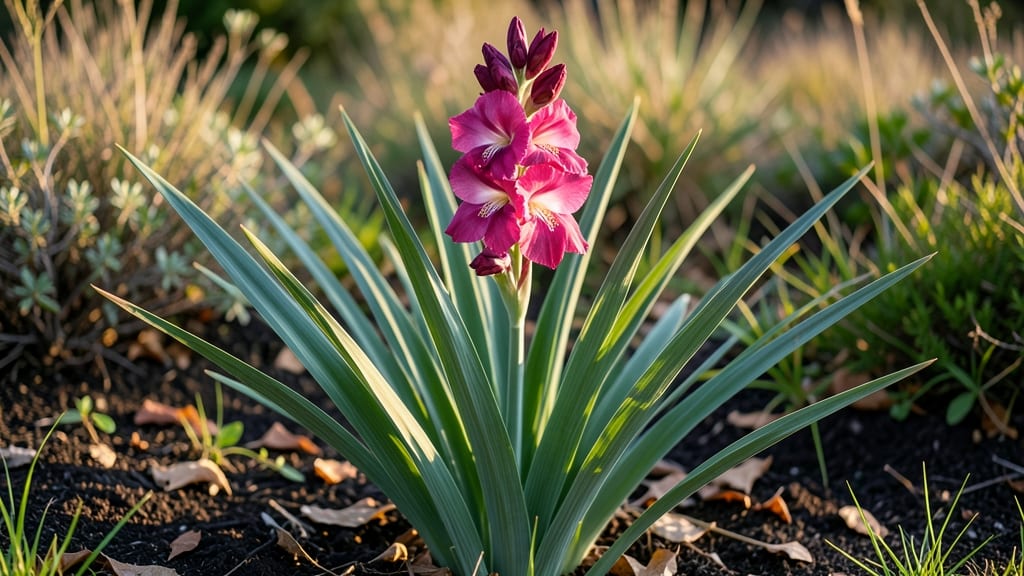
Gladiolus flowering time depends on when you plant and where you live, but with the right timing, you’ll get bold summer blooms that last for weeks.
Want to enjoy vibrant gladiolus blooms at the peak of summer? Timing is everything—and your USDA zone determines when these dramatic flowers will burst into color.
In Zone 6a, where most gardeners grow them, expect flowers to appear between July and September, but cooler zones may push that back by a month or two.
These aren’t your average annuals—gladiolus corms can return year after year in mild climates, but most gardeners treat them as seasonal perennials. The key to extending their bloom period? Planting in stages, choosing the right varieties, and giving them full sun.
Below, I’ll break down the exact months for your zone, how to tweak planting for longer blooms, and the three biggest mistakes that delay flowers—so you can enjoy a garden full of 🌸 drama all season long.
Gladiolus flowering time by USDA zone: exact months for each region
Gladiolus flowers are summer's showstoppers, but their blooming timeline shifts dramatically depending on your USDA zone. In cooler northern zones, you'll see spikes of color in early to mid-summer, while southern gardeners enjoy late-summer blooms.
The key to timely flowering lies in understanding your local frost dates and planting windows.
These striking sword-lily flowers thrive as seasonal perennials in warmer climates but are often grown as annuals in colder regions. Their corm-based growth means you can control bloom timing through careful planting schedules. Let's break down exactly when to expect those dramatic spike-shaped blooms in each zone.
🌸 Gladiolus Flowering Timeline by USDA Zone
In USDA zones 3-4, where winters are harsh, gladiolus corms need to be planted 4-6 weeks before your last frost date—typically late April to early May. These northern gardens enjoy their peak blooms from mid-July to early August, just in time for summer's height.
The 90-100 day growth cycle means you'll need to start corms indoors if your season is particularly short.
Gardeners in zones 5-6 have more flexibility with their planting window from mid-April to mid-May. This extended window allows for staggered planting—planting new corms every 4-6 weeks—to create a continuous bloom display from late June through mid-August.
The 90-110 day maturation gives you extra time to experiment with different varieties and colors.
Warmer climates like zones 7-8 offer the longest bloom periods, with flowers appearing as early as May and lasting through September. The 80-100 day growth cycle means you can even plant a fall crop for winter blooms in milder microclimates.
This is also where heat-tolerant varieties like 'Green Star' or 'White Prosperity' truly shine.
Southern gardeners in zones 9-10 can plant gladiolus year-round, though the ideal window is January-February for spring blooms. The 70-90 day cycle means you'll see flowers as early as March, with potential for continuous blooms through October.
However, summer heat can stress plants, so provide afternoon shade and consistent moisture.
In USDA zone 11, gladiolus behave almost like perennials, with blooms possible from November through May. The 60-80 day growth cycle allows for year-round planting, though September-October is ideal for winter color.
These tropical conditions also mean you can grow taller varieties like 'Black Star' that might struggle in cooler climates.
To maximize your gladiolus blooming season, consider planting different varieties with varying bloom times. Early bloomers like 'Picasso' (red) will open in 70-80 days, while late varieties like 'Swan Lake' (white) take 100-120 days.
This strategic variety selection can extend your display by 6-8 weeks or more.
Remember that soil temperature plays a crucial role—gladiolus corms won't sprout until soil reaches 60°F (15°C). In cooler zones, use black plastic mulch or plant in warm microclimates like near south-facing walls to accelerate growth. With the right timing, you'll enjoy
How to extend gladiolus blooming season with smart planting strategies
Gladiolus typically bloom for just 2-3 weeks per planting, but with the right techniques, you can stretch that into months of color. The key lies in succession planting and strategic corm selection—methods I’ve used to keep my garden bursting with blooms from early summer through fall.
By planting in staggered batches, you create a continuous display that outshines single-season plantings.
First, understand that gladiolus corms need 100-120 days from planting to bloom. This window varies slightly by USDA zone, but the principle remains: plant new batches every 3-4 weeks to maintain fresh flowers.
For example, in Zone 7, start your first batch in early May, then follow with plantings in late May and early June. This ensures blooms appear in June, July, and August.
Plant 3 batches every 3 weeks for continuous blooms. Example: May 1, May 22, June 12.
Select late-season cultivars like 'Green Star' or 'Pink Parfait' for extended blooms in hot climates.
Bury corms 6-8 inches deep in Zones 8-11 to protect roots from extreme heat.
Use low-nitrogen fertilizer (5-10-10) at planting and again when spikes emerge to encourage blooms, not foliage.
Remove spent blooms weekly to redirect energy to new buds and extend the season by 10-15 days.
Apply 2-3 inches of mulch to retain soil moisture and prevent stress during dry spells.
Heat tolerance is another game-changer. In Zones 9-11, where summer temperatures soar, opt for late-blooming varieties that thrive in warmth. I’ve found 'White Friendship' and 'Black Star' hold up exceptionally well, producing vibrant blooms even when other varieties wilt.
For these zones, plant corms 6-8 inches deep to shield them from the intense heat near the soil surface.
Don’t overlook the power of succession planting in cooler zones too. In Zones 3-6, where summers are shorter, plant your final batch no later than mid-July to ensure blooms appear before frost.
Use a cold frame or row cover to extend the season by 2-3 weeks in marginal zones. This simple trick has added an extra month of color to my Zone 5 garden.
Finally, pay attention to watering habits. Gladiolus need consistent moisture but hate soggy soil. Water deeply once a week (twice in extreme heat) and always in the morning to prevent fungal diseases.
I’ve seen blooms last 20% longer when plants receive steady hydration without waterlogging. Pair this with regular deadheading, and you’ll enjoy a garden that stays lively well into autumn.
With these strategies, you can transform gladiolus from a short-lived summer splash into a long-lasting centerpiece. The secret? Planning ahead, choosing the right varieties, and giving your plants the care they need to perform their best.
Your garden will thank you with months of dramatic, eye-catching blooms—not just weeks.