
Flowers
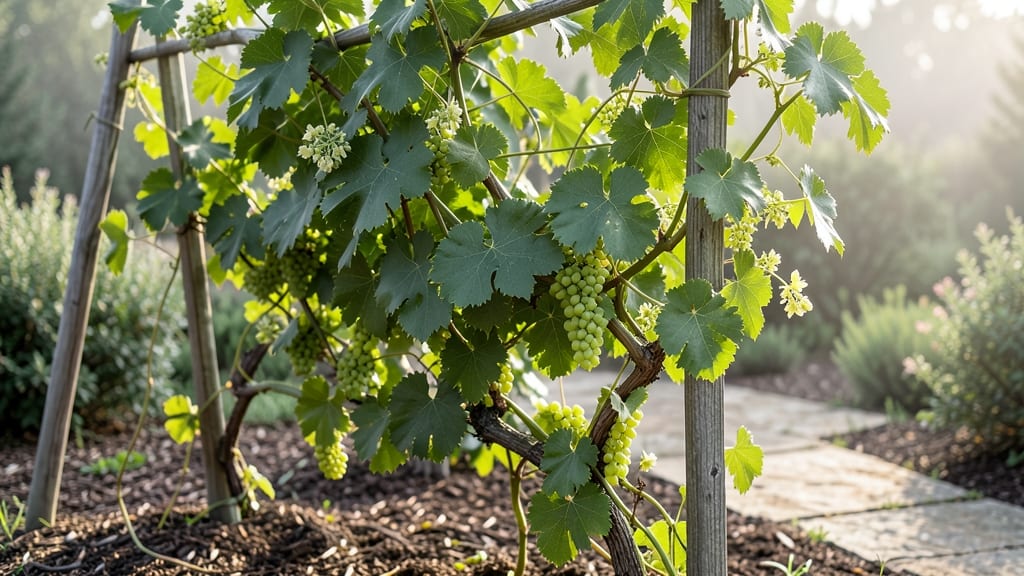
Turning grape flowers into fruit is all about timing, care, and a little help from nature—or your hands.
Ever watched grapevines bloom only to see most flowers drop off, leaving you with a disappointing harvest? The secret to turning those delicate blossoms into juicy, plump grapes lies in understanding the delicate pollination process—and how to optimize it for maximum fruit set.
Grape flowers 🍇 need the right conditions to develop into fruit, whether through wind, bees, or even a gentle nudge from you. Too much heat, too little water, or poor airflow can send those blossoms falling before they have a chance to set fruit.
But with the right techniques—like proper pruning, companion planting, or even hand-pollination—you can dramatically improve your vine’s success rate.
In this guide, I’ll walk you through the science behind grape flower to fruit development, share 5 proven techniques to boost your harvest, and troubleshoot common issues so you can go from frustrated gardener to proud grape grower.
How grape flowers develop into fruit: the pollination process explained
When your grapevine bursts into delicate blossoms each spring, it’s nature’s way of signaling the start of fruit development—but not all flowers will make it to harvest.
Understanding how grape flowers transform into fruit requires peeling back the layers of pollination mechanics, flower anatomy, and environmental triggers that either support or sabotage success.
The journey begins with a single grape flower, which contains both male and female reproductive parts—a trait that makes grapes self-pollinating but often inefficient.
While some varieties can fertilize themselves, most rely on external factors like wind currents, bee activity, or even human intervention to ensure fruit set.
Even then, only about 30-50% of flowers typically develop into grapes, leaving many gardeners puzzled by the mystery of why some clusters thrive while others fail.
| Stage | Process | Success Factors |
|---|---|---|
| Flower Anatomy | Each flower has 5 petals, male stamens, and female pistil with 2 stigmas | Healthy pistil and stamens for self-pollination |
| Pollination Trigger | Wind or bee transfers pollen from stamens to stigmas | 10-25 mph winds or bee activity during 70-85°F |
| Fertilization | Pollen tube grows to ovules, forming seeds | Humidity 50-70% and consistent temps |
| Fruit Set | Ovules develop into berries (grapes) | Sunlight 6+ hours and balanced nutrients |
| Failure Points | Dropped flowers, shatter, or millering | Avoid overwatering and chemical sprays |
The first critical step is recognizing that grape flowers are perfect flowers, meaning they contain both male and female parts. However, their self-pollination efficiency varies by variety. For example, Concord grapes often self-pollinate better than Thompson Seedless, which may require cross-pollination.
The pistil (female part) must receive pollen from the stamens (male part) to trigger fertilization, but this process is highly sensitive to environmental conditions.
Temperature plays a pivotal role in pollination success. Ideal conditions range between 70-85°F, with anything below 55°F or above 90°F disrupting pollen viability and bee activity. Humidity also matters—50-70% relative humidity supports pollen transfer, while extreme dryness or dampness can cause flowers to abort before setting fruit.
Even a light rain during bloom can wash away pollen, reducing fruit set by up to 40%.
Wind speed further complicates the process. Grapes rely on wind pollination when bees are scarce, but gusts over 15 mph can physically damage delicate stigmas, preventing pollen from sticking. This is why sheltered vineyards often see higher fruit set rates.
If you’re growing grapes in an open, windy area, consider installing windbreaks or hand-pollinating to compensate for natural deficiencies.
One of the most frustrating phenomena for grape growers is flower shatter, where blooms drop off before fertilization occurs. This happens when the vine experiences stress—whether from drought, overwatering, nutrient deficiencies, or temperature fluctuations.
For instance, a sudden drop in nighttime temperatures can trigger abscission (flower drop), leaving you with sparse clusters. To mitigate this, maintain consistent moisture and avoid heavy fertilization during bloom.
Another hidden challenge is millering, a condition where grape clusters produce excess male flowers, leading to small, seedless berries or complete fruit failure.
This issue is more common in Thompson Seedless varieties and can be managed by pruning excess male flowers early in the season or applying growth regulators like hydrogen cyanamide to encourage balanced flower development.
Even with perfect conditions, some grape varieties are inherently less fruitful. For example, muscadine grapes often have lower fruit set rates due to their thick, waxy pollen grains, which adhere poorly to stigmas.
If you’re growing these, hand-pollination with a soft paintbrush can boost success rates by up to 60%. Meanwhile, European table grapes like Flame Seedless tend to set fruit more reliably when cross-pollinated with a compatible variety planted nearby.
To maximize your grapevine’s potential, start by selecting high-yielding varieties suited to your climate. Then, monitor pollination windows—typically 7-10 days
5 Proven techniques to boost grape flower to fruit conversion
Grapevines often produce stunning blooms only to disappoint with poor fruit set. The key to transforming those delicate grape flowers into plump grapes lies in optimizing pollination. Whether your vines rely on bees, wind, or your own intervention, these 5 proven techniques will dramatically improve your harvest potential.
First, understand that grape flowers are highly sensitive to environmental conditions. Too much heat, humidity, or poor airflow can cause blossoms to drop before setting fruit. By implementing these strategies—from hand-pollination to companion planting—you’ll create the ideal conditions for successful fruit development.
- Hand-Pollinate on calm days using a soft brush to transfer pollen between flowers. Focus on morning hours when flowers are fresh.
- Plant bee-attracting companions like lavender or borage near your vines to boost natural pollination rates.
- Prune strategically to improve airflow—remove crowded canes and thin foliage to prevent fungal issues.
- Apply organic sprays like neem oil or garlic tea to deter pests that damage flowers before they set fruit.
- Maintain consistent moisture by watering deeply in the morning to support flower development without stress.
Let’s start with hand-pollination, which is especially useful in areas with low bee activity or during rainy seasons. Simply use a soft paintbrush to gently transfer pollen from one flower to another.
This mimics how bees naturally pollinate grapes, ensuring that each flower has the best chance to develop into fruit.
Next, companion planting with pollinator-friendly plants like marigolds or clover creates a thriving ecosystem. These plants attract bees and other beneficial insects, increasing the likelihood of successful pollination. Place them within 10 feet of your grapevines for maximum effect.
Don’t overlook the importance of pruning techniques. Overgrown vines with dense foliage trap moisture, leading to fungal diseases that can kill blossoms. Prune in late winter to open up the canopy, allowing sunlight and airflow to reach the flowers. This simple step can double your fruit set!
Finally, organic sprays play a crucial role in protecting your flowers. Neem oil, for example, deters pests like aphids and spider mites that feed on grape blossoms. Apply sprays in the evening to avoid harming pollinators while keeping your vines healthy.
By combining these techniques, you’ll create an environment where grape flowers thrive and convert into a bountiful harvest. Start with one or two methods this season, and watch your grapevine’s productivity soar! 🍇