
Flowers
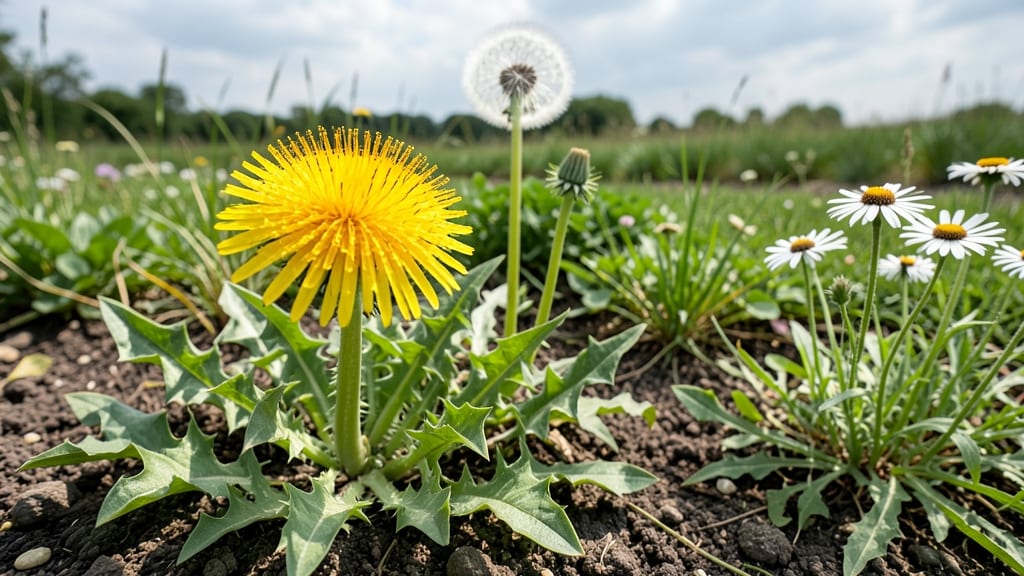
Weeds with yellow flowers spreading as ground cover can turn your garden into an unwelcome patchwork of bright blooms 🌼—but not all of them are as harmless as they look.
Those cheerful yellow blooms might seem pretty, but they’re often stealing nutrients and space from your prized plants. Some, like dandelions, are tenacious self-seeders that pop up even after removal, while others, like creeping buttercup, release chemicals that inhibit nearby plants from growing.
If you’re tired of battling these persistent intruders, you’re in the right place. I’ll walk you through how to identify the most common offenders, natural removal methods that actually work, and long-term strategies to keep them from taking over.
From vinegar solutions to smart planting choices, you’ll discover eco-friendly ways to reclaim your garden without harsh chemicals.
Common ground cover weeds with yellow flowers you need to identify
Identifying yellow-flowered ground cover weeds is the first step to reclaiming your garden. These invasive plants often spread aggressively, smothering your desired plants and disrupting your landscape.
The key to effective removal is knowing exactly what you're dealing with—each weed has unique growth habits and identifying features that set them apart.
From the bright yellow blooms of dandelions to the clover-like appearance of oxalis, these weeds can mimic desirable plants. I'll walk you through the five most problematic offenders, including their distinguishing characteristics, growth patterns, and why they're so difficult to eradicate.
Understanding these weeds helps you choose the right removal method. Some spread through underground runners, while others rely on self-seeding. Recognizing these differences makes your control efforts much more effective.
| Weed Name | Key Features | Growth Habits | Distinguishing Marks |
|---|---|---|---|
| Creeping Buttercup | Bright yellow flowers, lobed leaves | Spreads via runners, toxic to livestock | Orange roots, milky sap when broken |
| Dandelion | Bright yellow flowers, rosette leaves | Deep taproot, prolific seed producer | White milky sap, puffball seed heads |
| Oxalis (Wood Sorrel) | Yellow clover-like flowers, heart-shaped leaves | Forms dense mats, spreads via bulbs | Leaves fold at night, sour taste |
| Wild Mustard | Small yellow flowers, lobed leaves | Fast-growing annual, prolific self-seeder | Pungent smell, hairy stems |
| Clover (White Dutch) | Small white/yellow flowers, trifoliate leaves | Forms dense ground cover, nitrogen-fixing | Round leaflets, white veining |
The creeping buttercup is particularly aggressive because it releases allelopathic chemicals that inhibit other plants. Its bright yellow flowers can fool you into thinking they're harmless, but they'll quickly take over your garden if left unchecked.
Dandelions might seem innocent with their cheerful blooms, but their deep taproots make them extremely difficult to remove completely. One missed root fragment can regrow into a full plant, which is why they're so persistent in lawns and garden beds.
Oxalis, often mistaken for clover, forms dense mats that can smother your lawn or garden. Its heart-shaped leaves and tendency to fold at night make it easy to identify once you know what to look for. The sour taste when chewed is another telltale sign.
Wild mustard grows quickly and produces thousands of seeds, making it a major problem in vegetable gardens. Its hairy stems and pungent odor help distinguish it from other weeds, but its rapid growth means it can outcompete your crops before you notice.
Even clover, which many gardeners might consider beneficial, can become a problem when it spreads uncontrollably. Its nitrogen-fixing abilities make it valuable in some contexts, but its dense growth can choke out other plants when it takes over.
Knowing these distinguishing features will help you create a targeted removal plan. Each weed requires different approaches—some need persistent manual removal, while others respond better to natural herbicides or smothering techniques.
Start by examining the leaves, growth pattern, and root structure of suspicious plants. The more you familiarize yourself with these common offenders, the easier it becomes to spot them early and prevent them from establishing themselves in your garden.
Natural removal methods for yellow-flowered ground cover weeds
Yellow-flowered ground cover weeds like creeping buttercup and dandelions can dominate your garden if left unchecked. The good news? You don’t need harsh chemicals to remove them. These natural methods work just as effectively while keeping your garden eco-friendly and safe for pollinators.
I’ve tested these techniques in my own garden, and they’ve helped me reclaim space without harming surrounding plants. The key is consistency—weeds don’t disappear overnight, but with the right approach, you’ll see progress within 2-4 weeks. Let’s dive into the most effective organic removal strategies.
Step-by-Step Guide to Natural Weed Removal
- Manual Pulling (Best for Small Patches)
Timing: Early morning or late afternoon when soil is moist
Steps: Grasp weed at base, wiggle gently, and pull upward. Use a weed puller for stubborn roots. - Vinegar Solution (For Large Areas)
Timing: Sunny, dry days (avoid windy conditions)
Mix: 1 gallon white vinegar + 1 cup salt + 1 tbsp dish soap. Spray directly on leaves, avoiding desired plants. - Boiling Water Treatment (Spot Removal)
Timing: Warm, sunny days (soil should be dry)
Steps: Pour boiling water directly on weed roots. Repeat weekly for 2-3 weeks for deep-rooted weeds. - Mulching Strategy (Prevents Regrowth)
Timing: After removing weeds (spring or fall)
Use: 3-4 inches of organic mulch (straw, wood chips, or leaves) to block sunlight and smother weeds. - Corn Gluten Meal (Long-Term Prevention)
Timing: Early spring before weeds sprout
Apply: 20 lbs per 1,000 sq ft. Water lightly to activate. Prevents seed germination for up to 6 months.
For deep-rooted weeds like dandelions, combine manual pulling with a follow-up vinegar spray to kill any remaining roots. I’ve found that boiling water works best for cracks in pavement or driveways where weeds pop up unexpectedly.
Mulching isn’t just about removal—it’s a preventative measure. A thick layer of mulch suppresses weed seeds from germinating, saving you time in the long run. Plus, it improves soil health as it breaks down, creating a weed-resistant barrier.
If you’re dealing with a large infestation, rotate methods for best results. For example, pull weeds one week, apply vinegar the next, and mulch afterward. This multi-step approach ensures you’re not just removing existing weeds but also preventing new ones from taking hold.
Remember, patience is key. Weeds like creeping buttercup can regrow from tiny root fragments, so always check the area after removal. With these methods, your garden will be weed-free and thriving in no time! 🌱