
Flowers
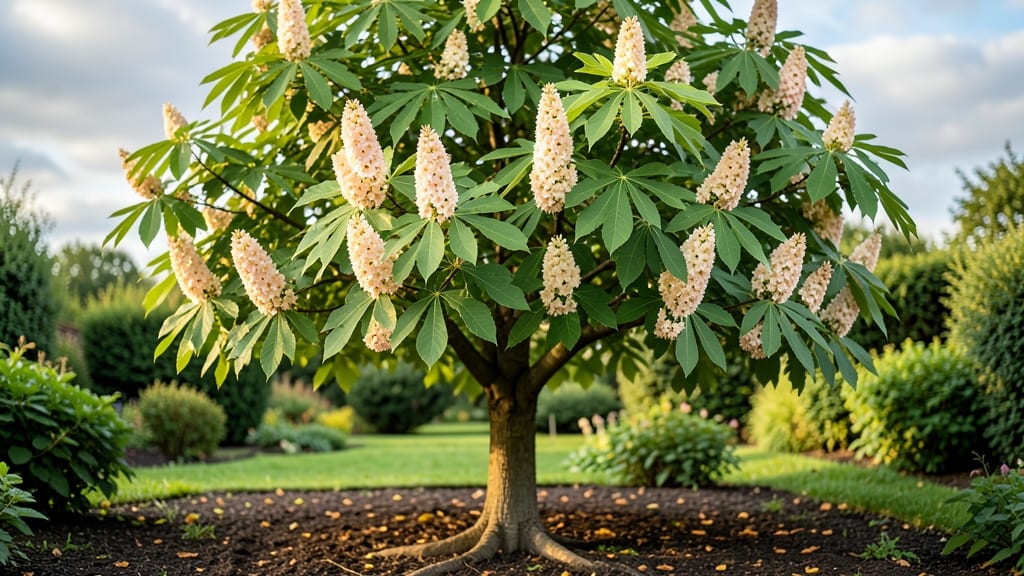
The horse chestnut in flower creates a dazzling springtime centerpiece in any garden 🌳, with its towering spires of creamy-white blossoms that catch every breeze.
Imagine a 30-foot-tall tree suddenly erupting in a cloud of delicate, candle-like flowers—each bloom a tiny lantern signaling the arrival of warmer days. This isn’t just a pretty face; it’s the showstopper that turns ordinary landscapes into postcard-worthy scenes.
But here’s the catch: those iconic blooms demand the right conditions to return year after year. Too much shade? The flowers fade early. Poor soil? They struggle to form at all. Get it right, though, and you’ll have a two-week floral extravaganza that outshines even the most meticulously curated garden.
In this guide, I’ll walk you through the perfect timing for blooms, the care secrets that keep your tree thriving, and how to pair it with other plants for a showcase-worthy display that neighbors will envy.
When and how long horse chestnut trees bloom: seasonal timing guide
The horse chestnut tree (Aesculus hippocastanum) is a garden superstar, known for its spectacular spring blooms that resemble white candles. These flowers typically appear in late spring to early summer, but the exact timing depends on your USDA hardiness zone and local climate.
Understanding these patterns helps you plan your garden for maximum impact and enjoy the show year after year.
In most regions, horse chestnut blooms start in May and peak in June, lasting about 3-4 weeks if conditions are ideal. However, cooler climates may see flowers appear slightly later, while warmer zones could experience an earlier start.
The duration of the bloom also varies—some years, the display might be shorter due to weather fluctuations or tree stress.
🌳
Climate plays a critical role in how long horse chestnut flowers last. Cool springs with moderate temperatures (50-60°F) encourage longer bloom periods, while extreme heat or drought stress can cause buds to drop prematurely.
In my Zone 6 garden, I’ve noticed the blooms last longest when we have a gradual warm-up rather than sudden heatwaves.
To extend the flowering display, focus on consistent moisture during bud formation. Deep watering once a week in spring keeps the tree hydrated without over-saturating the soil.
Avoid heavy pruning in late winter, as this can reduce the tree’s energy for blooming. Instead, prune in early spring to encourage new growth and more flower buds.
💧
Regional variations also affect bloom timing. In northern climates, horse chestnut trees often bloom later due to cooler temperatures, while southern gardens may see earlier blooms but shorter displays.
If you’re in a transition zone, like Zone 7, pay attention to last frost dates—flowers can be damaged by late frosts, so plant in a sheltered location if possible.
For a longer-lasting display, pair your horse chestnut with complementary plants like azaleas or rhododendrons, which bloom earlier and create a sequential color show. I’ve also found that mulching around the base helps retain moisture and keeps roots cool, which indirectly supports longer blooms.
🌷
If your horse chestnut isn’t blooming as expected, check for nutrient deficiencies or pest issues. A balanced 10-10-10 fertilizer applied in early spring can boost flower production. And if you notice aphids or leaf miners, treat them promptly—these pests weaken the tree and reduce blooming potential.
Finally, remember that tree age matters. Younger trees (under 10 years old) may produce fewer flowers, while mature specimens (over 20 years) can create a dramatic floral canopy. With the right care, your horse chestnut will reward you with years of stunning spring blooms.
☀️
Optimal care for prolific horse chestnut flowering: soil, water & pruning secrets
To coax your horse chestnut tree into producing its signature white candle-like blossoms year after year, you need to focus on three critical factors: soil health, precise watering, and strategic pruning.
These elements work together to create the ideal conditions for flower bud formation and vibrant blooms. Let's dive into the science-backed routines that will transform your tree into a floral showstopper.
The secret to prolific flowering starts with understanding your tree's soil preferences. Horse chestnuts thrive in well-draining, slightly acidic soil with a pH between 6.0 and 7.5. If your soil is too alkaline or compacted, the tree will struggle to develop strong root systems needed to support abundant blooms.
I've found that amending clay soils with compost and sand creates the perfect balance for these majestic trees.
- Maintain soil pH 6.0-7.5 with annual lime or sulfur applications
- Water deeply 2-3 times weekly during spring blooming season
- Prune dormant branches in late winter to remove deadwood and crossing limbs
- Apply balanced 10-10-10 fertilizer in early spring before bud break
- Mulch 3-4 inches deep around tree base to retain moisture
When it comes to watering your horse chestnut, consistency is key during the blooming season. Young trees need weekly deep watering to establish strong roots, while mature specimens can tolerate every 10-14 days once established.
The golden rule is to water in the early morning to allow foliage to dry before evening, preventing fungal issues that can stress the tree. I've noticed that trees in container gardens dry out faster and may need daily watering during heatwaves.
Pruning plays a crucial role in encouraging flower production. The best time to prune is late winter or early spring before new growth begins. Focus on removing dead, diseased, or crossing branches first, then thin out the canopy to improve air circulation.
I've found that selective pruning of older wood stimulates new growth where flowers typically form. Avoid heavy pruning during the summer flowering season as this can reduce bloom quantity.
Seasonal maintenance is equally important for long-term flowering success. In early spring, apply a balanced fertilizer to support new growth, while in fall, focus on mulching to protect roots from winter temperature fluctuations.
I've implemented a quarterly soil check routine to monitor pH and nutrient levels, adjusting as needed. This proactive approach has resulted in healthier trees and more abundant blooms each season.
Remember that patience is essential with horse chestnut trees. It can take 5-7 years for a young tree to reach full flowering potential. During this time, consistent care pays off as the tree establishes its root system and develops the energy needed for spectacular displays.
With the right soil conditions, watering routine, and pruning strategy, you'll be rewarded with a showstopping floral spectacle that brightens your garden every spring.