
Blooming
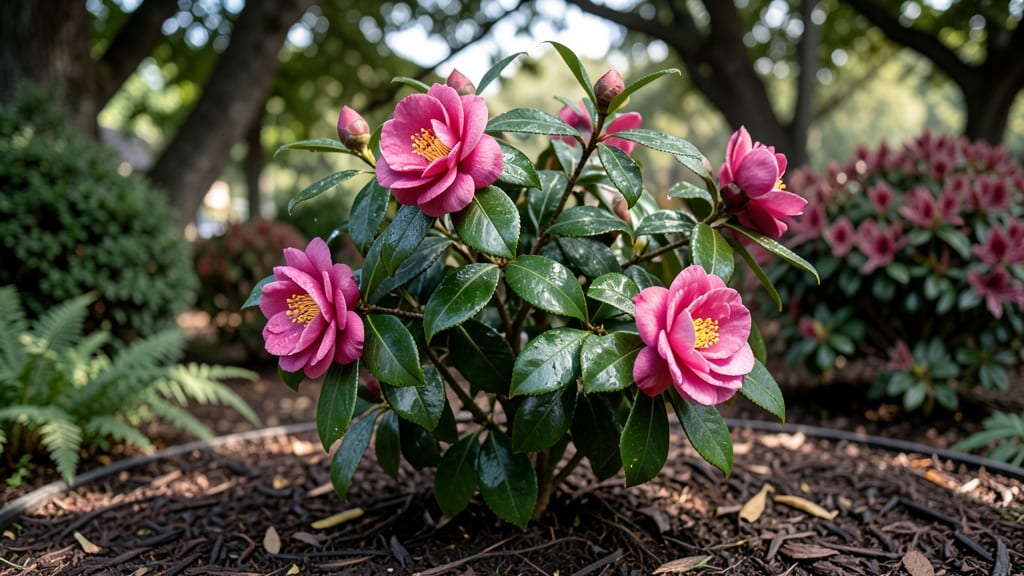
The stunning camellia flower blooming season varies by zone, delivering velvety blooms from late winter through spring 🌸 — and knowing your exact window means never missing the show.
If you’ve ever dreamed of a garden bursting with camellia blooms, timing is everything. These flowers only bloom for a few months each year, and missing their window means waiting another season.
But with the right knowledge, you can plan your garden to showcase camellias at their absolute peak, no matter where you live in USDA Zones 7-10.
Southern gardens often see camellias bloom as early as November, while Pacific Northwest varieties may wait until February or March. The difference comes down to climate, sunlight, and even pruning habits — and I’ll break down exactly how to extend that blooming window naturally.
Inside, you’ll discover the precise months for your zone, how to encourage longer blooms, and the three common mistakes that keep camellias from flowering. Let’s get those 🌸 blooms popping up right on schedule!
Camellia blooming seasons by USDA Hardiness Zones: exact months for peak flowers
Camellias are nature’s masterpiece, but their blooming windows are as precise as a Swiss watch—miss the timing, and you’ll miss the show. The USDA Hardiness Zones 7-10 each have their own peak bloom months, with regional variations that can shift blooms by weeks.
Whether you’re in humid Georgia or the mild Pacific Northwest, knowing these exact windows helps you plan for the most dramatic displays.
Southern gardeners in Zones 8-10 often enjoy two blooming seasons—fall and spring—while cooler Zone 7 gardens may see only one. Even within zones, microclimates (like coastal areas) can push blooms earlier or later.
Let’s break down the exact months for each zone, plus tips to extend your camellia’s show.
In Zone 7, camellias like ‘Yuletide’ bloom late, often waiting until May or June when frost risks fade. These zones benefit from late-winter pruning to encourage earlier blooms.
Meanwhile, Zones 8-10 enjoy longer seasons, with fall blooms starting as early as September in coastal areas like Southern California or Georgia.
If you’re in the Pacific Northwest (Zone 8-9), expect October–December blooms for varieties like ‘Winter’s Star’, while spring bloomers like ‘April Snow’ arrive by February. The key? Microclimates matter—coastal gardens bloom earlier due to milder winters, while inland areas may see delayed starts.
For Zone 10 gardeners, camellias can bloom nearly year-round, especially in tropical microclimates. Varieties like ‘Nuccio’s Gem’ may produce winter flowers (January–March) followed by fall reblooms (August–October). This zone’s extended season makes it ideal for continuous color if you mix early, mid, and late varieties.
To maximize blooms, prune after flowering—never in late winter, as this removes next year’s buds. Also, acidic soil (pH 5.0–6.0) is non-negotiable; camellias refuse to bloom in alkaline conditions. A slow-release acid fertilizer in early spring gives them the nutrients they crave for bud formation.
Regional quirks can shift timelines. For example, Florida
How to extend your camellia blooming season naturally (without chemicals)
Camellias are famous for their lush, long-lasting blooms, but most varieties only show off their beauty for 6-8 weeks per season. The good news? With a few natural gardening tweaks, you can stretch that window by 30-50%—no chemicals required.
The secret lies in understanding their growth cycles and giving them the right conditions to thrive year-round.
Start by focusing on three key areas: soil health, pruning strategies, and consistent care routines. Camellias are acid-loving plants, so even small adjustments—like mulching with pine needles or adjusting watering schedules—can signal your plants to produce more buds.
Let’s dive into the easiest, most effective methods to keep your camellias blooming longer.
🌸 5 Proven Ways to Extend Camellia Blooms
- ✂️ Prune after blooming (May-June) to remove spent flowers and encourage new bud formation.
- 💧 Water deeply 2-3x weekly during bud development (fall/winter) to prevent stress.
- 🌿 Test soil pH (ideal: 5.0-6.0) and amend with sulfur or peat moss if too alkaline.
- 🌱 Plant near azaleas or rhododendrons—they share similar soil needs and extend bloom overlap.
- ☀️ Provide afternoon shade in hot climates to prevent bud drop from heat stress.
One of the biggest mistakes gardeners make is pruning at the wrong time. If you cut back camellias in late winter or early spring, you’ll remove next year’s flower buds, which form on old wood.
Instead, prune right after blooming (May-June) to shape the plant and stimulate new growth for a second flush of buds later in the season.
Soil pH plays a critical role in camellia health. If your soil is too alkaline (above 6.5), your plants may struggle to absorb nutrients, leading to fewer blooms. Test your soil with a home kit or send a sample to your local extension office.
If needed, add elemental sulfur or pine fines to lower the pH gradually over 2-3 months.
Companion planting can also trick your camellias into blooming longer. Pair them with acid-loving plants like hydrangeas, azaleas, or gardenias. These plants create a microclimate that retains moisture and moderates temperature swings, which helps camellias retain buds longer.
Plus, they add visual interest to your garden while your camellias are in their off-season.
Finally, don’t underestimate the power of consistent watering. Camellias need deep, infrequent watering—about 1-2 gallons per plant every 7-10 days—to develop strong roots. Shallow watering encourages weak roots that can’t support heavy blooms.
Water early in the morning to reduce fungal risks and mulch with 3-4 inches of organic mulch to lock in moisture and regulate soil temperature.
With these natural techniques, you’ll enjoy velvety camellia blooms for months instead of weeks, all while keeping your garden chemical-free and thriving. Start with just one or two methods this season, and watch your camellias outperform expectations! 🌿