
How To
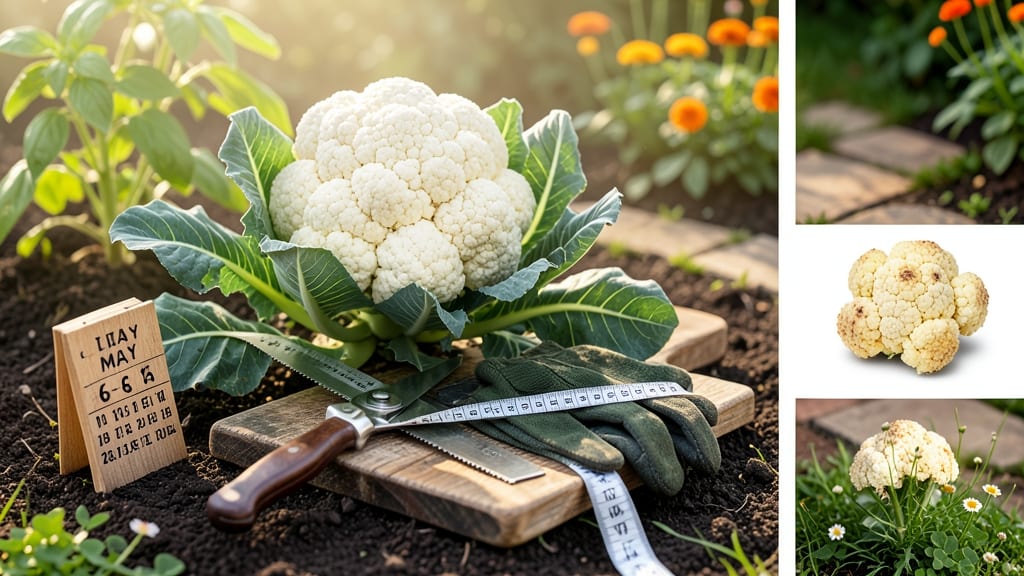
To know when to pick cauliflower 🥬, watch for a firm, compact head that’s fully formed and white at the center—this means peak flavor and texture.
Picking too early leaves you with small, underdeveloped heads, while waiting too long turns them tough and bitter. I’ve learned the hard way that timing is everything, especially when you’ve spent months nurturing your plants.
Beyond size and color, check the leaves surrounding the head—they’ll start yellowing as a sign it’s ready. Ideal weather matters too: harvest on a cool, dry morning to preserve freshness and avoid stressing the plant.
In this guide, I’ll walk you through five key visual cues to spot the perfect moment, plus how to cut the head properly to keep your cauliflower plant producing for weeks.


5 Visual cues to identify perfectly ripe cauliflower heads
Timing your cauliflower harvest is everything—pick too early, and you’ll get small, underdeveloped heads. Wait too long, and those creamy curds turn yellow or woody. The key lies in watching for these 5 visual cues that signal peak ripeness.
I’ve learned from years of trial-and-error gardening that these signs work for both classic white varieties and colorful heirloom types.
Cauliflower heads mature at different rates depending on your climate and variety, but these universal indicators will help you nail the perfect harvest window every time. The earlier you spot these signs, the better your chance of enjoying tender, flavorful curds that rival store-bought quality.
Let’s break down exactly what to look for in your garden.
- 1 Head Color: Fully formed heads should be solid white (or purple/green for heirlooms). Any yellowing or browning means it’s past prime.
- 2 Size Matters: Aim for heads between 6-8 inches in diameter. Smaller heads are underripe; larger ones may be tough.
- 3 Texture Check: Press a curd gently—it should feel firm yet slightly spongy. If it feels hard or crumbly, it’s overripe.
- 4 Leaf Signals: Outer leaves should start yellowing or dying back around the head. Healthy green leaves mean it’s not ready yet.
- 5 Stem Test: Gently twist the stem—it should snap cleanly near the base. Resistance means it’s not ready; easy separation confirms ripeness.
One of my biggest mistakes early on was ignoring the leaf signals and harvesting based solely on head size. I’d end up with heads that were big but still loose and underdeveloped inside. The yellowing leaves are nature’s way of telling you it’s time—don’t skip this cue!
For heirloom varieties like Purple of Sicily, the color change is even more dramatic, making these cues even easier to spot.
Pro tip: Check your cauliflower heads in the morning when temperatures are cooler. This is when the curds are at their firmest, making it easier to assess ripeness accurately.
I’ve found that harvesting early in the day also helps preserve freshness if you’re planning to store or cook the same day.
Don’t overlook the weather conditions either. If you’re in a hot climate, cauliflower may mature faster—sometimes in as few as 60 days—while cooler regions might take closer to 90 days.
Adjust your expectations based on your local growing season. For example, my Romanesco variety in Zone 6a always ripens about two weeks earlier than the standard white types.
Once you’ve confirmed all five cues, it’s time to harvest! Use a sharp knife to cut the head about 1 inch below the base. This leaves the stem intact, allowing your plant to produce secondary side shoots—a bonus harvest you might otherwise miss.
I’ve seen plants yield 3-4 smaller heads after the main harvest, extending my season significantly.
For leafy varieties like broccoli-raab hybrids, focus on the flower buds rather than a solid head. Harvest these when they’re still tight and colorful—typically 2-3 inches in diameter.
These types have different ripening triggers, so always check the variety’s specific guidelines. My Calabrese plants, for instance, produce continuous harvests if I pick the side shoots regularly.
Remember, the earlier you spot these cues, the better your harvest will be. Set a reminder to check your plants every 2-3 days during peak growing season. With practice, you’ll develop an almost instinctive sense for when your cauliflower is ready—no more guesswork, just perfect timing every time. 🥬
Common mistakes that ruin your cauliflower harvest timing
Waiting just a few days too long can turn your perfect cauliflower head into a tough, bitter mess. I’ve seen gardeners pull their hair out over overripe cauliflower that split open or developed yellow florets—all because they missed the ideal harvest window.
Even worse, picking too early means tiny, underdeveloped heads that won’t hold up in recipes.
The real tragedy? These mistakes are easily avoidable with the right knowledge. Cauliflower is delicate in its timing, and environmental stress—like heat waves or pest pressure—can push it past its prime faster than you think. Understanding these pitfalls will help you harvest at peak flavor and avoid wasted effort.
⚠️ Don’t Wait Until It’s Too Late!
Signs your cauliflower is past prime:
- 🟡 Yellowing florets – Curds turn yellow when exposed to heat or overripening.
- 📏 Loose, spreading heads – A sure sign the head is breaking down.
- 🪰 Stem snaps but head stays attached – Indicates the head is hollow or rotting inside.
Pro Tip: Harvest in the morning when temps are coolest to preserve texture.
One of the biggest mistakes is ignoring the weather. Cauliflower hates extreme heat—temperatures above 80°F (27°C) can cause heads to bolt or split prematurely. I once grew a beautiful batch that turned to mush overnight because a sudden heatwave stressed the plants.
Always check your local forecast and plan harvests during cooler periods.
Pest pressure is another silent harvest killer. Cabbage worms and aphids can chew through leaves, exposing the head to sun damage. I’ve seen gardeners lose entire crops because they didn’t monitor leaf health around the curd. Use row covers or neem oil sprays to protect your plants, especially when heads are forming.
Don’t make the mistake of skipping the leaf check. Healthy outer leaves protect the head from sunburn, but if they yellow too early, it’s a sign the plant is stressed.
I’ve learned to trim yellowing leaves just before harvest to keep the head clean—but only if the curd itself is fully formed. Otherwise, you risk exposing it too soon.
Finally, overcrowded plants lead to small, underdeveloped heads. Cauliflower needs 18-24 inches of space to grow properly. I’ve seen gardeners squeeze too many plants into a small bed, resulting in stunted growth and poor flavor. Thin seedlings early to avoid this common trap—your future harvest will thank you!
By avoiding these mistakes, you’ll harvest cauliflower at its peak—firm, flavorful, and ready for your favorite recipes. The key is patience and observation, not rushing or waiting too long. Happy gardening! 🥬