
How To
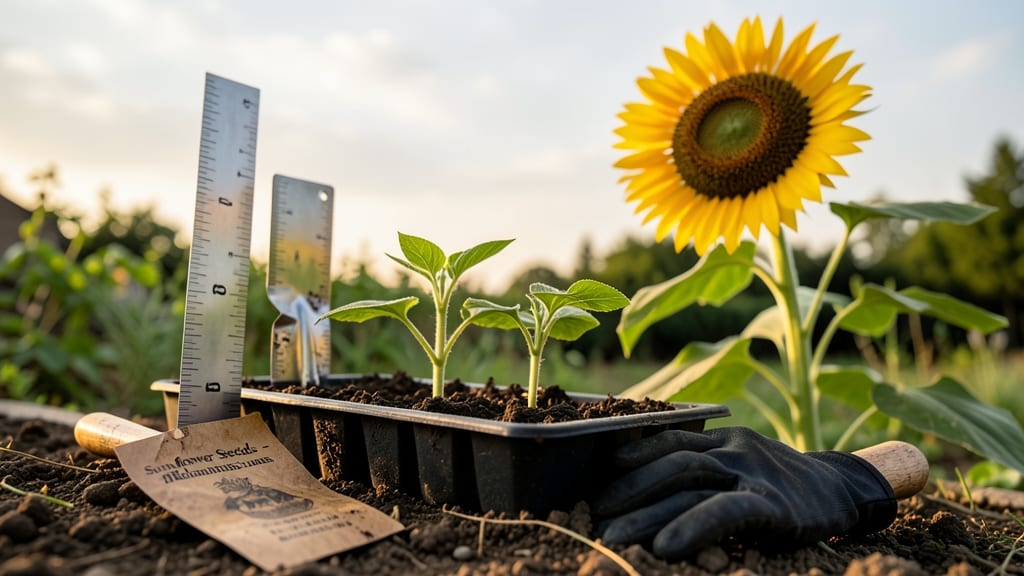
Sunflower seeds grow surprisingly fast from sprouting to towering 10-foot giants in just 80-120 days, but the real magic happens in the first week after planting.
Picture this: you tuck those tiny seeds into warm soil, barely covering them, and then—within 3-10 days—you’re watching a green hook break through the dirt. That’s the moment when sunflowers prove they’re nature’s speed demons, especially in USDA Zone 6a where spring warmth kicks in by April.
But here’s the catch: soil temperature, moisture, and even seed variety can turn that 3-day sprout into a 2-week wait. Too cold? Germination stalls. Too wet? Seeds rot before they wake up.
The good news? With the right conditions, you’ll see those first leaves unfurl in 10-14 days, and by July, you’re harvesting seeds from plants that shot up overnight.
Below, I’ll break down the exact timeline—from the first crack in the soil to the day your 🌻 reaches its full height—plus the simple tweaks that turn "slow grower" into "sky-scraper in a season."


Sunflower seed germination timeline: days to first sprout & early growth
If you've ever eagerly watched your sunflower seeds waiting for that first green shoot, you know patience is key—but knowing the germination timeline makes the wait feel shorter.
Sunflower seeds typically sprout within 7 to 14 days under ideal conditions, though some varieties can break through the soil in as little as 3 days if everything aligns perfectly. The magic happens underground, where warmth, moisture, and proper soil prep set the stage for success.
Temperature plays the biggest role in how fast your seeds sprout. Sunflowers need soil that’s at least 55°F (13°C)—warmer than 70°F (21°C) speeds up germination, while cooler soil can delay it for 2 to 3 weeks.
That’s why planting after the last frost (when soil warms naturally) gives you the best shot at seeing those first cotyledons (the seed leaves) within 5 to 10 days.
The moisture level is just as critical. Seeds need consistent dampness—not soggy—to activate enzymes that break down stored nutrients. A quick trick I use? Water the soil thoroughly 24 hours before planting, then keep it moist (but not waterlogged) until sprouts appear.
Overwatering can suffocate seeds, while dry soil halts germination entirely. Aim for soil that feels like a wrung-out sponge.
Now, let’s talk about those sunflower varieties—because not all seeds sprout at the same speed. Dwarf varieties like 'Teddy Bear' often germinate faster (5 to 7 days) than towering standard varieties like 'Mammoth' (which can take up to 14 days).
Even within the same packet, expect some seeds to sprout overnight while others lag behind. That’s normal! Just be patient—consistent conditions will catch up the stragglers.
Here’s what to expect in the first 2 weeks after planting, broken down by day:
Once your sunflower sprouts break the surface, you’ll notice them growing fastest at night—some varieties can add 1 inch per day during this early phase.
That’s why it’s crucial to keep them in a sunny location (even a south-facing window works for containers) and avoid disturbing the soil around them. Thin seedlings to 6–12 inches apart once they’re 2–3 inches tall to give roots room to spread.
What if your seeds haven’t sprouted in 2 weeks? Don’t panic—yet. First, check if the soil is still moist (stick your finger in; it should feel damp 1 inch down). If it’s dry, water gently and mark the spot with a toothpick so you know where to look.
Cold soil or old seeds (over 2 years) can cause delays, but if you’ve planted fresh seeds in warm, moist soil, they might just be waiting for the perfect moment to break through.
Pro tip: If you’re impatient, try pre-soaking seeds for 4–6 hours before planting. This can shave off 1–2 days from germination time, especially for slower varieties. Just place them in a bowl of lukewarm water, let them soak, then plant them 1 inch deep in well-draining soil.
The key is to avoid over-soaking, which can lead to mold or rot.
Remember, every sunflower starts as a tiny seed with big dreams. By the time you see those first yellow petals, you’ll have witnessed one of nature’s most incredible transformations—all thanks to a little patience, the right conditions, and a sprinkle of sunshine.
Now go check those seeds; you’re closer than you think!
Sunflower growth stages to full bloom: week-by-week height & development chart
Watching sunflowers grow is like witnessing a living skyscraper rise from the earth—each stage brings its own magic. From the first cotyledon leaves peeking above soil to the iconic 12-foot giants reaching for the sun, their progress follows a predictable yet awe-inspiring timeline.
Knowing these week-by-week milestones helps you track growth, troubleshoot delays, and celebrate those first blooms like a pro.
Most sunflower varieties take between 80 to 120 days from seed to full bloom, but dwarf varieties can flower in as few as 50 days. The key to speedy growth?
Consistent sunlight exposure, proper soil nutrients, and avoiding overcrowding. Let’s break down what to expect each week, so you’re never left wondering, "Where did my time go?"
By Week 2, your sunflower seedlings should have 2-4 true leaves and stand about 4-6 inches tall. This is when they’re most vulnerable to pests like cutworms or dampening off from overwatering.
Thin seedlings to 6-12 inches apart to give roots room to stretch—crowded plants grow leggy and weak.
Between Weeks 4-6, you’ll notice the real magic: stems can shoot up 1-2 inches per day in ideal conditions, with leaf spirals forming along the stalk. Tall varieties may already surpass 3 feet, while dwarf types stay compact.
This is the perfect time to stake taller varieties if they’re leaning or to side-dress with compost for a nutrient boost.
By Week 8, the bud stage begins—you’ll spot a fuzzy, golf-ball-sized bump where the flower will bloom. Standard varieties now tower 6-10 feet, while giants like 'Mammoth' sunflowers can reach 12+ feet.
Reduce watering slightly to encourage stronger stems before blooming, and watch for bird damage to emerging buds.
The final stretch (Weeks 10-12) delivers the payoff: those vibrant yellow petals unfurl over 1-2 weeks, with the center disc maturing into seeds. Full-bloom sunflowers can reach 14 feet—taller than most gardeners! Enjoy their pollinator magnet superpowers while harvesting seeds for next year’s garden.
🌻 Pro Tip: Track your sunflowers’ progress with a garden journal! Note planting dates, weather shifts, and any growth stalls—these clues help you fine-tune next year’s sunflower success.