
Flowers
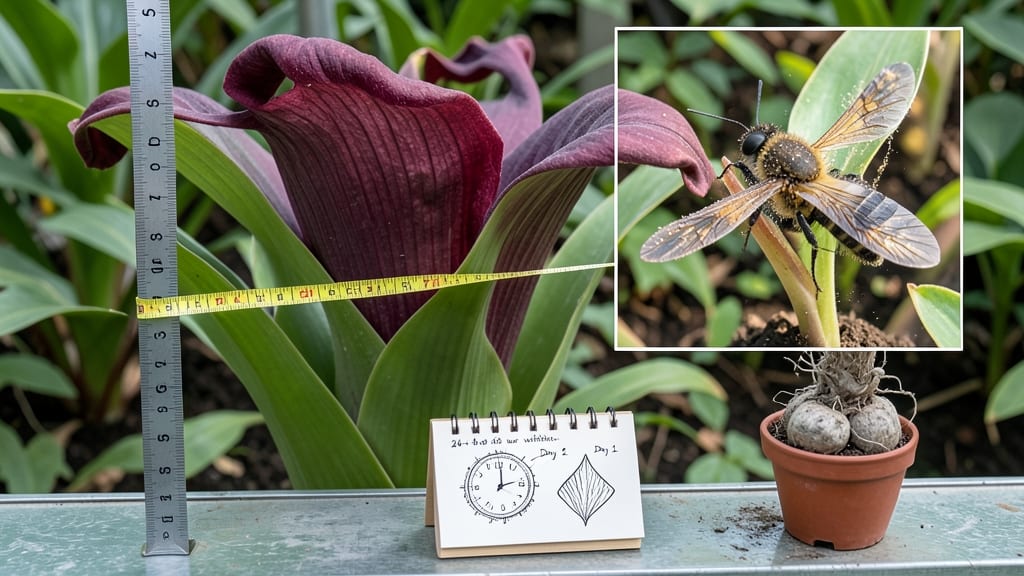
Corpse flowers bloom for just 24 to 48 hours, a fleeting spectacle that makes every minute count when this rare plant finally opens.
Imagine a flower so dramatic it only blooms once every 7 to 10 years—and when it does, it releases a scent like rotting meat to lure flies. The corpse flower (Amorphophallus titanum) 🌺 is nature’s most unusual showstopper, but its bloom is shorter than you’d expect.
This ultra-short window isn’t just about timing—it’s about strategy. The flower’s intense odor and brief display are designed to attract pollinators before fading away. For gardeners, this means catching the bloom at its peak is a rare thrill.
In this guide, I’ll break down the exact stages of the bloom, why it lasts so little time, and how you can maximize your chances of witnessing this extraordinary—and stinky—event.
The corpse flower bloom timeline: how long each stage lasts (with rare exceptions)
The corpse flower (Amorphophallus titanum) is one of nature's most extraordinary plants, but its bloom is fleeting. Most gardeners wait decades for this rare event, so understanding each stage helps you prepare.
The entire bloom cycle—from bud formation to wilting—can span weeks to months, but the actual flowering phase lasts just 24-48 hours. This makes timing critical if you want to witness its dramatic display.
What makes the corpse flower even more fascinating is its pre-bloom phase, which can last 7-10 years between cycles. During this time, the plant focuses on growing its massive corm (a bulb-like structure) to store energy for the next bloom.
This long dormancy period is why many gardeners never see their corpse flower flower at all—patience is key!
Here’s the breakdown of the corpse flower’s bloom timeline, including rare exceptions that might extend or shorten certain stages:
| Stage | Duration | Key Characteristics | Rare Exceptions |
|---|---|---|---|
| Bud Formation | 4-6 weeks | Bud swells to 2-3 ft in diameter; emits faint scent. | Can take up to 3 months in cooler climates. |
| Pre-Bloom (Bud Tight) | 1-3 days | Bud tightens; scent intensifies to rotting meat. | May last 5-7 days in humid conditions. |
| Full Bloom | 24-48 hours | Flower opens fully; scent peaks at night. | Rarely extends to 72 hours in ideal conditions. |
| Post-Bloom (Wilting) | 3-5 days | Flower wilts; scent fades; leaves may yellow. | Can take up to 2 weeks in damp environments. |
| Recovery Phase | 6-12 months | Plant focuses on corm growth; no blooms. | Some plants bloom annually if conditions are perfect. |
The bud formation stage is where most of the action happens before the big show. During this time, the bud can grow up to 3 feet in diameter and emit a faint, sweet scent that gradually shifts to the infamous rotting odor.
This stage is the most predictable part of the cycle, but environmental factors like temperature and humidity can slow it down. In cooler climates, bud formation might stretch to 3 months instead of the usual 4-6 weeks.
Once the bud tightens, you’re in the pre-bloom phase, which is the most dramatic part of the timeline. This is when the corpse flower’s scent becomes overpowering, often filling an entire room with its rotting-meat aroma.
Most gardeners report the scent peaks 1-2 days before full bloom, making it a clear sign that the show is about to begin. If you’re lucky, you might even attract flies to your garden during this phase!
The full bloom stage is the shortest and most intense part of the corpse flower’s lifecycle. On average, the flower opens completely for just 24-48 hours, during which time it reveals its striking maroon and white inner structures.
This is also when the scent is at its strongest, often drawing crowds of curious onlookers. Rare exceptions exist—some corpse flowers have been documented blooming for up to 72 hours in ideal conditions, but this is uncommon.
After the brief but spectacular bloom, the corpse flower enters its post-bloom phase, where the flower wilts and the plant begins to recover. This stage can last 3-5 days, during which the leaves may turn yellow as the plant redirects energy back to its corm.
In humid conditions, this phase can extend to 2 weeks, but the plant remains dormant until it’s ready to bloom again. This is also the time when gardeners should avoid fertilizing, as the plant needs to rest.
The final stage is the recovery phase, which can last 6-12 months or longer. During this time, the corpse flower focuses entirely on growing its corm, storing energy for the next bloom cycle.
Most corpse flowers bloom only once every 7-10 years, but with perfect conditions—like consistent warmth, high humidity, and rich soil—some may bloom more frequently. Rare exceptions include plants that bloom annually, though this is not typical for Amorphophallus titanum.
If you’re growing a corpse flower, the best way to maximize your chances of seeing a bloom is to create ideal conditions. This includes maintaining high humidity, providing partial shade, and ensuring the soil is well-draining but moist.
Avoid disturbing the plant during its recovery phase, as stress can delay the next bloom cycle. With patience and the right care, you might just witness this once-in-a-lifetime spectacle.
🌺
Why corpse flowers bloom for only 24-48 hours—and what triggers this fleeting display
The corpse flower (Amorphophallus titanum) is one of nature’s most ephemeral wonders—its bloom lasts just 24-48 hours, making it a fleeting spectacle. This ultra-short lifespan isn’t random; it’s a highly evolved pollination strategy designed to attract flies and beetles during its brief window of fertility.
Understanding why this happens—and how to optimize conditions—can help you witness this rare event when it occurs.
Unlike most flowers that bloom for days or weeks, the corpse flower’s rapid bloom cycle is tied to its heat-generating spadix. This unique structure can raise temperatures by 10-15°F above ambient air, creating a warm, humid microclimate that mimics a rotting carcass.
This heat triggers the release of volatile organic compounds (VOCs), producing that infamous rotting flesh scent that lures pollinators.
🔍 Did You Know? The corpse flower’s scent is so potent it can be detected up to a mile away by flies and beetles, its primary pollinators. This extreme strategy ensures pollination happens in a single, explosive event—no second chances!
🌱 Key Factors Controlling Bloom Duration
The corpse flower’s 24-48 hour bloom is controlled by three critical factors:
- Temperature: Ideal 75-85°F triggers rapid heat generation in the spadix.
- Humidity: 60-70% humidity maintains scent volatility and flower structure.
- Pollinator Activity: Flies and beetles must arrive within 12-24 hours for successful pollination.
Missing these conditions can shorten the bloom to as little as 8 hours or extend it to up to 72 hours in rare cases.
If you’re lucky enough to cultivate a corpse flower, you can maximize its bloom duration by maintaining consistent warmth and humidity during its pre-bloom phase. Use a space heater or heat mat (set to 80°F) near the plant’s base 24-48 hours before bud break.
Pair this with a humidifier or misting system to keep the air moist—this mimics its tropical rainforest habitat.
Another pro tip: Monitor your corpse flower’s bud closely in the days leading up to bloom. A swollen, firm bud with a slight green tint signals imminent opening.
Once it begins to split at the seams, the bloom will unfold within 6-12 hours, so be ready to document every stage—this is your only chance!
The corpse flower’s short bloom window is also a survival strategy. By exhausting its energy in one explosive event, the plant conserves resources for its 7-10 year dormancy period between blooms.
This extreme efficiency is why witnessing a corpse flower in bloom feels like seeing a once-in-a-lifetime event—it truly is nature’s most dramatic flash in the pan. 🌺