
Flowers
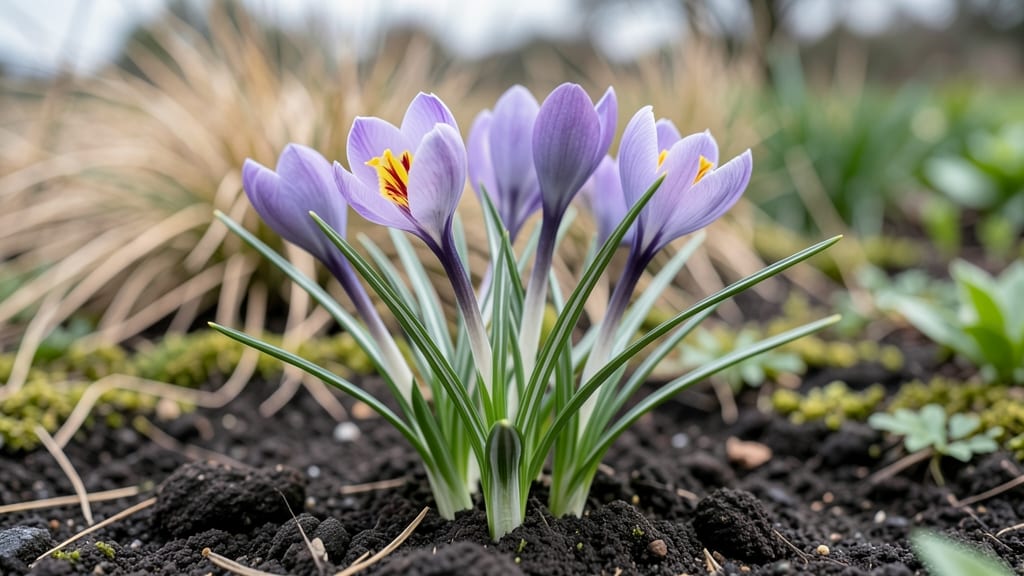
Crocus flowers bloom in late winter to early spring 🌷 — a 4-6 week window that turns your garden into a purple masterpiece before most other blooms even think about waking up.
If you’ve ever dreamed of waking up to vibrant purple blooms signaling spring’s arrival, crocus flowers are your secret weapon—but timing is everything.
These early spring harbingers can appear as soon as late winter in mild climates, or wait until early spring in colder regions, making their bloom schedule a gardener’s puzzle.
In Zone 6, where most gardeners live, crocus typically push through the soil in March, often right after the last frost.
But in warmer zones like 8 or 9, they might start as early as February, while colder zones like 4 or 5 could see blooms delayed until April.
Here’s the game-changer: planting depth, sunlight, and even the type of crocus you choose can shift that window by weeks. I’ll break down how to time your planting for the most dramatic spring display, plus the best varieties for your climate.
Crocus bloom schedule by USDA zone: month-by-month guide
Timing your crocus blooms means understanding your USDA zone and the specific crocus varieties you’ve planted. These hardy flowers can bloom as early as late winter in mild zones or wait until late spring in colder regions.
The key is matching your local frost dates with the right planting schedule—whether you’re growing early spring or fall-blooming types.
Most gardeners focus on spring-blooming crocus like Crocus vernus or Crocus tommasinianus, but some varieties like Crocus speciosus bloom in late winter or even fall. Your zone determines whether you’ll see blooms in February or wait until April.
Let’s break down the exact months for each zone to help you plan your garden’s purple spring spectacle.
Pro Tip: Plant crocus 6-8 weeks before your first hard frost for ideal bloom timing. In warmer zones, you can even get fall blooms with the right varieties.
In USDA Zones 3-4, where winters are harsh, crocus blooms typically arrive in late April to early May. This delay gives the soil time to thaw and signals the start of your spring garden season.
Plant Crocus vernus or Crocus tommasinianus for reliable early blooms—these varieties thrive in colder climates and reward patience with vibrant purple and white flowers.
Gardeners in Zones 5-6 enjoy the earliest blooms, often as soon as mid-March. This is when Crocus chrysanthus (the famous "snow crocus") pops up through melting snow, offering a cheerful contrast to winter’s gray.
For extended blooms, mix early, mid, and late varieties—this staggered approach ensures color from March through April.
Warmer climates in Zones 7-8 get a head start, with blooms appearing as early as February. Here, Crocus speciosus shines with its deep purple and striped petals, while Crocus cancellatus adds delicate white and lavender hues.
Don’t forget to plant some fall-blooming types—they’ll reward you with autumn color before winter sets in.
In the mildest zones (9-10), crocus can bloom year-round if you choose the right varieties. Crocus sativus (saffron crocus) and Crocus biflorus may appear in late January, while others continue through spring and even summer with proper care.
These zones also allow for container gardening, letting you move crocus to sheltered spots in winter if needed.
To extend your crocus season, try succession planting. Plant a mix of early, mid, and late varieties so that as one batch fades, another takes over. For example, pair Crocus tommasinian
How to time crocus planting for perfect spring blooms
Timing your crocus planting correctly is the secret to waking up to those first spring blooms of the season. Unlike many flowers, crocuses thrive when planted in fall, not spring, because they need a period of winter chilling to trigger flowering.
This process mimics their natural lifecycle in temperate climates, where they bloom early before summer heat arrives.
For most gardeners in USDA Zones 3-8, the ideal window is between September and November, when soil temperatures drop below 60°F (15°C). Planting too early risks sprouting before winter, while waiting too long may not provide enough chilling time.
In warmer climates (Zones 9-10), you can plant as late as December or even early spring, but blooms may be less reliable.
⚠️ callout warning
Crocuses need 12-16 weeks of 40-50°F (4-10°C) soil temps to bloom. If you plant after November 1st in cold zones, they may not get enough chilling time. In Zone 5, aim for October 15th—any later risks spring blooms appearing 2-4 weeks late or not at all.
Pro Tip: Use a soil thermometer to confirm temps are consistently below 60°F (15°C) before planting.
Your crocus variety also plays a role in timing. Dutch crocuses (Crocus vernus) typically bloom earliest (late winter), while autumn-blooming species like Crocus speciosus may flower in October-November if planted in summer.
For spring blooms, focus on fall-planted varieties like Tommasini's crocus (Crocus tommasinianus), which thrives in partial shade and blooms in February-March.
When planting, bury the corm 3-4 inches deep, spacing them 3-4 inches apart in clusters for a natural look. Use a well-draining soil mix—crocuses hate soggy roots—and add a light layer of mulch (1-2 inches) to protect them from freezing temperatures.
Avoid heavy mulch, which can smother the corms or delay spring emergence.
In containers, plant crocuses in well-draining pots with a sand or gravel layer at the bottom. Place pots in a cold frame or move them to an unheated garage during winter to ensure proper chilling.
If you live in a mild-winter zone (like Zone 9), you can plant in late fall or early spring, but expect blooms to arrive 1-2 weeks later than in colder regions.
After planting, water lightly to settle the soil, then let nature take over. Crocuses are drought-tolerant once established, so no additional watering is needed until spring, when you’ll see those first purple, white, or yellow blooms pushing through the soil.
For repeat blooming, deadhead spent flowers and feed lightly with a balanced fertilizer (5-10-10) in fall after planting.
With the right timing and a little patience, your crocuses will reward you with early spring color that brightens even the grayest winter days. The key is planting in fall, ensuring proper chilling, and giving them full sun to partial shade.
Once established, they’ll multiply and return year after year—all while teaching you the magic of seasonal gardening. 🌷