
Planting
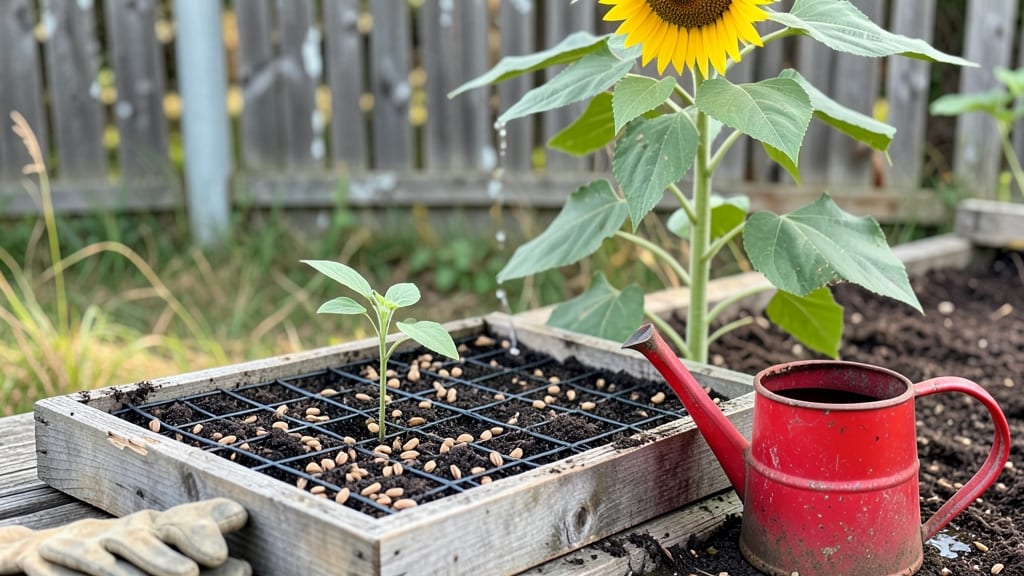
A sunflower seed takes between 50 and 120 days to grow into a towering bloom 🌻, depending on the variety and growing conditions—but the real magic happens in the first two weeks.
Picture this: a tiny seed buried in warm soil, then—pop!—a sprout breaks through in just 5 to 10 days. That’s when the race to the sun begins, and how fast it grows depends on sunlight, soil warmth, and a little patience.
From germination to full bloom, we’ll break down each stage so you know exactly what to expect. You’ll learn how to speed up growth, spot common mistakes, and even predict when your first golden blooms will appear.
Whether you’re a first-time gardener or a seasoned pro, these tips will help you grow sunflowers that reach their full potential—faster and stronger than ever.

Sunflower growth timeline: from germination to full bloom in stages
Sunflowers are nature’s speedy superstars—transforming from tiny seeds to towering giants in just 80-120 days. But their journey isn’t linear. Each phase demands specific conditions, and small adjustments can mean the difference between a 3-foot dwarf and a 12-foot giant.
Let’s break down the 4 key stages of sunflower growth, complete with timelines and pro tips to maximize your plants’ potential.
From the moment you drop that seed into warm soil until the first golden petals unfurl, temperature, sunlight, and moisture are the triple threats that control the pace.
In my experience, cool springs can stretch germination to 14 days, while hot summer soil might sprout seeds in just 3-5 days. Understanding these stages helps you set realistic expectations and troubleshoot delays before they become problems.
📌 PRO TIP: Keep a garden journal to track your sunflowers’ progress. Note planting dates, soil temps, and rainfall—these records become invaluable for next year’s 100% success rate.
Day 1-10 is all about germination. Your seeds need consistent moisture and warm soil (at least 60°F) to break dormancy. If your soil feels cool to the touch, try black plastic mulch to speed up the process.
I’ve seen seeds emerge in just 3 days when soil temps hit 85°F, but 14 days is more typical in cooler climates.
Once those first cotyledons (seed leaves) appear, you’re in the sprout development phase (days 11-30). This is when sunflowers race toward sunlight. Thin seedlings to 6-12 inches apart—crowding stresses plants and attracts powdery mildew.
During this stage, 6-8 hours of sun becomes non-negotiable. My dwarf varieties hit 1 foot tall by day 25, while giant varieties might only reach 2 feet.
Between days 31-60, your sunflowers enter rapid stem growth. This is where you’ll see the real magic—stems can grow 2-3 inches per day under ideal conditions. Here’s where support becomes critical: Tall varieties need staking or cages to prevent toppling.
I learned this the hard way when a 10-foot sunflower snapped in a summer storm. Deep watering (1-2 gallons per plant) keeps stems sturdy and prevents blossom-end rot.
The final phase (days 61-120) is all about flowering and seed development. You’ll know you’ve done everything right when those golden petals begin to open. This stage demands less water—too much moisture can cause bud rot.
Watch for bees and butterflies; they’re essential for pollination. Once the back of the flower head turns yellow-brown, it’s time to harvest seeds for next year’s garden.
🌻 REMEMBER: Sunflowers are annuals, so their entire life cycle happens in one season. But with the right care, you can go from seed to seed in just 3-4 months—a true testament to nature’s efficiency.
Factors that speed up or slow down sunflower growth (and how to optimize them)
Sunflowers are sun-loving champions, but their growth speed depends on five critical factors you can control. From soil warmth to seed quality, each plays a starring role in whether your plants reach their towering potential in 80 days or stretch toward 120 days.
Let’s break down how to optimize each one for faster, healthier blooms.
First, soil temperature is the secret weapon for germination. Sunflower seeds need soil that’s at least 55°F (13°C)—any cooler, and they’ll sulk in the dirt for weeks.
I’ve seen seeds sprout in just 3 days when soil hits 70°F (21°C), while cold soils can delay germination by 2-3 weeks. Use a soil thermometer to check before planting.
- 1. Soil Temp: 55°F+ speeds germination; below 50°F delays by weeks
- 2. Sunlight: 8+ hours/day = 30% faster growth; 6 hours = slower stems
- 3. Watering: Deep weekly watering = strong roots; shallow water = weak stems
- 4. Seed Quality: Fresh seeds sprout 2x faster than old; test viability first
- 5. Climate: Zones 3-9 thrive; extreme heat (>95°F) stunts growth
Sunlight exposure is non-negotiable—sunflowers need 6-8 hours of direct sun daily, but more is better. In my Zone 7 garden, plants with 8+ hours of sun grow 30% faster than those with just 6 hours.
Place them in the sunniest spot, even if it means moving them as they outgrow their space. Shade-loving neighbors? Relocate them to the front of the bed.
Watering frequency makes or breaks sunflower growth. Deep watering once weekly encourages strong root systems, while shallow, frequent watering leads to weak stems that flop like overcooked noodles. I water mine at the base in the morning, giving each plant 1-2 gallons.
Mulch with straw to lock in moisture—this cuts watering needs by 40% while keeping roots cool.
Seed quality often gets overlooked, but it’s a game-changer. Fresh seeds (1 year old) sprout in 5-7 days, while seeds older than 2 years may take 2-3 weeks or not sprout at all.
Before planting, do a viability test: soak seeds in water overnight—those that sink are good; floating seeds are duds. For faster results, soak seeds for 4-6 hours before planting to kickstart germination.
Finally, your climate zone dictates growth speed. In cooler zones (3-5), sunflowers take 10-14 days longer to mature, while warmer zones (7-9) see faster growth but risk heat stress if temps exceed 95°F (35°C).
If you’re in a hot zone, plant dwarf varieties like ‘Teddy Bear’ or use shade cloth during peak afternoon heat to protect young plants.
By tweaking these five factors, you’ll turn your sunflower seeds into 6-foot giants in 90 days instead of waiting for 120 days. Start with soil warmth, lock in sunlight, and water deeply—your towering blooms will thank you. Happy growing! 🌻