
Plants
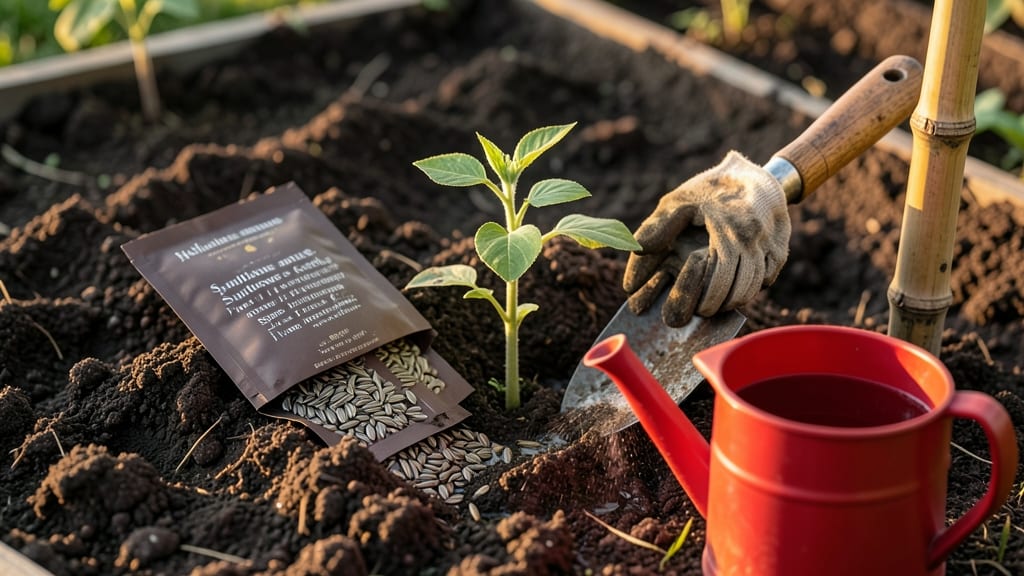
Planting sunflower seeds in Florida at the right time means fast germination and towering 🌻 blooms—skip the window, and you risk weak stems or no flowers at all.
Here’s the catch: Florida’s frost-free climate lets you grow sunflowers year-round, but heat stress and soil warmth play a bigger role than most gardeners realize. Plant too early, and seeds sit in cold soil; too late, and the summer sun zaps their energy before they sprout.
For fast, reliable growth, aim for two ideal windows: early spring (February–April) or late summer (August–September). These months balance soil warmth and rainfall, giving your sunflowers the best shot at reaching their full 10-foot height without wilting.
Below, I’ll walk you through the exact soil temperature to wait for, how to prep Florida’s sandy or clay-heavy dirt, and the one trick that cuts germination time in half—no matter where you are in the state.
Best planting timeline for sunflowers in Florida’s frost-free zones
Florida’s frost-free climate makes it an ideal place to grow sunflowers year-round, but timing still matters for fast germination and healthy blooms. Unlike northern states, Florida gardeners don’t need to worry about frost, but soil temperature and seasonal heat play crucial roles in determining the best planting windows.
The key is planting when soil reaches 60°F+ for consistent sprouting.
Sunflowers thrive in Florida’s warm climate, but late summer heat can stress seedlings if planted too early. My top recommendation is to focus on two planting windows: March–May for spring blooms and August–October for fall harvests. These windows balance soil warmth and rainfall patterns to maximize success.
Regional differences matter in Florida. North Florida (Zones 8a–9a) has slightly cooler winters, while South Florida (Zones 10a–11) enjoys year-round warmth. For North Florida, aim for mid-March to early May and late August to early October. In Central Florida, you can extend planting to February–June and July–September. South Florida gardeners have the most flexibility, with January–June and August–November as ideal windows.
Here’s a quick reference for Florida’s sunflower planting timeline by region, including soil temperature requirements and ideal months for fast germination:
For spring plantings, aim to sow seeds when daytime temperatures consistently stay above 70°F. This ensures quick germination and reduces the risk of seedling disease from prolonged moisture.
In my garden, I’ve found that March plantings often yield the tallest sunflowers by summer, while April sowings produce blooms just in time for Fourth of July displays.
Late summer plantings (August–October) are perfect for fall harvests and winter seed collection. The key here is to avoid planting too close to hurricane season (June–November), which can uproot young seedlings.
I recommend starting seeds indoors in early August and transplanting outdoors after Labor Day to give them a head start.
One common mistake I see is planting sunflowers in peak summer heat (June–July). While Florida’s climate is warm, soil temperatures can exceed 90°F, which slows germination and stresses seedlings.
If you must plant in summer, use shade cloth for the first 2 weeks and water deeply every 2–3 days to keep soil cool.
Pro tip: Use a soil thermometer to check temperatures before planting. Sunflower seeds need 60°F+ soil to sprout reliably. In my experience, morning soil temps are the most accurate gauge—if they’re below 60°F, wait a few more days.
For fast germination, I’ve had the best success with soil temps between 65°F–75°F.
Finally, don’t forget that sunflowers are annuals with a 60–90 day growth cycle. Plan your planting window so blooms appear when you want them—whether for summer cut flowers or fall seed harvests. With the right timing, you can enjoy towering sunflowers from spring through winter in Florida’s frost-free zones.
How to prepare Florida soil for sunflower seeds: soil warmth & pH tips
Florida’s sandy or clay-heavy soils can be tricky for sunflower seeds—too fast-draining or too compacted, and your plants struggle from the start. The key to fast germination and strong stems lies in two factors: soil warmth (at least 60°F) and the right pH balance (6.0–7.5).
Without these, even the hardiest seeds may rot or fail to sprout.
Sunflowers need well-draining soil to prevent root rot, but Florida’s native soils often lack the organic matter they crave. I’ve learned the hard way—skipping soil prep means weaker plants that can’t handle Florida’s summer heat. Let’s fix that with a simple, step-by-step approach tailored to your local soil type.
Before you even think about planting, grab a soil thermometer (just $10 at any garden center) and check your soil’s temperature. Sunflower seeds need warmth to activate—anything below 60°F and they’ll sit dormant for weeks.
In North Florida, wait until mid-March; in South Florida, you can plant as early as February.
⚠️ Florida Soil Warning: Don’t Plant Until Soil Warms!
Sunflower seeds planted in cold Florida soil (below 60°F) risk rot or slow germination. Use a soil thermometer to confirm warmth—especially in North Florida where mornings stay chilly into March. Pro tip: Cover seeds with black plastic mulch for 24 hours to warm soil 5–10°F faster.
Now, let’s talk pH adjustment. Florida’s sandy soils often test too acidic (below 6.0), while clay soils can be alkaline (above 7.5). Sunflowers thrive in the 6.0–7.5 range.
Test your soil with a kit (available at garden stores) and amend as needed: add lime for acidic soil or sulfur for alkaline soil. Mix in 2–3 inches of compost to improve drainage and fertility—this is non-negotiable for Florida’s heavy clay.
For sandy soils, blend in peanut hull compost or coconut coir to retain moisture, while clay soils benefit from gypsum to break up compaction. Work these amendments into the top 6–8 inches of soil 1–2 weeks before planting.
This gives microbes time to break down organic matter and create the perfect seedbed.
Finally, mulch heavily after planting with straw or wood chips. This keeps soil warm, suppresses weeds, and maintains moisture—critical for Florida’s dry spells. Water deeply once a week (or more in summer) to encourage deep root growth.
With these steps, your sunflower seeds will sprout in 7–10 days instead of weeks.
Remember: Soil prep is half the battle. Skip it, and you’ll spend the season chasing weak, leggy plants. But get it right, and you’ll have 10-foot sunflowers blooming by summer—no guesswork needed. 🌻