
How To
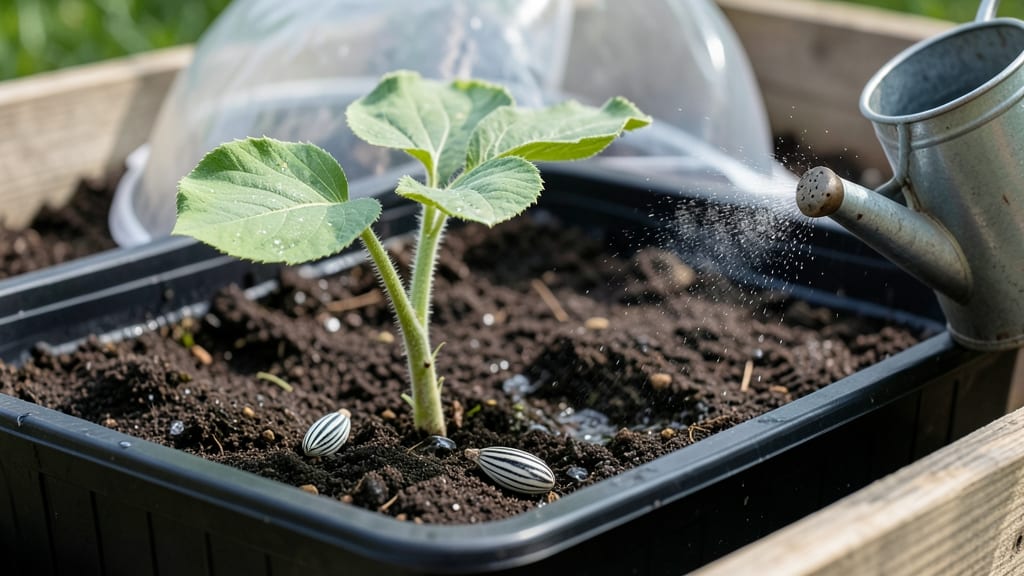
How long does it take for sunflower seeds to sprout? Under ideal conditions, they can emerge in as little as 3 days, but most gardeners see their first 🌻 shoots between 7 and 14 days—if you get the soil just right.
Watching sunflower seeds sprout is one of the fastest and most rewarding experiences for gardeners—but timing is everything. If you’ve ever wondered why some seeds pop up in days while others take weeks, soil temperature is the hidden key.
Too cool, and they’ll sit there stubbornly waiting. Too hot, and they might rot before they even wake up. The sweet spot is 70°F to 80°F, where you’ll see those first green hooks break through the soil in a matter of days.
Below, I’ll walk you through the exact germination timeline by temperature, plus the simple tricks to speed up sprouts—like keeping the soil moist but not soggy and avoiding the three biggest mistakes that stall growth.
Sunflower seed germination timeline by soil temperature (days to first sprouts)
Sunflower seeds are famous for their fast germination, but their speed depends almost entirely on one factor: soil temperature. While most gardeners expect sprouts in 7–14 days, the reality varies wildly—from 5 days at 80°F to 3+ weeks at 50°F.
Understanding this timeline helps you plan your planting schedule and troubleshoot slow starters.
Sunflower seeds need warmth to activate their enzymes, which break down stored nutrients. Below 50°F (10°C), germination slows dramatically or halts entirely. Above 80°F (27°C), seeds may sprout faster but risk damping off if moisture isn’t managed.
The sweet spot for sunflowers is between 70°F–80°F (21°C–27°C), where most varieties pop up in 5–10 days.
Here’s how soil temperature directly impacts your germination timeline, with real-world expectations for each range:
If you’re planting in cool climates, use a seedling heat mat ($15–$25) to maintain 70°F+ soil. For container gardening, place pots in a sunny window or under grow lights to accelerate warmth.
Pro tip: Test your soil temperature with a soil thermometer (or your finger—if it feels cold to you, it’s too chilly for seeds!).
Once your sunflower seeds hit the 70°F–80°F range, they’ll typically crack open their seed coats in 3–5 days, followed by a 2–3 inch sprout within a week. Dwarf varieties like ‘Teddy Bear’ often germinate faster than giants like ‘Russian Giant’, but the temperature rules apply to all.
For fastest results, aim to plant when daytime temps consistently stay above 65°F (18°C).
Moisture matters just as much as heat. Keep soil consistently damp (not soggy) during germination. A spray bottle works best to avoid disturbing seeds. Overwatering can cause seeds to rot, while underwatering halts growth. Think of it like a moist sponge—never dry, never waterlogged.
What if your seeds don’t sprout within 2 weeks? First, check for viability by soaking a few seeds in water overnight. If they swell, they’re alive.
If not, try fresh seeds or a scarification method (lightly sanding the seed coat). Patience is key—some heirloom varieties take longer due to thicker seed coats.
For container growers, pre-warm your soil mix by placing pots in a sunny spot for a day before planting. Mix in compost or coconut coir to improve warmth retention.
If you’re in a short-season climate, opt for fast-maturing varieties like ‘Autumn Beauty’ (50–60 days to harvest) to maximize your growing window.
Remember: Soil temperature is just one piece of the germination puzzle. Pair it with proper moisture, depth (1 inch deep), and light (sunflowers don’t need light to sprout but thrive with it afterward).
With these conditions met, you’ll see those first bright green sprouts in record time—often in as little as 5 days under ideal conditions! 🌱
5 Critical factors that speed up or delay sunflower germination (beyond temperature)
While soil temperature sets the baseline for sunflower germination, other factors can either accelerate or stall the process. I’ve learned that even with perfect warmth, seeds can take weeks to sprout if moisture, depth, or soil quality are off.
Let’s break down the 5 game-changers that determine how quickly your sunflowers emerge from the soil.
Sunflowers thrive when you control these variables—each one acts like a gear in a clock, turning faster or slower based on your preparation. Skipping even one step can leave your seeds waiting weeks longer than necessary. For example, overwatering can suffocate seeds, while dry soil halts growth until conditions improve.
- 1. Moisture Balance: Keep soil consistently damp (not soggy) to prevent seed desiccation. Use a spray bottle for gentle hydration—sunflowers hate waterlogged roots.
- 2. Planting Depth: Bury seeds 1 inch deep—any deeper delays sprouting, while shallower planting risks drying. Use your finger to mark the depth.
- 3. Soil Type: Loose, well-draining soil (sandy loam ideal) prevents compaction. Amend clay soil with compost to improve aeration.
- 4. Light Exposure: Sunflowers need bright light even before sprouting. Plant in a south-facing spot or use grow lights if starting indoors.
- 5. Pre-Soaking: Soak seeds for 4–6 hours in warm water to soften the hard outer shell. Rinse before planting to avoid mold.
I’ve seen pre-soaked seeds sprout in just 3–5 days under ideal conditions, while untreated seeds can take 10–14 days. The difference? A simple soak mimics natural rainfall, breaking dormancy faster. For slow germinators, try scarification—lightly sanding the seed coat—to speed up the process.
Soil aeration is another often-overlooked factor. Compacted soil starves seeds of oxygen, slowing growth. Loosen the top 2–3 inches of soil before planting to create an ideal environment. I once planted sunflowers in untouched garden soil and waited 21 days for sprouts—until I tilled the bed and saw germination in 7 days.
Light exposure isn’t just for established plants—seeds need it too. Sunflowers are photoblastic, meaning they respond to light cues even underground. Planting too deep or covering seeds with thick mulch can delay emergence. If starting indoors, place trays under grow lights for 12–14 hours daily to mimic natural conditions.
Finally, seed quality matters. Old or stored seeds may have lower viability. Test a few seeds in a damp paper towel—if they don’t sprout within 7 days, replace your seed stock. Fresh seeds from reputable suppliers germinate 2–3x faster than those past their prime.