
Blooming
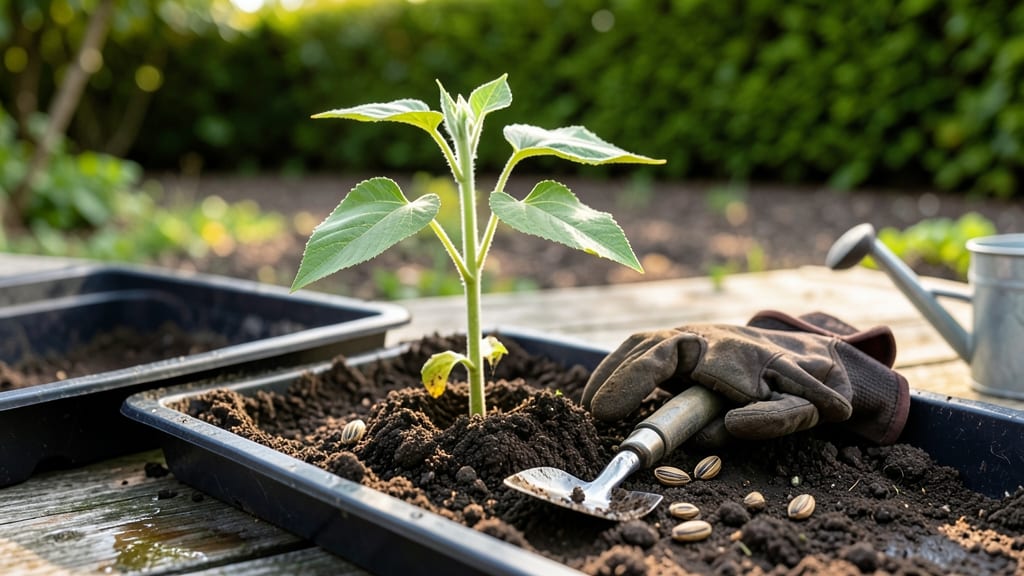
Sunflowers sprout in 5 to 14 days once planted, but the timing depends on soil warmth, seed depth, and variety—so don’t rush to dig up your seeds before then!
Watching sunflower seeds break through the soil is one of the most exciting parts of gardening—but how long should you wait before checking for sprouts? The answer depends on planting depth, soil temperature, and seed quality, and knowing these factors can mean the difference between impatient digging and patient success.
Most 🌻 sunflower seeds planted 1 inch deep in warm soil (70°F or higher) will sprout within 7 to 10 days, while deeper or cooler conditions can stretch that to 2 weeks.
Pre-soaking seeds or using a heat mat can cut germination time by 2 to 3 days.
Below, I’ll break down the exact germination windows by depth, the 5 critical factors that speed up or slow down sprouting, and what to do if your seeds take longer than expected.
Sunflower germination timeline by seed planting depth (with exact days)
Sunflower seeds are tough little powerhouses, but their sprouting speed depends heavily on how deep you plant them. The ideal planting depth for sunflowers is 1 inch deep, but many gardeners accidentally bury them too deep or too shallow, which can delay germination by days or even weeks.
Understanding this seed depth vs. germination timeline helps you set realistic expectations and troubleshoot delays before they happen.
If you're starting seeds indoors, the timeline shifts slightly due to controlled conditions, but the same depth principles apply. For outdoor planting, soil temperature and moisture become even more critical factors.
Let’s break down exactly how planting depth affects your sunflower germination timeline, with exact days to expect sprouts under optimal conditions.
🌱
| Planting Depth | Indoor Sprouting Time | Outdoor Sprouting Time | Optimal Soil Temp | Key Considerations |
|---|---|---|---|---|
| 1 inch (recommended) | 5-7 days | 7-10 days | 70-85°F (21-29°C) | Fastest germination; minimal risk of rot or shallow planting issues. |
| ½ inch (too shallow) | 7-14 days | 10-14 days | 65-75°F (18-24°C) | Seeds dry out faster; may need extra moisture. Prone to uneven sprouting. |
| 2 inches (too deep) | 10-21 days | 14-28 days | 75-85°F (24-29°C) | Slower due to limited energy reserves; risk of damping-off if soil stays wet. |
| Indoor (soaked seeds) | 3-5 days | N/A | 75-80°F (24-27°C) | Pre-soaking reduces germination time by 2-3 days; use heat mat for faster results. |
| Outdoor (cold soil) | N/A | 14-30+ days | Below 60°F (15°C) | Germination halts below 50°F (10°C); wait until soil warms to at least 60°F. |
When planting sunflower seeds at the recommended 1-inch depth, you can expect sprouts to appear in 5-7 days indoors and 7-10 days outdoors, assuming your soil temperature stays above 70°F (21°C).
This is the sweet spot for germination because the seeds aren’t buried too deep to struggle upward or too shallow to dry out.
If you plant seeds ½ inch deep, they’ll sprout slightly slower—typically 7-14 days indoors—because they lack the moisture retention of deeper planting. However, shallow planting can also cause seeds to dry out if your growing environment isn’t humid enough.
For outdoor plantings, this delay can stretch to 10-14 days due to variable weather conditions.
On the other hand, planting seeds 2 inches deep can double your waiting time, with sprouts taking 10-21 days indoors and 14-28 days outdoors. Sunflower seeds have limited energy reserves, and the extra distance to the surface can exhaust them before they break through.
This depth is only recommended if you’re dealing with poor soil quality or drought conditions, where deeper planting helps retain moisture.
For the fastest results, especially if you're growing sunflowers indoors, consider pre-soaking your seeds for 4-6 hours before planting. This can shave off 2-3 days from your germination timeline, bringing indoor sprouting down to as little as 3-5 days.
Pair this with a heat mat set to 75-80°F (24-27°C), and you’ll see those first green shoots in record time.
Outdoor plantings face more variables, like soil temperature fluctuations and unpredictable rain. If your soil temperature drops below 60°F (15°C), germination can stall entirely.
Always check soil temperature with a soil thermometer before planting outdoors—wait until it consistently stays above 65°F (18°C) for reliable sprouting within the 7-10 day window.
One common mistake is assuming that larger sunflower varieties will sprout faster than dwarf varieties. In reality, the germination timeline is nearly identical across types—what varies is the time to maturity.
Focus on seed depth and soil conditions first, then let the plant’s genetics determine its final height and bloom time.
If you’re still not seeing sprouts after 2 weeks indoors or 3 weeks outdoors, it’s time to investigate further. Check for seed viability, moisture levels, and soil temperature—these are the most likely culprits delaying your sunflower’s debut.
But with the right depth and conditions, you’ll be watching those cheerful faces peek through the soil in no time.
☀️
5 Critical factors that speed up or delay sunflower sprouting (and how to control them)
Sunflower seeds are eager to grow, but their germination speed depends on five key factors you can control. Understanding these variables helps you create the perfect environment for fast, healthy sprouts.
From soil warmth to moisture balance, each element plays a role in whether your seeds emerge in 5 days or linger for weeks.
First, soil temperature is the most critical factor—sunflower seeds need warmth to activate. Ideal germination occurs between 70°F and 85°F, while cooler soils (60°F or below) can delay sprouting by 3-5 days.
If your garden soil is still chilly after the last frost, consider using a seedling heat mat or planting in a black plastic mulch to warm the soil faster.
- 1. Soil Temperature (70°F-85°F): Sprouts in 5-7 days. Below 60°F? Delay up to 10+ days.
- 2. Moisture Consistency: Even dampness = 4-6 days. Too dry? Stalls growth; too wet? Causes rot.
- 3. Seed Viability: Fresh seeds sprout in 3-5 days. Old seeds (>2 years) may take 10-14 days or fail.
- 4. Light Exposure: Direct light after sprouting speeds growth. Shade delays by 2-3 days.
- 5. Planting Depth: 1 inch deep = 5-7 days. Too deep (2+ inches) can double sprouting time.
Next, moisture levels must stay consistent but not soggy. Sunflower seeds need even dampness to soften their outer shell, but overwatering can suffocate them. Aim for soil that feels like a wrung-out sponge—moist but not muddy.
A spray bottle or drip irrigation keeps seeds hydrated without disturbing them, while bottom-watering trays prevent uneven moisture.
Seed viability is another game-changer—fresh seeds (less than 1 year old) sprout in 3-5 days, while older seeds may take 10-14 days or fail entirely. To test viability, soak a few seeds overnight: if they swell, they’re good to plant. For extra insurance, pre-soak all seeds for 4-6 hours before planting to jumpstart germination.
Don’t overlook light exposure, especially after sprouts emerge. Sunflowers are photoblastic, meaning they need light to trigger germination, but too much shade after sprouting can delay growth by 2-3 days.
If starting indoors, place seeds under a grow light once they break the surface, and transplant outdoors only after they’ve developed 2-3 true leaves.
Finally, container or bed preparation matters—compacted or rocky soil slows root penetration. Loosen soil to a depth of 6 inches and mix in compost for better drainage. In containers, use a well-draining potting mix with perlite to prevent waterlogging.
Whether in-ground or in pots, ensure seeds aren’t planted too deep—1 inch is ideal for fastest sprouts.