
How To
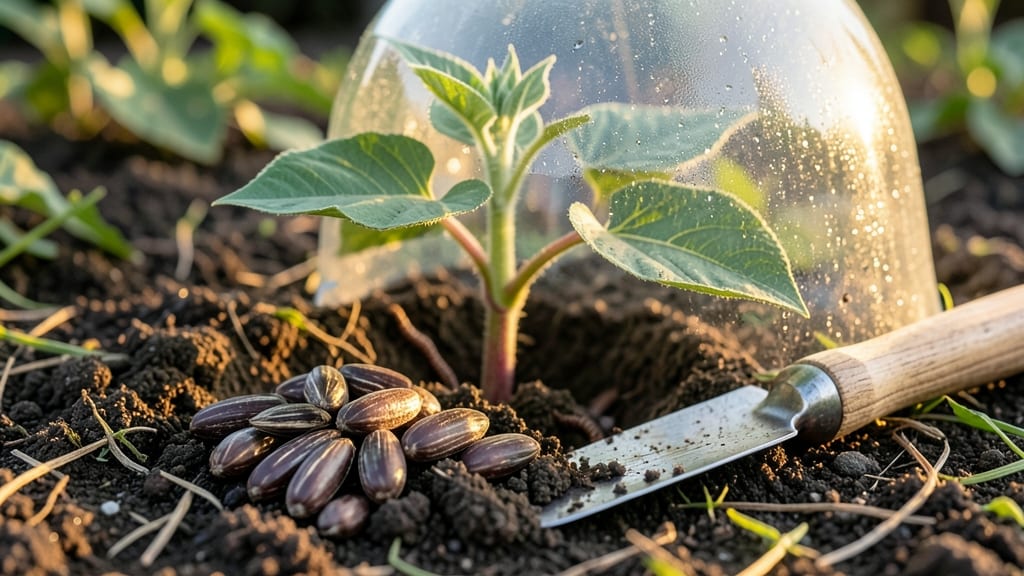
Sunflower seeds can take how long does it take sunflower seeds to germinate in as little as 5 days under ideal conditions, but many gardeners wait weeks without realizing they’re missing the simple soil warmth tricks that speed up the process.
Picture this: you’ve planted your 🌻 sunflower seeds in cool spring soil, watered them faithfully, and now you’re staring at dry earth wondering where the sprouts are. The truth? Soil temperature is the game-changer—and it’s easier to control than you think.
With the right warmth, your seeds will break through the soil in just 5-14 days, depending on conditions. Too cold, and you’re looking at 3-4 weeks of waiting. Below, I’ll show you exactly how to monitor germination progress and keep your seeds cozy until those first green leaves appear.
Once you master these tricks, you’ll go from impatient seed-starter to confident grower in no time—because the fastest way to sunflower success starts with the soil.

Sunflower seed germination timeline: days to sprouts based on soil temperature
Sunflower seeds are among the fastest-growing garden plants, but their germination speed depends heavily on one critical factor: soil temperature. While most gardeners expect sprouts within 5-14 days, the actual timeline can vary dramatically based on whether your soil is warm or cool.
Understanding this relationship helps you plan your planting schedule and troubleshoot slow germination.
In ideal conditions (70-85°F soil), sunflower seeds typically sprout within 5-7 days. However, if your soil is cooler—like in early spring or fall—germination can stretch to 10-14 days or even longer.
The key to faster sprouts lies in maintaining consistent warmth, which is why many gardeners use tricks like black plastic mulch or heat mats to jumpstart the process.
Below is a detailed breakdown of how soil temperature affects germination timing, along with practical tips to accelerate sprouting when conditions aren’t ideal. Whether you're planting in cold early spring or warm late summer, this timeline will help you set realistic expectations and take action to speed things up.
If your soil temperature falls in the 50-60°F range, germination can take 14-21 days or longer, which is why many gardeners in cooler climates start seeds indoors using heat mats or wait until the soil warms naturally.
The good news? Once you hit 60°F or above, sprouts typically appear within 10 days, and at 70-85°F, you’ll see them in just 5-7 days.
For those in USDA Zones 3-5, where early spring soil can be stubbornly cold, consider using a DIY greenhouse setup with clear plastic domes or cloches. These simple tools trap heat and can shave off 3-5 days from germination time.
Even a black plastic mulch laid over the planting area can raise soil temperature by 5-10°F, making a noticeable difference.
One common misconception is that sunflower seeds need dark, moist conditions to germinate—while this is true, the speed of germination is directly tied to warmth. If your seeds are taking longer than expected, check the soil temperature with a soil thermometer (available for under $10).
Aim for 70°F or warmer to see the fastest results, especially if you're eager to grow tall varieties like 'Mammoth' or 'Russian Giant', which need every day of the growing season.
Pro tip: If you’re planting in containers or raised beds, these warm up faster than in-ground soil. Fill containers with a 50/50 mix of potting soil and compost to improve warmth retention.
You can also pre-warm the soil by placing the container in a sunny spot for 24 hours before planting to give your seeds a head start.
Monitoring germination progress is easy once you know what to look for. After planting, keep the soil consistently moist (not soggy) and watch for the first tiny green hooks to emerge.
These are the radicles, or rootlets, breaking through the seed coat. Once you see these, sprouts will follow within 24-48 hours, depending on soil warmth.
If you’re still not seeing sprouts after 14 days, don’t assume the seeds are bad. Instead, check for poor soil contact or dry soil. Gently press the soil around the seeds to ensure they’re making good contact with the earth.
Sunflower seeds are hard-coated, so they need both moisture and warmth to soften and break open.
For gardeners in hot climates (Zones 8-10), germination can happen in as little as 3-5 days, but the risk of overheating increases. To prevent seeds from drying out or rotting, water lightly every 2-3 days and avoid planting in direct midday sun until sprouts appear.
Once seedlings emerge, they’ll tolerate full sun, but the seeds themselves are more delicate.
Understanding this timeline helps you plan not just when to plant, but also how to optimize conditions for success. Whether you’re a beginner or a seasoned gardener,
5 Proven soil warmth tricks to germinate sunflower seeds faster
Sunflower seeds thrive when soil temperatures stay between 70-85°F—the sweet spot for rapid germination. If your sprouts are taking longer than expected, it’s likely because your soil isn’t warm enough. The good news? You don’t need fancy equipment to create the perfect heat environment.
Simple, low-cost tricks can cut germination time by half, getting those 🌻 sprouts popping in as little as 5 days instead of weeks.
Cold soil slows down metabolic activity in seeds, delaying sprouting. Even in spring, early mornings and evenings can drop soil temps below 60°F, stalling germination. That’s why I rely on these five proven methods to maintain consistent warmth—whether you’re planting in the ground, containers, or even indoors.
Each trick is budget-friendly and easy to implement, even for beginner gardeners.
Black Plastic Mulch
Lay black plastic sheeting over planting areas to absorb sunlight and raise soil temps by 10-15°F. Cut small X-shaped slits where you’ll plant seeds to protect them from direct plastic contact.
Bottom Heat Mats
Use seedling heat mats ($15-$25) under trays or containers to maintain 75-80°F soil temps. Plug them in for 12-24 hours/day until sprouts emerge—ideal for indoor or early spring starts.
Compost Pile Heat
Pile well-aged compost around seedling trays or directly in planting holes. Decomposing organic matter generates natural heat, perfect for extending the growing season in cooler climates.
DIY Mini Greenhouse
Cover seeds with clear plastic domes or even a cut-open plastic bottle to trap heat. Place the setup in a sunny window or on a south-facing porch for maximum warmth.
Hot Water Soak
Soak seeds in warm water (80°F) for 2-4 hours before planting. This pre-warms the seed coat, kickstarting germination and reducing cold-soil delays by 2-3 days.
For best results, combine two methods—like using black plastic mulch with a bottom heat mat—to create a double-layered warmth system. I’ve seen germination times drop from 14 days to just 5-7 days using this approach.
Just remember to monitor moisture levels closely; warm soil dries out faster than cool soil.
Once your sunflower sprouts appear, keep the soil consistently moist (not soggy) and move seedlings to a sunny location with 6+ hours of light. Within weeks, you’ll have towering 🌻 stalks reaching for the sky—all thanks to a little extra soil warmth at the start.