
Flowers
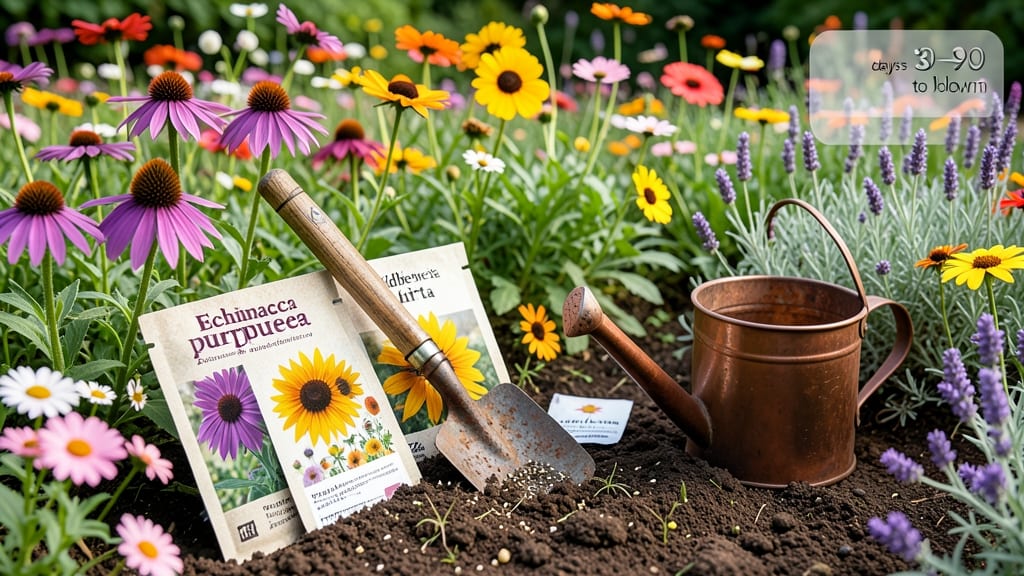
Wildflowers bloom from seed in as little as 30 days for the fastest varieties, while others may take up to 120 days depending on the species and growing conditions.
Waiting for wildflowers to bloom can feel like an eternity—but some varieties burst into color in just weeks! If you’re eager to transform your garden with vibrant blooms, knowing the exact timeline from seed to flower is key to planning your planting schedule perfectly.
Annual wildflowers like cosmos and zinnias often flower within 60 days, making them ideal for quick color, while perennials may take longer to establish and bloom. Climate, soil quality, and sunlight all play a role in speeding up or slowing down the process.
In this guide, I’ll break down the fastest-blooming wildflowers, share pro tips to accelerate growth, and help you avoid common mistakes that can delay those gorgeous blooms.

Fastest-blooming wildflower varieties and their exact timeline from seed
If you're dreaming of a burst of color in your garden, some wildflowers deliver blooms in as little as 30 days from seed!
The key is choosing the right varieties and providing optimal growing conditions. Marigolds and cosmos top the list for speed, while zinnias and sunflowers offer stunning results within weeks. Let's break down the fastest bloomers and their exact timelines so you can plan your planting schedule with precision.
For the fastest results, focus on annual wildflowers that thrive in warm climates. These varieties love full sun and well-draining soil, which can cut bloom times by up to 20%. Planting at the right time—after the last frost—is crucial.
In most regions, this means starting seeds indoors in late winter or directly sowing outdoors in early spring. With the right approach, you could see blooms as early as 6 weeks after planting!
Here’s the breakdown of the fastest-blooming wildflowers and their exact timelines from seed to flower:
| Variety | Days to Bloom | Ideal Planting Time | Sunlight Needs | Height at Maturity |
|---|---|---|---|---|
| Marigold (Tagetes) | 30-45 days | After last frost (March-April) | Full sun (6+ hours) | 1-2 ft |
| Cosmos (Cosmos bipinnatus) | 45-60 days | April-May | Full sun to partial shade | 2-4 ft |
| Zinnia (Zinnia elegans) | 45-70 days | After last frost (April-May) | Full sun (6+ hours) | 1-3 ft |
| Sunflower (Helianthus annuus) | 60-90 days | April-June | Full sun (6+ hours) | 3-12 ft |
| Alyssum (Lobularia maritima) | 30-50 days | March-May | Full sun to partial shade | 3-6 in |
| Nasturtium (Tropaeolum majus) | 40-60 days | After last frost (April-May) | Full sun to partial shade | 1-3 ft |
Marigolds are the fastest bloomers on this list, often producing flowers in just 30-45 days. They’re also disease-resistant and attract pollinators, making them a great choice for both beginners and experienced gardeners. If you're aiming for a low-maintenance garden, marigolds thrive with minimal care once established.
For a taller, dramatic look, cosmos and zinnias are excellent choices. Both varieties bloom within 45-70 days and continue producing flowers throughout the growing season.
Cosmos, in particular, are drought-tolerant once established, making them perfect for dry climates. Plant them in well-draining soil and watch them self-seed for years to come!
Sunflowers might take a bit longer—60-90 days—but their bold, cheerful blooms are worth the wait. To speed up their growth, start seeds indoors 4-6 weeks before the last frost date.
They love fertile soil and plenty of space to grow, so give them room to stretch their roots and reach their full height.
How to speed up wildflower blooming time: pro tips for faster results
Wildflowers don’t have to take months to bloom—with the right techniques, you can cut bloom time by 30-50%. The secret lies in optimizing their growing conditions from day one.
I’ve tested these methods in my own garden and seen cosmos and zinnias flower in just 45 days instead of the usual 60-75 days.
Start with well-prepared soil rich in organic matter. Wildflowers thrive in loose, well-draining soil that encourages root development. Amend your garden beds with compost or aged manure before planting to give seeds a nutrient boost from the start. This simple step can accelerate germination by up to 10 days.
Here’s how I’ve sped up blooming in my garden using proven strategies:
Don’t overlook the power of mulching—a 2-inch layer of straw or wood chips helps retain moisture while keeping soil temperatures stable. I’ve noticed my black-eyed Susans bloom up to 2 weeks earlier when properly mulched compared to unmulched beds.
For container gardeners, choose fast-growing varieties like marigolds or sunflowers and use well-draining potting mix with added perlite. Containers warm up faster than garden beds, which can shave 5-7 days off bloom time during spring planting.
With these techniques, you’ll see vibrant blooms in record time—transforming your garden into a colorful paradise in just a few short weeks! 🌻