
Blooming
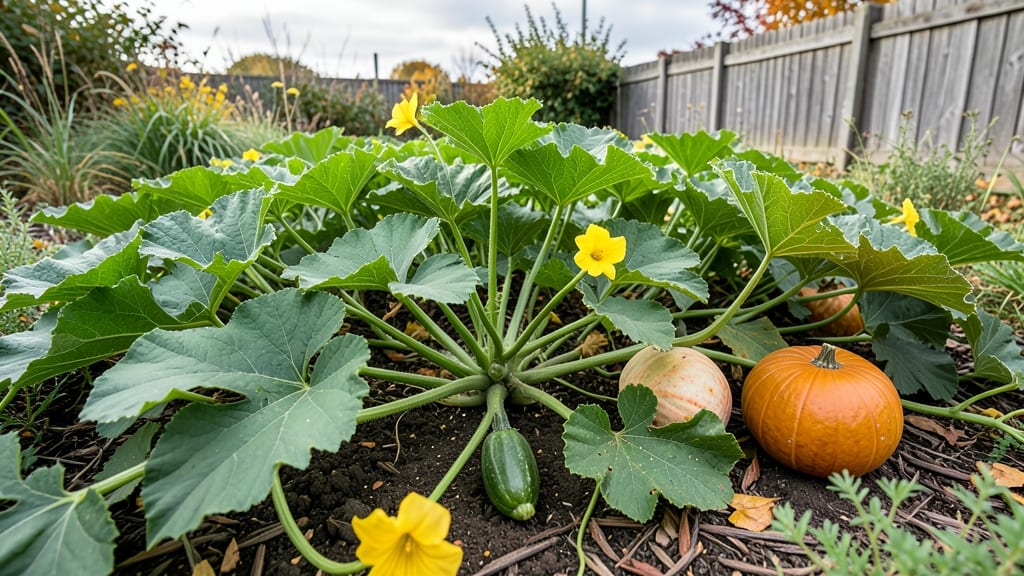
From pumpkin flower to ripe fruit takes 75 to 120 days depending on the variety, and knowing the exact stages helps you track progress like a pro.
Picture this: you’ve been waiting for those bright yellow blooms to appear, only to wonder how long until you can carve your first 🎃. The answer isn’t one-size-fits-all—some varieties mature in as little as 75 days, while others take nearly four months.
What you don’t know could mean the difference between a harvest and a missed opportunity.
This guide breaks down the timeline by variety, from pollination to that perfect hard rind, so you can set realistic expectations and troubleshoot delays. Whether you’re growing a Jack-O’-Lantern or a Sugar Pie, understanding the stages helps you intervene early if fruit isn’t setting.
You’ll learn how to spot the signs of healthy development, what environmental factors speed up or slow down ripening, and even how to give your pumpkins a little extra help if they’re lagging. Let’s get growing!
Pumpkin flower to fruit timeline: exact days by variety
If you've ever watched those stunning pumpkin flowers bloom and wondered, "How long until I get my pumpkin?"—you're not alone. The flower-to-fruit timeline varies wildly by variety, and understanding these differences helps you plan for a successful harvest.
Some varieties like Jack-O'-Lantern mature faster, while others like Cinderella take their sweet time. Let's break down the exact days you can expect from bloom to harvest for the most popular types.
First, it's important to note that the timeline starts the moment pollination occurs, not just when the flower opens. After successful pollination, the flower wilts, and the fruit begins developing.
The entire process—from pollination to a fully ripe pumpkin—can take anywhere from 75 to 110 days, depending on the variety and growing conditions. For example, Sugar Pie pumpkins are on the faster side, while giant varieties like Atlantic Giant need more time to reach maturity.
Here’s a quick reference table to help you track progress based on the variety you’re growing:
| Variety | Days to Maturity (Total) | Days from Flower to Fruit | Notes |
|---|---|---|---|
| Jack-O'-Lantern | 75-100 days | 45-60 days | Fast-maturing, ideal for short seasons |
| Sugar Pie | 80-90 days | 50-65 days | Sweet, small pumpkins perfect for pies |
| Cinderella | 90-110 days | 60-75 days | Medium-sized, great for carving |
| Small Sugar | 70-85 days | 40-55 days | Compact, ideal for containers |
| Atlantic Giant | 120-150 days | 80-100 days | Slow-growing, needs long season |
Once pollination happens, the first 14 days are critical for fruit set. During this time, the ovary swells into a tiny pumpkin, and the flower wilts. If you notice flowers dropping without fruit forming, it could signal pollination issues, often caused by lack of bees or poor weather.
After this initial phase, the pumpkin enters its rapid growth stage, where it can gain size quickly, especially with consistent water and nutrients.
The middle phase, spanning 15 to 45 days after pollination, is when the pumpkin undergoes its most dramatic growth. This is when you’ll see the fruit expand rapidly, often doubling or tripling in size. During this time, the rind hardens, and the pumpkin’s color deepens.
For varieties like Jack-O'-Lantern, this phase is shorter, while larger types like Atlantic Giant take longer to bulk up. Make sure to monitor for pests or diseases, as damage during this stage can stunt growth.
In the final 45+ days, the pumpkin shifts focus from growth to maturation. The rind becomes thicker and harder, and the stem dries out. This is when the pumpkin’s color fully develops—think deep orange for classic varieties or rich yellow for pie pumpkins.
The leaves near the pumpkin may also start to yellow and die back, a sign that the plant is redirecting energy to ripening the fruit. For varieties like Cinderella, this stage can take up to 30 days, so patience is key!
Environmental factors like temperature, humidity, and sunlight can also tweak these timelines. For example, hot, dry weather can speed up maturation, while cool, cloudy conditions may slow it down.
If you're growing pumpkins in a container or a shorter growing season, opt for faster-maturing varieties like Sugar Pie or Small Sugar to ensure you get a harvest before frost.
Pro tip: Keep a garden journal to track the exact days from flower to fruit for your specific variety. Note the date of pollination, any unusual weather, and how long it took for the pumpkin to reach maturity.
This will help you fine-tune your approach for next year’s garden and even predict harvest dates more accurately.
🌱
Key growth stages between flowering and pumpkin ripening
Once those vibrant yellow pumpkin flowers appear, you’re just days away from fruit—but not all stages are visible to the naked eye. Understanding the three critical phases between pollination and harvest helps you predict ripening and troubleshoot delays before they happen.
Each stage has unique visual cues and environmental needs that determine how quickly your pumpkins mature.
The journey from flower to pumpkin isn’t linear—it’s a race against time influenced by temperature, pollination success, and even your soil’s fertility. Skipping a stage or missing a cue can leave you wondering why your pumpkins aren’t setting or ripening as expected.
Let’s break down what happens in those 0 to 120 days and how to spot progress at each turn.
🌱 3 Critical Stages From Flower to Pumpkin
- 1 Post-Pollination (0-14 Days): Flowers wilt within 24 hours after successful pollination. Look for tiny green bumps forming at the base of the flower—this is your fruit set. Temperature drops below 70°F or pollen issues can stall this stage.
- 2 Fruit Development (15-45 Days): Pumpkins grow rapidly, turning from peach-colored to darker green. The stem hardens slightly, and vines thicken. Water stress or nutrient deficiencies here cause cracked or misshapen fruit.
- 3 Final Maturation (45+ Days): Rind hardens (test with a fingernail—it should not puncture easily), and the stem turns woody and brown. Leaves near the pumpkin yellow and die back. Overwatering or late-season heatwaves can delay this phase.
🌿 Pro Tip: Track your pumpkin’s growth by marking the stem with a waterproof pen—add 1 inch per week during Stage 2 if conditions are ideal.
During the post-pollination phase (0-14 days), the real magic happens underground. After a flower’s male and female parts are successfully pollinated (often by bees), the ovary swells into a tiny green bump within 48 hours.
This is your first sign of progress—ignore it, and you might miss the window to intervene if pollination fails. Cool nights or high humidity can slow this process, so keep an eye on your garden’s microclimate.
By day 15, your pumpkin enters the rapid growth phase, where size increases visibly. This is when color changes from pale green to the variety’s mature hue (e.g., deep green for Howden or orange for Jack-O’-Lantern). Consistent watering is critical—fluctuations cause blossom-end rot or cracked skin.
I once lost three pumpkins to uneven moisture; now I use a drip irrigation system for precision.
The final 45+ days are all about hardening. A ripe pumpkin’s rind should feel like a hard plastic when pressed.
The stem’s woody texture is your best indicator—run your thumb along it; if it’s dry and resists bending, it’s ready. Harvest too late, and pests or rot will ruin your pumpkin.
I harvest mine by cutting the stem with 2 inches of vine attached—this prevents decay at the stem end.
Environmental factors like daylength and temperature can shorten or extend these stages. For example, short-day varieties (like Cinderella) need 10+ hours of darkness to trigger maturation, while long-day varieties (like Sugar Pie) thrive in 14+ hours of light.
If your pumpkins stall, check your local sunlight hours and adjust planting dates accordingly.
Knowing these stages turns guesswork into garden confidence. Next time you see those first green bumps, you’ll celebrate the start of a 75-120 day journey—not just hope for the best. Happy growing! 🎃