
Propagation
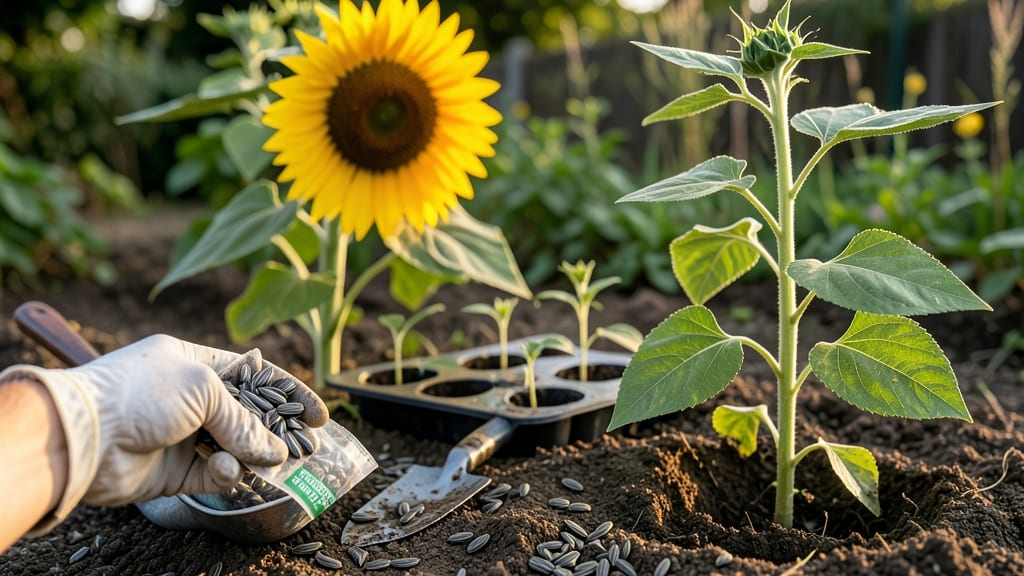
Growing sunflowers from seed to their towering 🌻 glory takes anywhere from 60 to 120 days, depending on the variety and growing conditions—but the real magic happens in those first few weeks.
Picture this: you tuck a seed into the soil in early spring, and by midsummer, you’re staring up at a 12-foot sunflower that looks like it’s reaching for the sky.
That speed isn’t just luck—it’s science, and knowing the timeline helps you set realistic expectations (and avoid overwatering seedlings that haven’t even sprouted yet).
Most sunflowers hit their first true leaves in 7 to 14 days, then bolt upward like a race toward the sun.
Dwarf varieties may bloom in as little as 60 days, while giant ones take closer to 120 days—but every stage, from germination to that first golden bloom, is worth watching.
In this guide, I’ll break down the exact growth stages, the factors that speed things up (or slow them down), and how to tell when your sunflowers are on track—or when to troubleshoot. Ready to grow your own sunflower giants?


Sunflower growth timeline: seed to flower by month (with variety-specific estimates)
Watching a sunflower grow from a tiny seed to a towering 16-foot giant is one of gardening’s most rewarding experiences. But how long does it really take?
The answer varies dramatically based on whether you’re growing a dwarf variety (like 'Teddy Bear') or a giant Russian mammoth, plus your local climate. Let’s break it down month by month so you know exactly what to expect—and when to celebrate those first golden blooms!
Most sunflowers follow a predictable growth pattern: germination (1-2 weeks), vegetative growth (4-8 weeks), and flowering (2-4 weeks). However, giant varieties can take up to 120 days from seed to bloom, while dwarf sunflowers may flower in as little as 50 days.
Your location’s last frost date and summer heat will also play a huge role in speeding up or slowing down progress.
Here’s a variety-specific timeline to help you track your sunflowers’ progress. From the first sprouts to those iconic yellow faces turning toward the sun, we’ll cover what to watch for each month—and how to keep your plants on track for the fastest, healthiest growth possible.
Let’s start with the first critical phase: germination. If you’re planting in spring (April-May) after the last frost, expect your dwarf sunflowers to sprout in just 5-14 days, while giant varieties may take up to 21 days to crack through the soil.
The key here is consistent moisture—keep the soil 60-70°F and evenly damp (not soggy) to encourage quick sprouting. If your soil is too cold (<50°F), germination can stall for weeks.
Once sprouted, your seedlings will enter the seedling growth stage, where those first cotyledons
5 Critical factors that speed up or slow down sunflower growth (and how to optimize them)
Sunflowers grow at an impressive pace, but their speed depends on five key factors you can control. From soil warmth to sunlight exposure, each element plays a crucial role in whether your plants reach their full potential in 60 days or linger for months.
Let’s break down how to optimize these variables to get those towering blooms faster—and avoid common pitfalls like leggy stems or delayed flowering.
First, soil temperature is non-negotiable. Sunflower seeds need soil that’s at least 55°F (13°C) to germinate, but they thrive best when soil reaches 70-80°F (21-27°C). Cold soil slows growth by 30-50%, turning your 60-day timeline into a 90-day wait.
Use a soil thermometer to check—if it’s too cool, consider black plastic mulch to warm it up faster.
Sunlight exposure is another game-changer. Sunflowers demand 6-8+ hours of direct sunlight daily, but they’ll stretch and weaken (a condition called etiolation) if deprived. Plant them in the sunniest spot in your garden, and avoid shading from trees or structures. Even partial shade can delay flowering by 2-3 weeks, so prioritize full sun for the fastest results.
🌱 5 Critical Factors for Sunflower Growth Speed
- Soil Temperature: Aim for 70-80°F (21-27°C) for fastest germination and growth.
- Sunlight Exposure: 6-8+ hours of direct sun daily—no compromises!
- Watering Schedule: Deep watering 2-3x per week (morning only) prevents stress.
- Spacing: 12-24 inches apart reduces competition and speeds up stem growth.
- Fertilizer Type: Use balanced 10-10-10 at planting and flowering stages.
Your watering schedule can make or break sunflower growth. Overwatering causes root rot, while underwatering stresses plants and stunts them. Aim for deep watering 2-3 times per week, focusing on the root zone.
Water in the morning to reduce fungal risks and let foliage dry quickly. Once established, sunflowers are drought-tolerant, but young seedlings need consistent moisture to avoid wilting.
Proper spacing is often overlooked but critical. Crowded sunflowers compete for nutrients and sunlight, leading to leggy, weak stems and delayed flowering. Space dwarf varieties 12 inches apart and taller types 24 inches apart.
If you’re growing them in containers, use at least a 5-gallon pot per plant to prevent root binding, which slows growth by up to 40%.
Finally, fertilizer type and timing matter. Sunflowers don’t need heavy feeding, but a balanced 10-10-10 fertilizer at planting and again when buds form encourages faster growth. Avoid high-nitrogen fertilizers—they promote leafy growth at the expense of flowers.
Instead, focus on phosphorus and potassium to boost blooming. Side-dress with compost mid-season for a gentle nutrient boost without risking over-fertilization.
By optimizing these five factors, you’ll see sunflowers reach maturity in as little as 60-70 days (for dwarf varieties) or 90-120 days (for giants). Skip even one, and you might be waiting months longer—or worse, dealing with floppy stems or no flowers at all.
Start with soil warmth and sunlight, then fine-tune the rest, and you’ll have a garden full of sunflowers in record time! 🌻