
How To
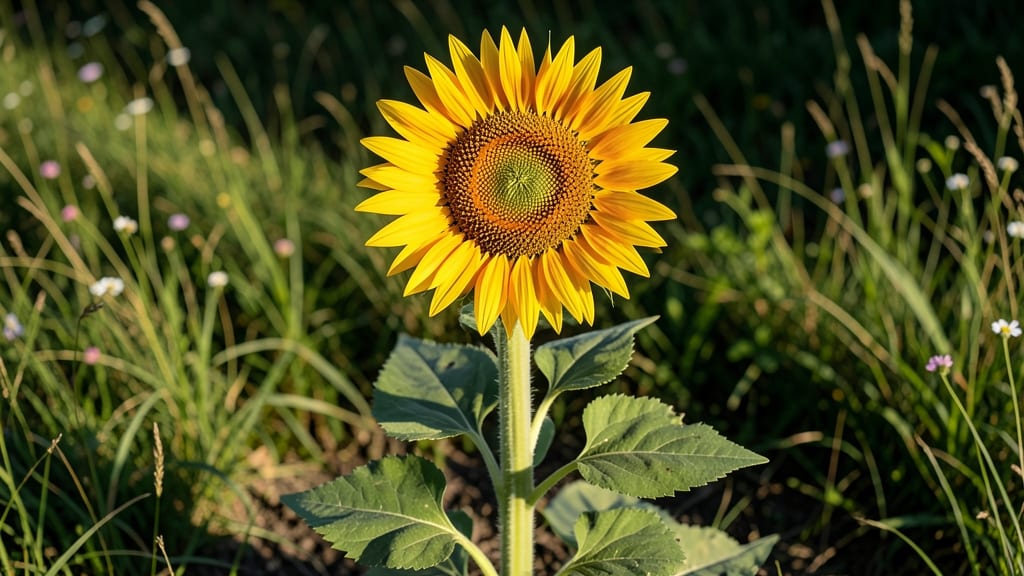
Sunflowers can grow to 16 feet tall—taller than most people and rivaling small trees—if you plant the right variety and give them ideal conditions.
Imagine towering 🌻 stalks reaching higher than your house, their massive blooms tracking the sun like nature’s skyscrapers. But not all sunflowers hit those heights—some stay compact, while others stretch skyward with the right care.
Whether you’re dreaming of a backyard giant or just curious about their growth potential, knowing the tallest varieties and how to nurture them is the key to unlocking their full height.
Growing a 12-foot sunflower isn’t just about luck—it’s about choosing the right seeds, like the legendary 'Russian Giant' or 'Mammoth,' and giving them the perfect mix of sunlight, soil, and space.
Without these basics, even the tallest varieties will struggle to reach their potential, leaving you with a disappointment instead of a sunlit spectacle.
In this guide, I’ll break down the tallest sunflower varieties, share proven tips to maximize their height, and walk you through each growth stage so you can watch your sunflowers climb toward the sky—no green thumb required.


Sunflower height records: tallest varieties that surpass 12 feet
If you've ever dreamed of growing sunflowers taller than a basketball hoop, you're in luck—some varieties reach 14 to 16 feet or more! These towering giants aren't just impressive; they're perfect for creating a dramatic focal point in your garden or even shading smaller plants below.
The key to unlocking their full potential lies in choosing the right variety and providing ideal growing conditions. Let's explore the tallest sunflower varieties and what it takes to grow them to their maximum height.
Most gardeners are familiar with standard sunflowers that top out around 5 to 6 feet, but the real giants—like the 'Russian Giant' or 'Mammoth'—can grow 3 to 4 times taller.
These varieties aren't just about height; they also produce massive flower heads that can weigh 2 to 4 pounds each! However, their impressive size requires careful planning, from soil preparation to staking, to ensure they grow strong and straight rather than flopping over.
| Variety | Mature Height | Flower Head Size | Growth Rate | Stalk Strength |
|---|---|---|---|---|
| Russian Giant | 14–16 ft | 12–16 in diameter | 3–4 ft/month | Very Strong |
| Mammoth | 12–14 ft | 10–14 in diameter | 2.5–3.5 ft/month | Strong |
| Giant Russian | 13–15 ft | 14–18 in diameter | 3–4 ft/month | Very Strong |
| American Giant | 10–12 ft | 8–12 in diameter | 2–3 ft/month | Moderate |
| Colossus | 12–14 ft | 10–14 in diameter | 3 ft/month | Strong |
The 'Russian Giant' variety holds the record for the tallest sunflower ever grown, reaching an astonishing 16 feet in ideal conditions. This variety is known for its rapid growth rate of 3 to 4 feet per month, making it one of the fastest-growing sunflowers.
Its massive flower heads can reach 16 inches in diameter, making them a true spectacle. If you're aiming for the tallest possible sunflowers, this is the variety to plant.
For gardeners who want a slightly more manageable height but still impressive, the 'Mammoth' variety is an excellent choice. It typically grows between 12 to 14 feet and produces flower heads that are almost as large as the 'Russian Giant.'
The 'Mammoth' variety also has a strong stalk, reducing the need for extensive staking. This makes it a great option for gardeners who want a balance between height and ease of care.
Soil quality plays a critical role in determining how tall your sunflowers will grow. These giants thrive in well-draining, nutrient-rich soil with a pH between 6.0 and 7.0. Before planting, amend your soil with compost or aged manure to provide the necessary nutrients.
Additionally, ensure your soil is loose and aerated to encourage deep root growth, which is essential for supporting the plant's impressive height.
Sunlight is another non-negotiable factor for growing tall sunflowers. These varieties require at least 6 to 8 hours of direct sunlight daily to reach their full potential. Without adequate sunlight, their growth will be stunted, and their stalks may become weak and prone to bending.
If you're planting in a location with partial shade, consider using a reflective surface or growing them in a sunnier area of your garden.
Watering is often overlooked but is crucial for maximizing height. Giant sunflowers need consistent moisture, especially during their rapid growth phase. Water deeply 2 to 3 times per week, ensuring the soil stays moist but not waterlogged.
Overwatering can lead to root rot, while underwatering can stunt growth. Mulching around the base of the plant helps retain moisture and keeps the roots cool, which is particularly important during hot summer months.
Staking is often necessary to prevent tall sunflowers from toppling over, especially in windy conditions. Use bamboo stakes or sturdy garden stakes that are at least 6 to 8 feet tall and tie the main stem loosely with soft plant ties or old fabric strips.
Avoid using wire ties, as they can damage the stalk as it grows. Staking not only supports the plant but also encourages it to grow straight and strong.
Finally, be patient! Giant sunflowers take time to reach their full height. From seed to maturity, it typically takes 80 to 100 days, depending on the variety and growing conditions. During this time, monitor your plants for pests like aphids
How to grow sunflowers over 10 feet: pro tips for giant growth
To grow sunflowers that reach over 10 feet tall, you need more than just the right seeds—you need the perfect growing conditions.
The 'Russian Giant' variety, for example, can stretch up to 16 feet with ideal care, but most gardeners miss out because they overlook key details like soil prep, spacing, and support.
I’ve grown towering sunflowers in my garden, and the difference between a 6-foot plant and a 12-foot giant comes down to a few critical steps. Start with nutrient-rich soil mixed with compost, and give your plants at least 6 hours of direct sunlight daily.
Skipping these basics will leave your sunflowers struggling to reach their full potential.
⚠️ Common Mistakes That Stunt Growth
Overcrowding your sunflowers by less than 2 feet apart forces them to compete for nutrients, slowing height growth. Poor drainage from heavy clay soil can also rot roots before they reach their peak. Even inconsistent watering causes stunted growth—sunflowers need deep, regular watering to fuel their rapid ascent.
For maximum height, plant your sunflowers in well-draining soil with a pH between 6.0 and 7.5. Amend your soil with aged compost or organic matter to ensure it’s rich in nutrients. I recommend testing your soil before planting—low fertility will leave your sunflowers weak and short.
Watering is another game-changer. Sunflowers need 1-2 inches of water per week, especially during their rapid growth phase. Water deeply in the morning to reduce evaporation and prevent fungal diseases. Avoid wetting the leaves, as this can lead to powdery mildew, which weakens the plant.
Staking is essential for sunflowers over 8 feet tall. Use bamboo stakes or tomato cages to support the stalks, especially in windy areas. I tie the stems loosely with soft plant ties every 2-3 feet to prevent damage.
Without support, tall sunflowers can bend or snap under their own weight.
Pruning isn’t just for shaping—it can boost height! Remove any side shoots that form below the main stem to redirect energy upward. I also pinch off the first few buds to encourage a single, stronger stalk.
This technique helps your sunflower focus its energy on growing taller rather than branching out.