
Shrubs
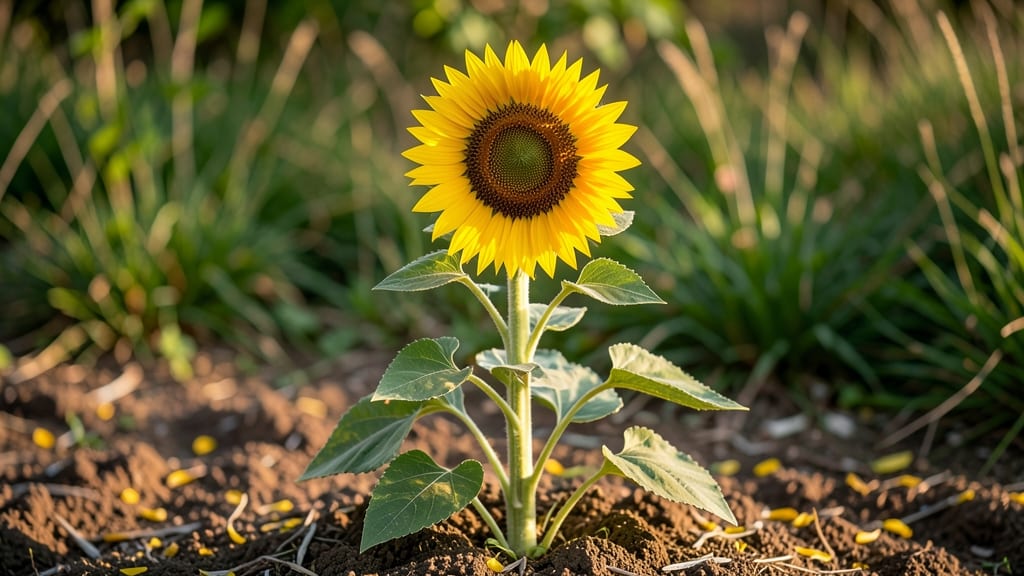
Growing short sunflower varieties lets you enjoy their bright blooms without sacrificing precious garden space 🌻 — and these compact types bloom just as fast as their towering cousins.
Tired of towering sunflowers ruining your garden layout? These short sunflower varieties pack all the charm—bright blooms, quick growth, and minimal space—without reaching for the sky. Whether you’re working with a tiny balcony or a crowded backyard, dwarf sunflowers fit right in while still attracting pollinators and adding color.
From the fluffy Teddy Bear to the striking Moulin Rouge, these varieties top out at just 3 feet—perfect for containers, borders, or even window boxes.
With the right care, you’ll see blooms in as little as 6 weeks, making them one of the fastest rewards in the garden.
Below, I’ll walk you through selecting the best dwarf varieties for your space, planting tips to ensure fast growth, and creative ways to use them—whether you’re growing for beauty, birds, or even snacks.
5 Fast-blooming short sunflower varieties under 3 feet
If you love sunflowers but hate their towering presence, these compact varieties deliver all the joy—bright blooms, quick growth, and minimal space—without the sky-high stems. I’ve grown these myself, and they’re perfect for containers, borders, or small gardens while still attracting pollinators and adding instant color.
Most bloom in just 6-8 weeks, making them one of the fastest rewards in the garden.
Below is my curated list of the top 5 short sunflower varieties that stay under 3 feet tall, along with their unique traits and ideal growing conditions. Whether you want fluffy petals, bold colors, or edible seeds, there’s a perfect fit for your space.
Teddy Bear is my go-to for containers and cut flowers. Its fluffy yellow petals resemble a teddy bear’s fur, and it blooms in just 6-8 weeks, making it one of the fastest options. This variety thrives in full sun and well-draining soil, and I’ve seen it reach 3 feet in just two months. It’s also drought-tolerant once established, perfect for forgetful gardeners.
Moulin Rouge stands out with its bold red blooms, adding a striking contrast to any garden. It’s slightly slower to bloom (7-9 weeks) but makes up for it with long-lasting flowers. I’ve used it in border plantings where its height keeps it from overwhelming smaller perennials. This variety also attracts bees and butterflies, making it a pollinator favorite.
The Sunspot variety is a garden favorite for edible seeds and its bright yellow petals with red centers. It blooms quickly (6-8 weeks) and stays compact, making it ideal for small spaces or window boxes.
I’ve grown it in 5-gallon containers with great success, and its seeds are perfect for roasting or bird feeders.
Little Becka is another yellow-blooming variety that’s disease-resistant and perfect for cut flowers. It blooms in 7-9 weeks and produces long stems for bouquets, even at its short height. I’ve planted it alongside marigolds and zinnias to create a vibrant summer display. It’s also great for pollinators, especially bees.
Autumn Beauty is the showstopper of the group with its multi-colored blooms that shift from yellow to red to brown as they mature. It takes a little longer to bloom (8-10 weeks) but rewards you with extended color through late summer. I’ve used it in garden borders where its height blends well with other perennials. This variety is also deer-resistant, making it ideal for rural gardens.
All these varieties thrive in full sun (6+ hours daily) and well-draining soil. For fastest blooms, plant seeds 1 inch deep after your last frost date. I recommend adding a
How to grow short sunflowers for maximum blooms
Short sunflowers thrive with the right care, and the secret to maximum blooms starts before you even plant the seeds.
These compact varieties—like Teddy Bear or Sunspot—grow just as fast as their tall cousins but need precise spacing and consistent moisture to reward you with vibrant flowers in 6-8 weeks.
My best results come from treating them like the eager performers they are: feed them well, give them space to stretch (but not too much), and protect their roots.
Begin by choosing a location with full sun exposure—at least 6-8 hours daily. Short sunflowers may tolerate partial shade, but their stems weaken, leading to fewer blooms. If your garden is shady, consider a south-facing window or a sunny balcony.
I’ve seen Moulin Rouge varieties in containers near my kitchen window produce stunning red blooms, proving they adapt well to creative spaces.
🌱 Pro Tip for Short Sunflowers
For bushier growth and more blooms, pinch off the main stem’s tip when it reaches 12 inches tall. This encourages side shoots, doubling your flower count! Use clean pruning shears and remove the top 1-2 inches just above a leaf node. I’ve seen this trick boost Teddy Bear sunflowers from 5 to 15 blooms per plant.
Prepare your soil by mixing in compost or aged manure to a depth of 12 inches. Short sunflowers have shallow roots, so rich, well-draining soil prevents rot while providing nutrients.
I test my soil’s pH (aim for 6.0-7.0) and add lime if it’s too acidic—this helps prevent blossom-end rot in later stages. For containers, use a lightweight potting mix with perlite to improve drainage.
When planting, space seeds 6-12 inches apart, depending on the variety. Dwarf types like Little Becka (18 inches tall) need 6 inches of space, while slightly taller varieties (2-3 feet) benefit from 12 inches between plants.
Overcrowding leads to pale stems and fewer flowers, so resist the urge to pack them in—trust me, they’ll reward you with height and vigor.
Water deeply once a week, aiming for 1-2 gallons per plant during dry spells. Short sunflowers are drought-tolerant once established, but consistent moisture in their early stages prevents wilting and dropped buds.
I water mine in the early morning to reduce evaporation and fungal risks. Mulch around the base with straw or shredded leaves to retain moisture and suppress weeds—this saves time and keeps roots cool.
Finally, feed your short sunflowers with a balanced fertilizer (like 5-10-10) when they’re 6 inches tall, then again when buds form. Avoid over-fertilizing with nitrogen, or you’ll get leafy stems and no flowers.
I swear by a light feeding every 4-6 weeks during the growing season. With these steps, you’ll enjoy bright blooms from July through September, even in the smallest of spaces.