
Flowers
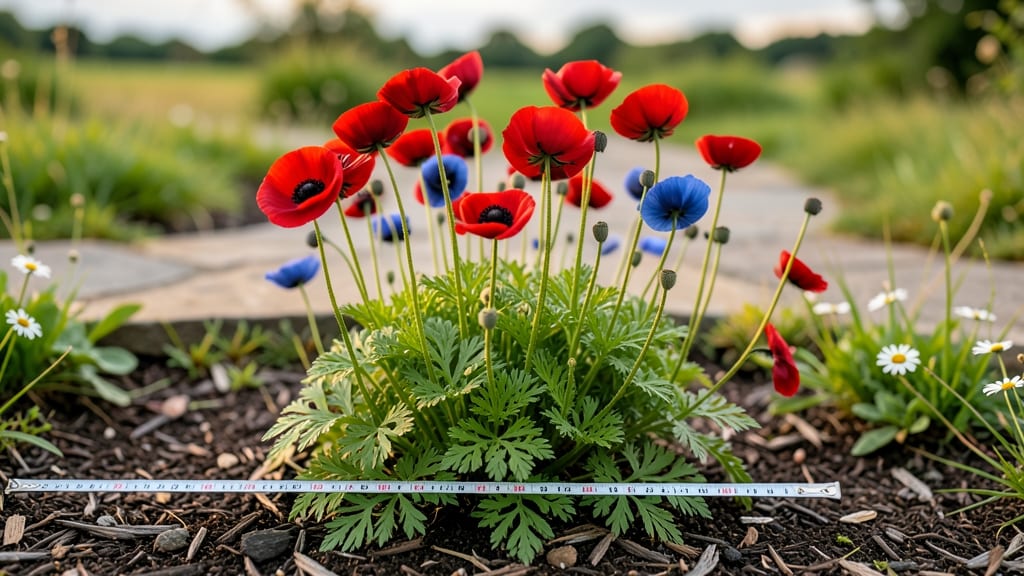
Anemone flowers grow anywhere from 1 to 3 feet tall, depending on the variety and growing conditions, making them a versatile choice for almost any garden space.
If you’re dreaming of adding these delicate blooms to your landscape but aren’t sure whether they’ll fit in a small border or dominate a larger bed, the answer lies in their surprising height range.
Some varieties, like the dwarf windflowers, stay compact at just 1 foot tall, while others, such as the towering Japanese anemone, can reach nearly 3 feet.
This variety in height means you can use anemones for everything from container gardens to backyard borders, as long as you pick the right type for your space. The key to maximizing their height—and ensuring healthy growth—lies in soil prep, sunlight, and proper spacing.
In this guide, I’ll break down the exact height ranges by variety, share pro tips for controlling growth, and show you how to pair them with other plants for stunning visual impact.


Anemone flower height ranges by variety type: a complete size guide
Anemone flowers are famous for their delicate blooms and late-season color, but their height can vary dramatically depending on the variety. If you're planning your garden layout, knowing these height differences will help you choose the perfect spot for each type.
Some varieties stay low and bushy, while others reach impressive heights, making them ideal for back borders or cut flower arrangements.
Let’s break down the three main anemone categories: Japanese anemones, windflower anemones, and hybrid varieties. Each group has distinct height ranges, so you can pick the perfect fit for your garden design—whether you need a dwarf variety for containers or a tall-growing type for drama.
| Variety Type | Height Range | Best Uses |
|---|---|---|
| Japanese Anemones (e.g., 'Honorine Jobert') | 3-5 ft (tallest varieties) | Back borders, cut flowers, woodland gardens |
| Japanese Anemones (dwarf varieties, e.g., 'Prince Henry') | 1.5-2.5 ft | Containers, front borders, mixed beds |
| Windflower Anemones (e.g., 'De Caën' series) | 1-2 ft | Rock gardens, borders, cottage gardens |
| Hybrid Anemones (e.g., 'Bridal Veil') | 2-3 ft | Mixed perennial beds, cut arrangements |
| Dwarf Anemones (e.g., 'Mount Everest') | 1-1.5 ft | Containers, window boxes, alpine gardens |
Japanese anemones are the tallest group, with varieties like 'Honorine Jobert' reaching 4-5 feet at maturity. These are perfect for adding vertical interest to the back of your garden or as cut flowers for late-season arrangements. Their dark green foliage and pink or white blooms provide year-round structure.
In contrast, windflower anemones (like the 'De Caën' series) stay much shorter, typically between 1-2 feet. These compact varieties are ideal for rock gardens or front borders, where their delicate blooms add charm without overwhelming smaller spaces. They’re also great for container gardening on patios or balconies.
Hybrid anemones, such as 'Bridal Veil', offer a middle ground with heights of 2-3 feet. These versatile plants thrive in mixed perennial beds and can also be used as cut flowers. Their semi-double blooms and long vase life make them a favorite for floral designers.
For gardeners with limited space, dwarf varieties like 'Mount Everest' are a game-changer. These stay under 1.5 feet tall, making them perfect for window boxes, containers, or even alpine gardens.
Their small size doesn’t mean small impact—these anemones pack a punch with their bright white flowers and long bloom season.
When planning your garden, consider the mature height of each variety alongside your garden layout. Tall anemones need space to avoid shading smaller plants, while dwarf varieties can be tucked into tight spots or used as edging plants.
Always check the spacing recommendations on seed packets or plant tags to ensure healthy growth.
Pro tip: If you’re growing anemones in containers, choose dwarf varieties or prune taller types to keep them manageable. Use well-draining soil and ensure they get partial shade to prevent legginess. With the right care, even the tallest anemones will reward you with stunning blooms all season long.
Now that you know the height ranges, you can confidently select anemones that fit your garden’s vision—whether you want a dramatic backdrop or a compact pop of color. Happy planting! 🌷
How to choose Anemone varieties based on garden space and design needs
Choosing the right anemone variety for your garden isn’t just about their stunning blooms—it’s about matching their height and growth habits to your space. Whether you have a cozy container garden or a sprawling woodland border, there’s an anemone perfect for every design need.
The key is understanding how each type fits into your layout, from dwarf varieties that stay under 1 foot to tall Japanese anemones that reach nearly 3 feet.
For small gardens or containers, opt for compact varieties like Anemone blanda (windflower), which tops out at just 8-12 inches. These are ideal for rock gardens or as a colorful border along pathways.
Meanwhile, Japanese anemones (Anemone × hybrida), which grow 2-3 feet tall, shine in backyard borders or as dramatic focal points in mixed perennial beds.
Here’s how to match anemones to your garden’s design needs, including spacing tips and companion plants for maximum impact:
- 1. For Containers: Choose dwarf windflowers (Anemone blanda) (6-12" tall) or Anemone coronaria (12-18"). Pair with thyme or ornamental grasses for contrast.
- 2. For Woodland Gardens: Select Anemone nemorosa (12-18" tall) or Anemone sylvestris (24-36"). Plant with hostas, ferns, or astilbes for a natural woodland feel.
- 3. For Backyard Borders: Use Japanese anemones (2-3' tall) like 'Honorine Jobert' or 'Queen Charlotte'. Space 18-24" apart for full coverage.
- 4. For Mixed Perennial Beds: Plant tall anemones (24-36") behind shorter perennials like black-eyed Susans or coneflowers to create depth.
- 5. For Cut Flowers: Grow Anemone hupehensis (3-4' tall) or Anemone × hybrida varieties. Stake stems early to prevent flopping.
When designing with anemones, always consider their maturity height and how they’ll interact with neighboring plants. For example, Japanese anemones with their arching stems can create a soft, romantic look when planted in groups of 3-5. In contrast, windflowers thrive in clusters of 9-12 for a carpet effect in borders.
Pro tip: If you’re working with limited space, prune back tall varieties in early spring to encourage bushier growth. This works especially well for Japanese anemones in containers, keeping them under 2 feet tall. Pair them with low-growing ajuga or creeping thyme to fill gaps and add texture.
For a woodland garden vibe, combine Anemone nemorosa with bleeding hearts and lungwort. The delicate blooms of anemones will peek through the foliage, creating a natural, layered effect.
In full-sun borders, Japanese anemones pair beautifully with rudbeckias or sedum, offering late-season color when many other perennials fade.
Remember, anemones reward patience—many varieties take 2-3 years to reach their full height and bloom potential. Start small, experiment with different varieties, and let their elegant, airy blooms transform your garden into a seasonal masterpiece. 🌿