
Flowers
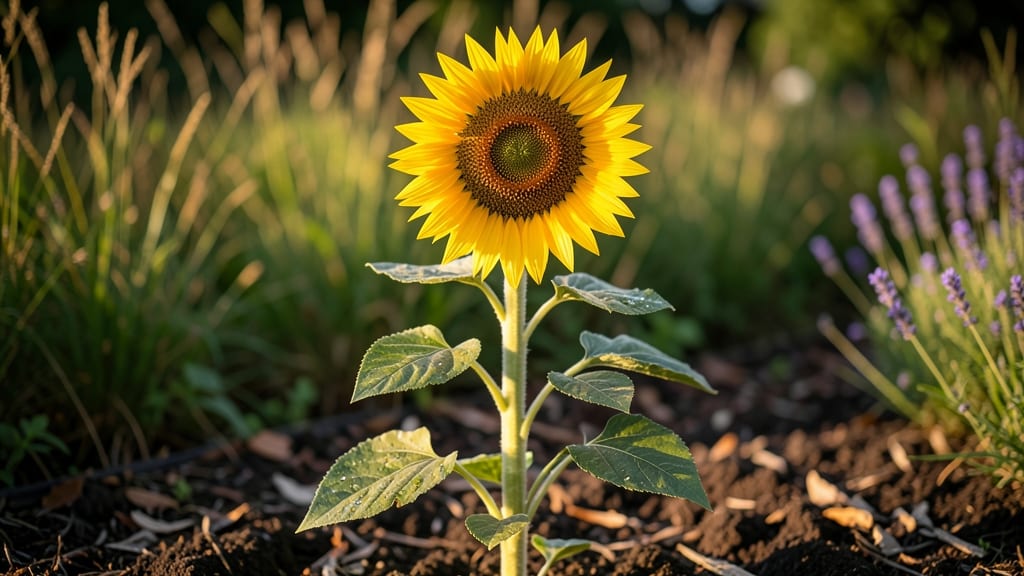
Mammoth sunflowers can grow 12 to 16 feet tall—taller than most gardeners expect, and often as tall as a two-story building!
If you’ve ever dreamed of sunflowers towering over your garden fence—or even your house—Mammoth sunflowers might be your perfect match. But before you plant, knowing exactly how tall these giants can grow (and which varieties reach the sky) is essential for planning your space and soil needs.
These towering beauties thrive in full sun and well-drained soil, but their height depends on the variety, spacing, and support. Some, like 'Russian Giant,' can stretch 14 to 16 feet, while others stay closer to 10 to 12 feet.
Without proper staking, strong winds can snap their stems, so preparation is key.
Below, I’ll break down the height ranges by variety, share tips for maximizing growth, and help you choose the right type for your garden—whether you’ve got a small yard or wide-open space.


Mammoth sunflower height comparison by variety: from 10 to 16 feet tall
If you're planning a sunflower garden that makes a bold statement, Mammoth sunflowers are the stars of the show. These towering beauties can reach heights that rival small trees, but not all varieties grow to the same sky-scraping heights.
Understanding the height ranges of popular Mammoth sunflower varieties helps you choose the perfect one for your space, whether you have a sprawling backyard or a cozy container garden.
From the Russian Giant, known for its dramatic 12–14-foot stature, to the Mammoth variety that can soar up to 16 feet, each type brings its own grandeur. But height isn't the only factor—spacing requirements and growth patterns also play a critical role in ensuring your sunflowers thrive.
Let’s break down the specifics so you can plant with confidence and watch your garden grow vertically!
| Variety | Mature Height | Spacing Needs | Growth Pattern |
|---|---|---|---|
| Russian Giant | 12–14 ft | 24–36 inches apart | Fast vertical growth, sturdy stem |
| Mammoth | 14–16 ft | 36–48 inches apart | Rapid height increase, may need staking |
| Autumn Beauty | 10–12 ft | 18–24 inches apart | Slower growth, compact flower heads |
| Giant Russian | 10–14 ft | 24–30 inches apart | Moderate growth, sturdy and reliable |
| American Giant | 12–15 ft | 30–36 inches apart | Fast and tall, needs strong support |
When selecting a variety, consider your garden’s available space and wind exposure. Taller varieties like the Mammoth or American Giant need ample room to avoid crowding, which can stunt growth. For smaller gardens, the Autumn Beauty offers a more manageable height while still making a striking impact.
Spacing is crucial for optimal growth. Planting sunflowers too closely can lead to competition for nutrients and sunlight, resulting in weaker stems and shorter heights. Follow the recommended spacing in the table above to give each plant room to stretch toward the sky.
For example, the Mammoth variety, which can reach up to 16 feet, needs at least 36 inches of space to avoid overcrowding.
Growth patterns also vary by variety. Some, like the Russian Giant, grow quickly and develop sturdy stems that require minimal support. Others, such as the Mammoth, may need staking or trellising to prevent toppling in windy conditions.
Pay attention to these details to ensure your sunflowers grow as tall as possible without risking damage.
If you're growing Mammoth sunflowers in containers or small spaces, choose a shorter variety like Autumn Beauty or consider pruning taller varieties to control their height. Pruning isn’t just for aesthetics—it can also encourage bushier growth and larger flower heads.
Just be sure to prune early in the season to avoid stunting the plant’s vertical development.
For those in windy climates, taller varieties may need extra support. Install stakes or cages at planting time to provide stability as the plants grow. This is especially important for varieties like the American Giant, which can reach heights comparable to a small tree.
Without support, these giants might lean or snap under strong winds, ruining their majestic appearance.
One common misconception is that all Mammoth sunflowers grow to the same height. In reality, their mature heights can vary by 2–4 feet depending on the variety, growing conditions, and care.
For instance, a Russian Giant might only reach 12 feet in a cooler climate, while the same variety could soar to 14 feet in a warm, sunny location with rich soil. This variability is why understanding your local growing conditions is key to achieving the tallest possible sunflowers.
To maximize height, focus on providing well-draining soil, consistent moisture, and full sun exposure. Mammoth sunflowers thrive in USDA zones 4–9 and prefer
How to maximize Mammoth sunflower growth: soil, sun, and support tips
To coax your Mammoth sunflowers to reach their 12–16-foot potential, focus on three critical factors: nutrient-rich soil, full-sun exposure, and proper structural support. These giants won’t just grow tall—they’ll thrive when given the right conditions. Let’s break down how to set them up for sky-high success.
First, your soil preparation sets the foundation. Mammoth sunflowers crave loose, well-draining soil with a pH between 6.0–7.0. Amend heavy clay or sandy soil with compost or aged manure to improve texture and fertility.
A balanced fertilizer (10-10-10) applied at planting and again when stems reach 3 feet tall will fuel rapid growth without excessive leafy top growth.
⚠️ WARNING: Common Mistake Alert! Overcrowding and poor soil drainage are the #1 reasons Mammoth sunflowers fail to reach their full height. Plant seeds 1 inch deep and 6–12 inches apart (depending on variety).
If your soil feels compacted, add perlite or coarse sand to prevent root suffocation. Without proper spacing, stems compete for nutrients, resulting in stunted, weak growth that topples easily in wind.
Next, sunlight exposure is non-negotiable. These sun-worshippers need at least 6–8 hours of direct sunlight daily—more is better for maximum height. If your garden gets partial shade, consider reflective surfaces (like white mulch or a nearby fence) to bounce extra light onto the plants.
I’ve seen Mammoth Russian varieties grow 3 feet taller in full sun compared to partial shade.
Watering follows a simple rule: deep and infrequent. Young seedlings need consistent moisture to establish roots, but once stems reach 2 feet tall, let the top inch of soil dry between waterings.
Overwatering leads to root rot, while underwatering causes wilting and stunted growth. Water at the base of the plant in the morning to reduce fungal risks and evaporation.
Finally, structural support is essential for preventing toppling. Use bamboo stakes or metal cages inserted 6–8 inches deep at planting. Tie stems loosely with soft plant ties every 2–3 feet as they grow.
For extra stability, plant in groups of 3–5—their combined weight creates a natural windbreak. I’ve seen 14-foot sunflowers survive summer storms with this method!
With the right soil prep, sun exposure, and support system, your Mammoth sunflowers will reach their full 16-foot potential—turning your garden into a sunflower skyline.
Just remember: patience is key. These giants grow 2–3 inches per day at peak speed, so resist the urge to rush their progress.