
Flowers
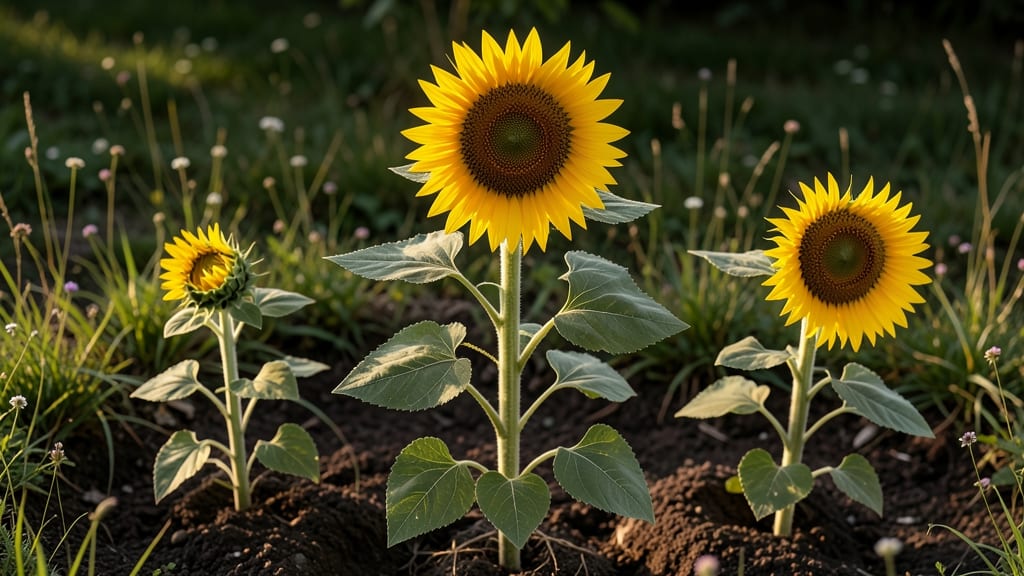
Sunflowers grow to heights ranging from 1 foot to towering 16 feet, depending on the variety and growing conditions you provide.
Picture this: one minute you’re admiring a cheerful dwarf sunflower in a patio pot, and the next, a giant Russian Giant is blocking your view of the backyard fence. That’s the wild range you’re dealing with—so choosing the right type for your space is key.
Most gardeners assume all sunflowers reach sky-high proportions, but the truth is far more flexible. Dwarf varieties stay under 3 feet, while standard types climb to 6–12 feet, and the real giants can stretch beyond 14 feet with proper care.
In this guide, I’ll break down the height ranges by variety, share spacing tips to avoid overcrowding, and explain how sunlight, soil, and watering can push your sunflowers to their full potential—or keep them compact for small gardens.


Sunflower height ranges by variety: from dwarf to giant types
Sunflowers are one of nature’s most dramatic plants, offering a stunning range of heights that can completely reshape your garden’s look. Whether you’re dreaming of whimsical dwarf varieties for containers or towering giants that reach skyscraper heights, choosing the right type is key.
The height differences aren’t just about aesthetics—they also impact spacing, sunlight needs, and even how you harvest seeds. Let’s explore the three main categories: dwarf, medium, and giant sunflowers, complete with iconic examples to help you visualize their impact.
Dwarf sunflowers are the perfect choice for small spaces, balconies, or even indoor growing. These compact beauties typically reach heights between 12 and 36 inches, making them ideal for container gardening or adding a pop of color to patios.
Varieties like 'Teddy Bear' and 'Sunspot' are fan favorites, offering cheerful blooms without the space commitment of their taller cousins. Their manageable size also makes them easier to maintain and harvest, perfect for beginners or urban gardeners with limited room.
Medium-height sunflowers strike a balance, growing between 36 and 60 inches tall. This category is versatile, working well in both garden beds and larger containers. Popular varieties like 'Autumn Beauty' and 'Moulin Rouge' deliver stunning, long-lasting blooms while staying tall enough to create a natural focal point.
These sunflowers are also great for cutting, adding height and drama to bouquets. Their moderate size makes them adaptable to a wide range of garden styles, from cottage gardens to modern landscapes.
Giant sunflowers are the showstoppers of the garden world, capable of reaching heights between 60 and 16 feet or more. Varieties like 'Russian Giant' and 'Mammoth' are legendary for their impressive stature, often dwarfing gardeners and even small buildings.
These sunflowers thrive in open spaces where they can stretch toward the sun without competition. Their massive blooms make them ideal for creating dramatic focal points or even providing shade in large gardens.
However, their size requires careful planning—adequate spacing, sturdy support, and deep, fertile soil are essential to help them reach their full potential.
When selecting sunflower varieties, consider not just height but also your garden’s layout and goals. Dwarf varieties are perfect for adding color to small spaces or even growing in large pots on patios. Medium-height types offer flexibility, working well in mixed borders or as cut flowers.
Meanwhile, giant sunflowers are best suited for expansive gardens or rural settings where they can truly shine. Pay attention to spacing guidelines—crowding can stunt growth or lead to weak stems, especially in taller varieties.
For example, 'Russian Giant' needs at least 24 inches of space between plants to avoid competition for nutrients and sunlight.
Another factor to consider is bloom time, which varies by variety. Dwarf and medium sunflowers often bloom faster, typically within 60 to 90 days, making them great for early-season color.
Giant varieties, however, take longer to mature, usually 90 to 120 days, so they’re better suited for gardens with a longer growing season. If you’re growing sunflowers for seeds, timing is critical—giant varieties will produce larger seeds but require more patience.
Smaller varieties may yield fewer seeds but are easier to harvest and store, making them ideal for beginners or those with limited storage space.
Sunflowers also bring ecological benefits regardless of size. Their bright blooms attract pollinators like bees and butterflies, supporting local ecosystems. Even dwarf varieties can play a role in pollinator gardens, while giant sunflowers provide a striking backdrop for wildlife.
If you’re growing sunflowers for birdseed, larger varieties will produce more seeds, but all types contribute to biodiversity. For the best results, plant a mix of heights and colors to create a dynamic, pollinator-friendly garden that thrives throughout the season.
If you’re new to growing sunflowers, start with a medium-height variety like 'Autumn Beauty'—it’s forgiving, visually striking, and adaptable to most garden conditions. For experienced gardeners, experimenting with giant varieties can be incredibly rewarding, especially if you have the space to accommodate their impressive stature.
Remember, sunflowers are resilient plants, but they do best with full sun exposure and well-draining soil. Amend your soil with compost before planting to give them a strong start, and mulch around the base to retain moisture and suppress weeds.
No matter which height range you choose, sunflowers are a joy to grow and a delight to behold. Their versatility makes them a staple in gardens of all sizes, from urban balconies to sprawling rural fields. Whether you’re aiming for a wh
How sunflower height varies by growing conditions and care
Sunflowers are nature’s skyscrapers, but their final height isn’t set in stone—it’s shaped by your care. The same variety can grow 3 feet shorter in poor conditions or 2 feet taller with ideal care.
Understanding these factors lets you control growth whether you need a container-friendly plant or a statement-piece border.
Let’s break down the four key factors that determine how tall your sunflowers will grow: sunlight exposure, soil quality, watering habits, and pruning techniques. Each plays a unique role in stretching those stems toward the sky—or keeping them compact for small spaces.
🌱 Key Factors Affecting Sunflower Height
- 1. Sunlight Exposure: 6-8+ hours of direct sun daily maximizes growth. Partial shade stunts height by 20-40%.
- 2. Soil Quality: Well-draining, nutrient-rich soil with pH 6.0-7.5 fuels growth. Poor soil = shorter stems.
- 3. Watering Frequency: Deep watering 2-3x/week supports height. Drought stress = stunted growth.
- 4. Pruning Techniques: Pinching side buds directs energy to main stem, increasing height by 1-2 feet.
Sunlight is the biggest growth accelerator for sunflowers. When planted in full sun (6+ hours daily), varieties like 'Russian Giant' can reach 12-16 feet, while partial shade limits them to 6-8 feet.
Even dwarf varieties like 'Teddy Bear' will grow 10% taller with extra sun exposure. Place them south-facing for best results.
Soil quality directly impacts stem strength and height potential. Amend clay soil with compost to improve drainage, and test pH levels—sunflowers thrive in slightly acidic to neutral soil (6.0-7.5). Poor soil not only stunts height but also weakens stems, making them prone to lodging (falling over).
Add a balanced fertilizer (10-10-10) at planting and again when flowers appear for optimal growth.
Watering habits can double or halve your sunflower’s height. Deep, infrequent watering (1-2 inches per week) encourages taller stems, while shallow, frequent watering leads to weak, leggy growth.
Water at the base of the plant in the morning to reduce evaporation and fungal risks. Overwatering can also stunt growth by suffocating roots.
Pruning isn’t just for shaping—it’s a growth hack. For taller sunflowers, pinch off side buds when they’re 2-3 inches long to redirect energy to the main stem. This can add 1-2 feet to mature height.
Conversely, if you want bushier plants, leave side buds to grow for a fuller, shorter appearance. Always use sterilized scissors to avoid disease.
With the right conditions, even small-space gardeners can grow tall sunflowers. Use container gardening with deep pots (18+ inches) and trellises to support height. For large gardens, space giants 2-3 feet apart to prevent overcrowding, which reduces sunlight and stunts growth.
Monitor your plants weekly and adjust care as they grow—your sunflowers will thank you with stunning height and vibrant blooms. 🌻