
Flowers
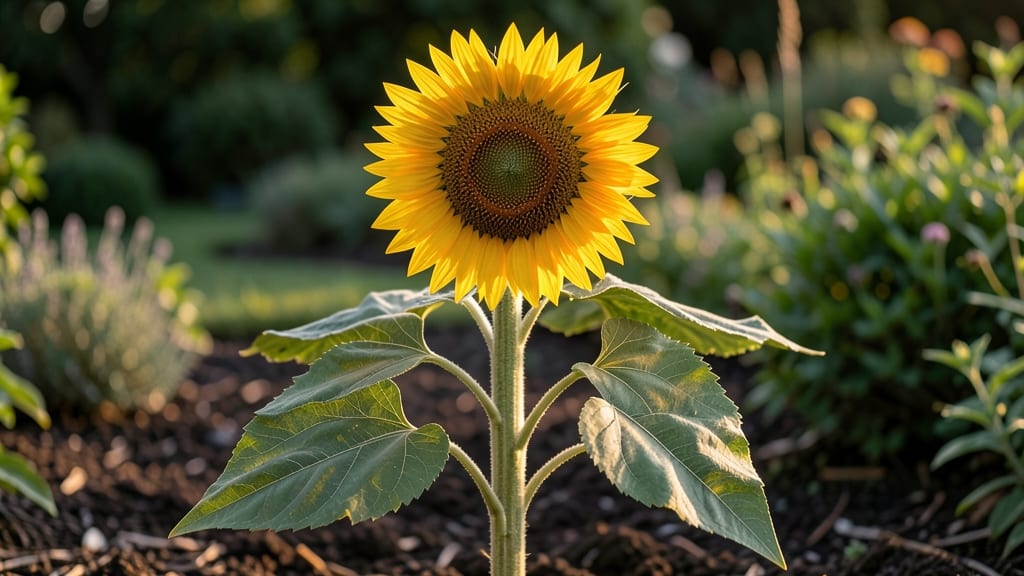
How tall do mammoth Russian sunflowers grow? These giants of the garden reach 10–16 feet, making them taller than most fences and even some houses.
If you're dreaming of a sunflower that towers over your fence or even your house, these varieties might be your perfect match—but first, you need to know exactly how tall they’ll grow to plan your garden space wisely.
These sunflowers aren’t just tall; they’re also fast growers, shooting up 2–3 feet per week in ideal conditions. That means by midsummer, you’ll need to think about support structures to keep them from toppling over.
Below, I’ll break down the exact height ranges by variety, spacing tips to avoid overcrowding, and how to support these garden giants so they stand proudly all season long.


Exact height ranges of Mammoth Russian sunflowers by variety
If you're planning a garden that makes a bold statement, Mammoth Russian sunflowers are the stars of the show—but their heights can vary dramatically by variety.
Knowing the exact height ranges helps you choose the right one for your space and avoid surprises when those towering stems reach their full potential. These sunflowers aren't just tall; they're architectural giants that can outgrow most garden expectations.
Most Mammoth Russian varieties mature between 12 and 16 feet, but some can stretch even taller under ideal conditions. The key to maximizing their height lies in selecting the right variety, providing proper spacing, and ensuring they receive full sun and consistent moisture.
Let’s break down the most popular types and their exact height ranges so you can plan your garden like a pro.
The Mammoth Russian is the classic variety, consistently reaching 12–16 feet with a sturdy stem that supports its massive flower heads. This variety is perfect for gardeners who want a reliable giant without requiring extra support.
Its growth is rapid, often reaching half its mature height within 60 days, making it a showstopper by mid-summer.
If you're aiming for the tallest possible sunflowers, the Mammoth Russian Gold variety is your best bet. It frequently surpasses 16 feet and can even hit 18 feet in ideal conditions with plenty of sunlight and rich soil.
However, this variety demands more space—plant it 4–5 feet apart to prevent overcrowding and ensure each plant has room to reach its full potential.
The Mammoth Russian Silver Leaf is a slightly shorter but equally stunning option, typically growing 10–14 feet. Its silver-tinged foliage adds a unique visual appeal, and its slightly slower growth pattern makes it easier to manage in smaller gardens.
The ideal spacing of 2–3 feet allows for easier maintenance and reduces the need for staking.
For those who want to push the limits, the Russian Giant variety is the ultimate challenge. This variety can grow 15–20 feet tall, making it one of the tallest sunflower varieties available. However, its aggressive growth often requires staking or trellising to prevent toppling, especially in windy conditions.
Space these giants 5 feet apart to give their roots the room they need to support such impressive height.
When planning your garden layout, remember that Mammoth Russian sunflowers are annuals, meaning they complete their life cycle in one growing season. This makes them perfect for adding seasonal drama without long-term commitment.
However, their height means they’ll need a dedicated spot where they won’t be crowded by shorter plants or obstruct pathways.
To ensure your sunflowers reach their full height potential, plant them in well-draining soil enriched with compost and place them in a location with full sun exposure (6–8 hours daily).
Consistent watering, especially during dry spells, will also encourage taller growth. With the right variety and care, your Mammoth Russian sunflowers will become the centerpiece of your garden.
🌻
Factors that influence Mammoth Russian sunflower height
Want to grow Mammoth Russian sunflowers that reach their full potential? Their impressive height—12 to 16 feet—depends on several key factors. Understanding these variables will help you create the perfect conditions for towering sunflowers that dominate your garden landscape.
First, soil quality plays a critical role. These sunflowers thrive in well-draining, nutrient-rich soil with a pH between 6.0 and 7.5. Amending your soil with compost or aged manure before planting ensures your plants have the nutrients they need to grow tall and strong.
Next, sunlight exposure is non-negotiable. Mammoth Russian sunflowers require full sun exposure (6-8+ hours daily). Even partial shade can stunt their growth, leading to shorter stems and fewer blooms. Choose the sunniest spot in your garden for the best results.
Key Factors for Maximum Height
- 🌱 Soil Quality: Loose, fertile soil with compost for nutrient-rich growth.
- ☀️ Sunlight: 8+ hours of direct sun daily—no compromise for tall stems.
- 💧 Watering: Deep watering 2-3 times per week, especially during flowering.
- 🌡️ Climate: Warm seasons (USDA Zones 4-9) with consistent temperatures.
- ✂️ Support: Use stakes or cages early to prevent toppling in wind or rain.
Watering techniques also make a difference. These sunflowers need deep, consistent watering—about 1-2 gallons per plant every 2-3 days during their growing season. Avoid shallow watering, which encourages weak stems and shallow root systems. Mulching around the base helps retain moisture and keeps roots cool.
Climate conditions matter too. Mammoth Russian sunflowers prefer warm seasons and thrive in USDA Zones 4-9. They can handle light frosts but won’t grow tall in cool climates. If you live in a cooler region, start seeds indoors or use row covers to extend the growing season.
Finally, support structures can influence height indirectly. While these sunflowers are sturdy, their sheer size makes them prone to toppling in wind or rain. Installing stakes or cages early (when plants reach 2-3 feet tall) helps them grow straight and reach their maximum height without bending or breaking.
By optimizing these factors, you’ll give your Mammoth Russian sunflowers the best chance to grow into the towering giants they’re capable of becoming—adding drama and height to your garden! 🌻