
Flowers
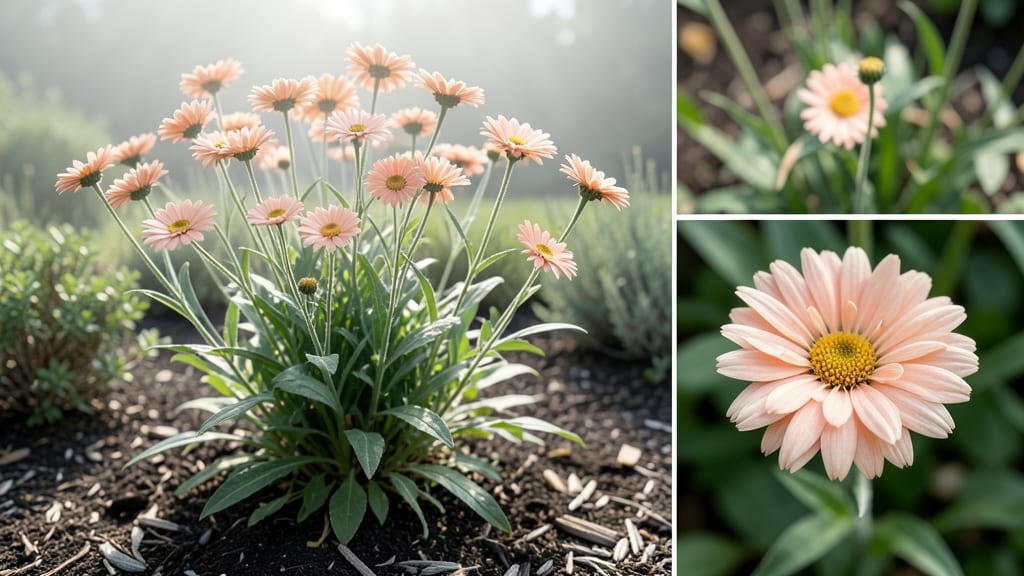
Strawflowers grow between 1 and 3 feet tall, depending on the variety and growing conditions—making them a versatile choice for borders, containers, or cut flower arrangements.
If you’re dreaming of vibrant, low-maintenance blooms that thrive in heat and drought, strawflowers might be your perfect garden match—but first, you need to know exactly how tall they’ll grow to plan your space wisely.
Dwarf varieties like 'Moulin Rouge' stay compact at just 8 to 12 inches, ideal for small gardens or window boxes, while taller types such as 'Golden Delicious' can reach 2 to 3 feet, perfect for back-of-border drama or bouquets.
Below, I break down the height ranges by type, how to control growth for tight spaces, and why your climate might make them grow taller—or shorter—than expected.


Strawflower height ranges by popular variety type
Strawflowers (Xerochrysum bracteatum) are prized for their long-lasting blooms and heat tolerance, but their mature height varies dramatically by variety. Knowing these exact measurements helps you choose the perfect type for your garden beds, containers, or cut flower arrangements.
From dwarf varieties perfect for window boxes to tall types that reach border height, let’s break down what to expect.
Most gardeners overlook the fact that strawflower height directly impacts their space planning. A 2-foot variety in a 5-gallon container will thrive, while a 3-foot type may need staking or a larger pot.
Below, I’ve organized the most popular varieties by their mature height ranges—so you can visualize how they’ll fit into your garden design before you plant.
Pro Tip: Always measure your garden space or container depth against these heights to avoid overcrowding. Strawflowers have sprawling habits, so even "dwarf" types may need 12-18 inches of width for full blooms.
| Variety Type | Mature Height | Best For | Notes |
|---|---|---|---|
| Dwarf Varieties | 8-12 inches | Containers, window boxes, fairy gardens | Ideal for small spaces; examples: 'Little Dorrit', 'Baby Love' |
| Semi-Dwarf Varieties | 1-2 feet | Borders, mixed containers, cutting gardens | Versatile for medium beds; examples: 'Moulin Rouge', 'Golden Delicious' |
| Standard/Tall Varieties | 2-3 feet | Back of borders, cut flower arrangements | Need support stakes; examples: 'Grandiflorum', 'Paprika' |
| Sprawling Varieties | 1.5-2.5 feet wide | Ground cover, mass planting | Spreads wider than tall; examples: 'Rainbow', 'Alba' |
If you’re growing strawflowers for cut flowers, prioritize tall varieties like 'Grandiflorum' or 'Paprika'—their 2-3 foot stems provide long-lasting bouquets. For container gardening, dwarf types like 'Little Dorrit' (just 8-12 inches) are ideal, while semi-dwarf 'Moulin Rouge' adds vertical interest without overwhelming small pots.
One common mistake I see is assuming all strawflowers reach the same height. For example, 'Baby Love' stays under 1 foot, while 'Rainbow' can sprawl 2.5 feet wide. Always check the variety tag or seed packet for exact measurements—this ensures your garden layout accommodates their growth habits.
For urban gardeners with limited space, consider mixed containers. Pair a 12-inch dwarf with a 2-foot semi-dwarf to create layered visual interest. Just ensure your container has drainage holes—strawflowers hate soggy roots, even in dwarf varieties.
Another key factor is pruning. If your tall variety starts to flop, pinch back the top growth by 1/3 to encourage bushier, more compact growth. This works especially well for 'Paprika', which can grow 3 feet but benefits from early pruning to stay manageable.
For cutting gardens, taller varieties like 'Grandiflorum' (up to 3 feet) are worth the space—their long stems and durable blooms last 10-14 days in vases. If you’re short on vertical space, opt for semi-dwarf types like 'Golden Delicious' and train them along a trellis or obelisk.
Remember, strawflower heights can vary slightly based on growing conditions. In poor soil or low light, even tall varieties may stay 12-18 inches shorter than expected. To maximize height, plant in well-draining soil with full sun exposure and fertilize lightly during the growing season.
Now that you know the exact height ranges, you can confidently plan your strawflower garden—whether you’re aiming for a tiny windowsill display or a dramatic border. Happy planting! 🌼
How to control strawflower height for small gardens
Small gardens demand smart solutions, and strawflowers are no exception. Even tall varieties like 'Golden Delicious' (2–3 feet) can be tamed with the right techniques. The key is combining pruning strategies, proper spacing, and support structures to keep them in check while maximizing blooms.
For dwarf varieties like 'Moulin Rouge', height control is less critical, but you’ll still want to encourage bushier growth. The secret lies in pinching back early and providing well-draining soil to prevent legginess. Even a 12-inch plant can stretch if crowded or overwatered.
Here’s my foolproof method: start with container gardening for the tightest spaces. A 10-inch pot limits root spread, naturally capping height at 12–18 inches. Add a trellis or tomato cage to guide stems upward, turning vertical growth into a design feature.
Timing matters too. Prune after flowering to redirect energy into new side shoots. Cut stems back by one-third to trigger bushier regrowth. Avoid heavy pruning in late summer—this can delay next year’s blooms. Instead, focus on light trimming to maintain shape.
Soil plays a hidden role in height control. Amend clay soil with compost to improve drainage, which prevents leggy growth. Overwatering sends plants on a height spree—stick to deep watering once weekly in dry climates.
Mulch with gravel or straw to keep roots cool and roots shallow, naturally limiting height.
For the ultimate space-saver, try 'Little Dorrit', a 12-inch variety bred for containers. Pair it with succulents or thyme in a window box for a low-maintenance, drought-tolerant display. With these tricks, even 3-foot giants can fit into a 6-inch-deep planter—no compromise on blooms!