
Flowers
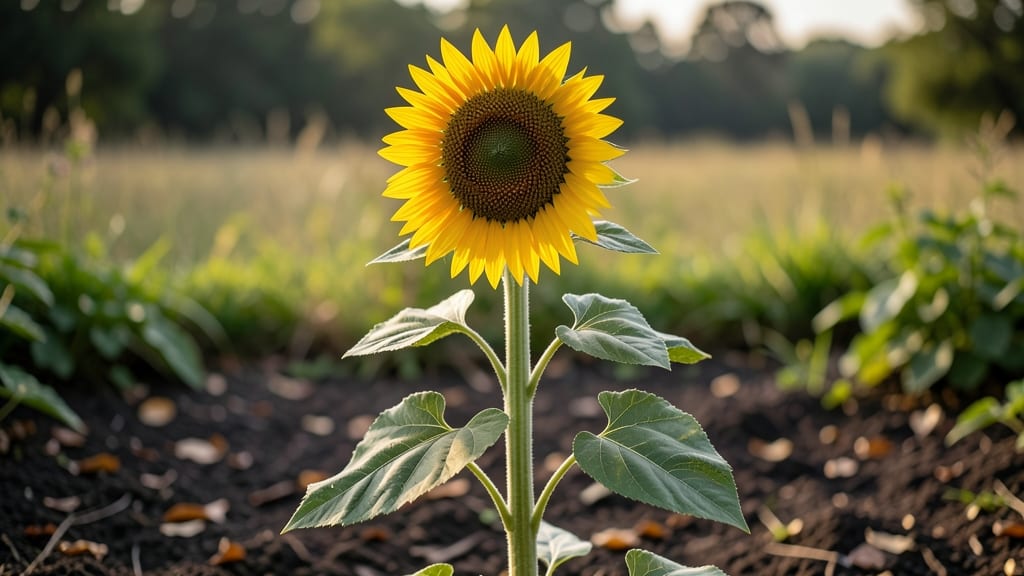
Sunflowers grow anywhere from 3 feet to over 16 feet tall, depending on the variety and how you care for them — a range that can turn your garden into a sea of dwarfs or a forest of towering giants.
Picture this: a 12-foot sunflower stretching toward the sky like a golden skyscraper, or a 3-foot variety perfect for containers and small spaces. The difference isn’t just about aesthetics—it’s about sunlight, soil, and the variety you choose.
If you’ve ever wondered whether your garden can handle a sunflower that dwarfs you or if you’re better off with a compact beauty, you’re in the right place.
Most gardeners assume all sunflowers reach sky-high heights, but dwarf varieties like ‘Teddy Bear’ stay under 4 feet, while giants like ‘Mammoth’ can hit 14 feet or more. The secret to maximizing their height lies in soil quality, consistent watering, and full sun exposure.
Even in USDA Zone 6a, where I garden, the right care can push a sunflower from a modest 8 feet to a breathtaking 12 feet.
In this guide, you’ll discover the exact height ranges for popular varieties, how to encourage taller growth, and the best spacing for different sizes. Whether you’re dreaming of a sunflower that blocks your view or a charming border plant, we’ve got the tips to make it happen.


Sunflower height by variety: from dwarf to giant types
Sunflowers are one of nature’s most dramatic plants, with some varieties reaching heights that rival small trees. Whether you’re dreaming of a backyard skyline or a container garden, the right variety can transform your space.
The height of a sunflower depends entirely on its genetic variety, growing conditions, and your care routine. From dwarf types perfect for patios to giant sunflowers that dominate landscapes, let’s explore the exact heights you can expect—and how to nurture them to their full potential.
Most gardeners assume all sunflowers grow tall, but the truth is far more exciting. Some varieties stay under 4 feet tall, making them ideal for small spaces, while others can soar to 12+ feet, creating a stunning vertical focal point.
The key lies in choosing the right variety for your goals—whether that’s cut flowers, bird feeders, or dramatic borders. Even within the same variety, factors like soil quality, sunlight exposure, and watering habits can influence how tall your sunflowers grow.
Below is a detailed breakdown of sunflower heights by category, including dwarf, semi-dwarf, standard, and giant varieties. I’ve also included care tips to help each type reach its maximum potential height.
Whether you’re a beginner gardener or a seasoned pro, this guide will help you select the perfect sunflower for your space.
If you’re working with limited space, dwarf varieties like 'Teddy Bear' or 'Moulin Rouge' are perfect choices, topping out at just 2–3 feet tall. These varieties are also great for container gardening and can thrive in 5-gallon pots with proper drainage.
Their compact size makes them ideal for balconies, decks, or windowsills where taller varieties would be impractical.
For a mid-height option, semi-dwarf varieties like 'Autumn Beauty' or 'ProCut' reach 4–8 feet, making them versatile for cut flower arrangements or garden borders. These varieties are also popular among commercial growers because they produce large, long-lasting blooms without requiring excessive space.
To encourage maximum height, ensure they receive at least 6–8 hours of sunlight daily and plant them in well-draining soil enriched with compost.
When it comes to statement-making giants, varieties like 'Russian Giant' or 'Mammoth' can reach 12–16 feet tall, creating a dramatic vertical element in your garden. These sunflowers are perfect for large landscapes, events, or even as living sculptures.
However, they require extra care, including staking, deep watering, and regular fertilization to support their massive growth. Plant them in open, sunny areas with plenty of root space to prevent toppling.
Did you know some sunflowers can grow even taller under ideal conditions? The record for the tallest sunflower ever grown was 16.7 feet, achieved by a 'Russian Giant' variety in a controlled environment with optimal sunlight, nutrients, and water.
While most home gardeners won’t reach this height, understanding the potential of your chosen variety can help you set realistic expectations and care goals. For example, giant sunflowers benefit from side-dressing with compost every few weeks to fuel their rapid growth.
Choosing the right variety isn’t just about height—it’s also about flower size, color, and durability. Some dwarf varieties, like 'Banana Sun', produce bright yellow blooms perfect for cheerful, whimsical gardens, while giant varieties often have large, dark-centered flowers that
How to maximize sunflower growth: soil, water, and sunlight secrets
Sunflowers thrive when given the right conditions, but their maximum height depends on more than just genetics. The soil quality, watering routine, and sunlight exposure all play critical roles.
Even a giant sunflower variety like 'Mammoth' can struggle to reach its full 12-foot potential if deprived of proper care. Let’s unlock the secrets to helping your sunflowers grow taller and stronger.
First, focus on well-draining soil rich in organic matter. Sunflowers despise soggy roots, so amend your garden bed with compost or aged manure before planting. A pH level between 6.0 and 7.5 ensures nutrients are readily available.
I’ve found that adding a 5-10-10 fertilizer at planting time gives my sunflowers a strong start, especially in poor-quality soil.
- 🌱 Soil Prep: Loosen soil 12 inches deep to encourage deep root growth. Mix in 3 inches of compost for nutrients.
- ☀️ Sunlight: Place plants in full sun (6+ hours daily). South-facing spots work best in Northern Hemisphere gardens.
- 💧 Watering: Water deeply 2-3 times per week (1-2 inches per week). Avoid wetting leaves to prevent mildew.
- ✂️ Pruning: Remove side buds early to direct energy to the main stem. Pinch off buds below the top flower.
- 🌿 Support: Stake tall varieties (>8 ft) with bamboo stakes or cages to prevent toppling in wind.
Watering is another critical factor for height. Sunflowers need consistent moisture, especially during their rapid growth phase (6-8 weeks after germination). I water mine deeply in the morning to reduce evaporation and fungal risks.
Overwatering, however, can lead to root rot, so always check soil moisture before watering—stick your finger 2 inches deep. If it’s dry, water; if damp, wait.
Sunlight is non-negotiable for sunflowers. Without 6+ hours of direct sun daily, their growth will stall, and stems may become weak. I’ve seen dwarf varieties like 'Teddy Bear' reach only 2-3 feet when grown in partial shade, while the same plants in full sun hit 4-5 feet.
If your garden lacks full sun, consider reflective surfaces (like white mulch) to maximize light exposure.
Pruning might seem counterintuitive, but it’s a game-changer for height. Remove side buds (those small buds forming along the stem) when they’re 1-2 inches long. This forces the plant to channel energy into the main flower head, resulting in a taller, straighter stem.
I prune mine every 2 weeks during the growing season. Avoid pruning once the flower bud forms—this can reduce seed production.
Finally, avoid these common mistakes that stunt growth: overcrowding (space plants 12-24 inches apart), using nitrogen-heavy fertilizers (which promote leafy growth over height), and ignoring pests like aphids. Aphids suck sap, weakening stems.
Spray infested plants with neem oil or introduce ladybugs for natural control. With these tips, your sunflowers will reach their full genetic potential—or even exceed it!