
Flowers
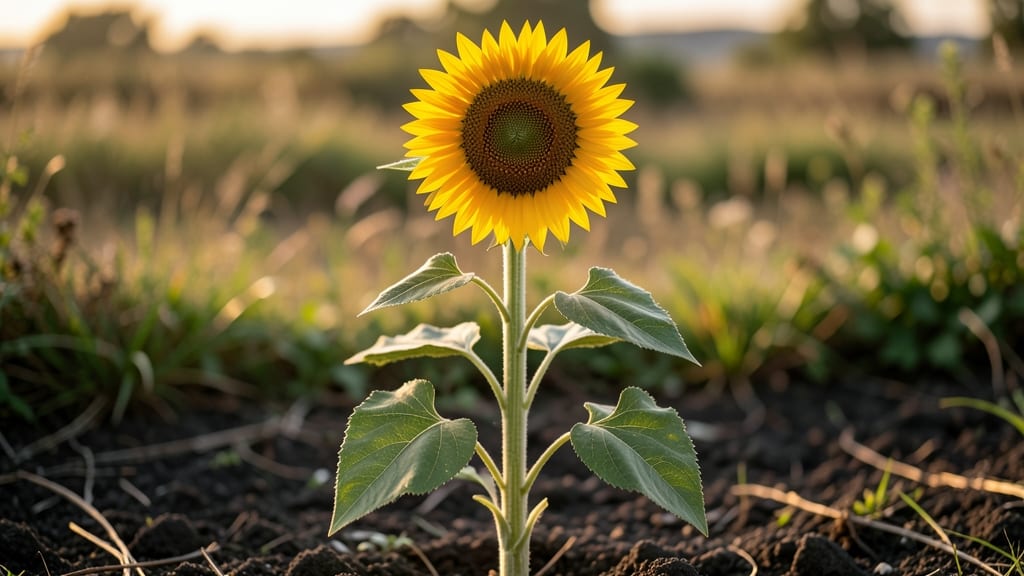
How tall sunflowers grow can vary dramatically—from just 2 feet to towering 14 feet, depending entirely on the variety you choose to plant.
Imagine a sunflower 🌻 so tall it blocks your view of the neighbor’s fence—or one that fits perfectly in a patio pot. The difference isn’t just aesthetics; it’s about how you plan your garden, from spacing to support. Some varieties barely reach your knees, while others dwarf a two-story house.
But here’s the catch: height isn’t just about the seed packet. Soil depth, sunlight, and even wind can push a sunflower to stretch its limits—or keep it compact. Below, I break down the exact height ranges by variety, plus the care tweaks to coax the size you want.
Whether you’re dreaming of a privacy screen or a cute container display, you’ll find out which sunflowers hit your height goals—and how to give them the best shot at reaching them.


Sunflower height ranges by variety: from dwarf to giant types
Choosing the right sunflower variety isn’t just about color—it’s about space planning. Some varieties stay under 3 feet, perfect for containers or patios, while others can reach 14 feet, making them ideal for privacy screens or cut flower gardens.
The height difference comes down to genetics, but even within categories, growth habits vary. For example, dwarf varieties like 'Teddy Bear' grow 2-3 feet tall, while giant types like 'Russian Giant' can top 12 feet—that’s taller than most basketball hoops!
Understanding these ranges helps you avoid overcrowding and ensures you provide the right support structures. Taller varieties need deeper soil and wind protection, while dwarf types thrive in small spaces or urban gardens.
Let’s break down the height spectrum so you can pick the perfect sunflower for your space and goals.
🌻 Pro Tip: Always check seed packets for mature height estimates, as some varieties can exceed listed ranges in ideal conditions.
If you’re growing dwarf varieties, you’ll love how they fit into small spaces. Varieties like 'Moulin Rouge' (2–3 ft) or 'Teddy Bear' (2–3 ft) are perfect for balconies or window boxes.
Their multi-branched stems produce dozens of small blooms, making them ideal for long-lasting cut flowers. Just be sure to space them 6–12 inches apart to avoid competition for nutrients.
For medium-height varieties (3–6 ft), think of 'Autumn Beauty' or 'ProCut'. These are workhorses for cut flowers—their sturdy stems hold up well in bouquets. Plant them 12–18 inches apart in well-draining soil to encourage strong growth.
They’re also great for border plantings where you want height without overwhelming your space.
When it comes to tall varieties (6–10 ft), 'Mammoth' or 'Russian Giant' are the stars. These monster sunflowers need deep, fertile soil and plenty of water to reach their full potential.
I’ve seen 'Russian Giant' plants top 14 feet in ideal conditions—imagine that as a privacy screen or dramatic focal point! Space them 24–36 inches apart and consider staking or trellising if your area gets windy.
💡 Expert Tip: For giant varieties, mix compost into the soil before planting to provide the nutrients they crave. Their deep roots need room to spread, so avoid planting near sidewalks or foundations where roots could cause damage.
Don’t forget about bloom size when choosing varieties. While tall sunflowers often have larger individual blooms, dwarf varieties produce more flowers per plant. If you’re growing for seed production, giant varieties yield fewer but larger seeds, while dwarf types offer higher quantities of smaller seeds.
This can influence whether you grow for cut flowers, bird feed, or cooking.
One of my favorite unexpected uses for sunflowers is as a windbreak. Planting a row of tall varieties along a property line can reduce wind damage to
How sunflower height affects growth conditions and care
Sunflower height isn’t just about the variety—it’s a direct response to your growing conditions. A Russian Giant sunflower reaching 14 feet needs far more than a 2-foot dwarf like 'Teddy Bear.'
The difference comes down to sunlight exposure, soil depth, water consistency, and even wind resistance. Let’s break down how each factor shapes your sunflower’s final stature.
First, sunlight exposure is non-negotiable. Tall varieties like 'Mammoth' or 'Autumn Beauty' demand full sun (6+ hours daily) to fuel their rapid vertical growth. Cut sunlight by even 2 hours, and you’ll see leggy, weak stems struggling to support their own weight.
Dwarf varieties, however, tolerate partial shade (4-6 hours), making them ideal for urban balconies or mixed borders.
Here’s how height directly impacts your care routine:
Next, soil depth becomes critical for taller sunflowers. Their roots dive deep—sometimes 3 feet or more—to anchor themselves. Plant a 10-foot sunflower in shallow soil, and you’ll end up with a top-heavy flop.
Amend your soil with compost to improve drainage, and avoid compacted clay, which restricts root growth. For dwarf varieties, even 12-inch pots work if you use well-draining potting mix.
Water needs shift dramatically with height. A 3-foot sunflower in a container may need watering every 2-3 days, while a 12-foot giant in the ground can go 5-7 days between deep waterings.
Overwatering dwarf varieties leads to root rot, while tall sunflowers crave consistent moisture to support their massive flower heads. Always water at the base, not the leaves, to prevent fungal diseases.
Wind resistance is another game-changer. A 6-foot sunflower in an open field may need stakes or cages to prevent snapping stems. I’ve seen Russian Giants lean dramatically in breezy areas—even a 10 mph wind can stress them.
For urban gardens, choose bush varieties like 'ProCut' or 'Evening Sun,' which stay compact and sturdy without support.
Finally, spacing affects height indirectly. Crowded sunflowers compete for nutrients, leading to shorter, weaker stems. Give tall varieties 2-3 feet of space, while dwarfs thrive in 12-inch pots or 18-inch ground spacing.
Whether you’re aiming for a privacy screen or a container centerpiece, adjusting these factors ensures your sunflowers hit their full height potential—without flopping over or struggling to stand.