
Shrubs
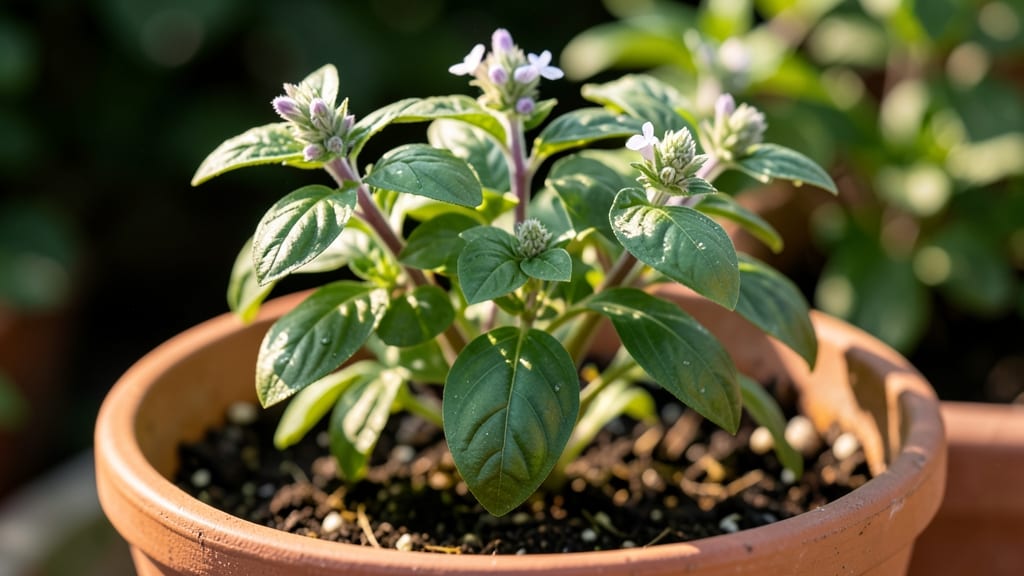
Telling if basil is flowering means spotting tiny buds or elongated stems before they ruin your harvest 🌿—and the key is catching these changes early.
If your basil plants are suddenly producing small white or purple buds instead of lush green leaves, you’re likely dealing with flowering—a common issue that can drastically alter flavor and growth. But how do you spot these early signs before they ruin your harvest?
Flowering basil often shows three key signs: leaves turning slightly bitter, stems stretching unnaturally, and tiny buds forming at leaf joints. These changes signal it’s time to act before the plant shifts focus from leaves to flowers.
In this guide, I’ll walk you through how to identify these signs, why they matter for your harvest, and how to prune or adjust care to keep your basil thriving all season long.
3 Visual signs basil is flowering (before blooms appear)
Spotting basil flowering early saves your harvest from bitterness and stunted growth. The key is watching for subtle changes in your plant's leaves, stems, and buds before flowers even appear. These visual cues help you act fast to prune and reset your plant for sweet, flavorful leaves.
Flowering basil shifts energy from leaf production to seed development, which means smaller, fewer leaves and a sharp drop in flavor quality. The earlier you catch these signs, the better you can preserve your basil's productivity and extend your harvest season.
| Sign | Healthy Basil | Flowering Basil |
|---|---|---|
| Leaf Color | Bright green | Dull yellow-green or purplish edges |
| Stem Growth | Compact, 4-6 inches tall | Elongated, taller than 8 inches |
| Bud Formation | None visible | Small white or purple buds at stem tips |
| Leaf Size | Large, 2-3 inches wide | Smaller, 1 inch or less |
The first visual sign of flowering basil is a change in leaf color. Healthy basil leaves are a vibrant, deep green, but flowering plants develop dull yellow-green or purple-tinged edges. This color shift happens as the plant redirects nutrients toward flower and seed production instead of leaf growth.
Next, watch for stem elongation. Flowering basil grows taller and leggier, often reaching 8 inches or more in height. This rapid vertical growth is your plant’s way of reaching sunlight to support its new flowers, leaving less energy for leaf production.
Finally, check the stem tips for tiny buds. These appear as small, white or purple protrusions before blooming. If you spot these, your basil is already shifting focus away from leaves, so act quickly to prune and redirect its energy.
Flowering basil also produces smaller leaves compared to healthy plants. While mature basil leaves can grow 2-3 inches wide, flowering plants develop leaves that are 1 inch or less. This size reduction is another clear indicator that your plant is prioritizing reproduction over leaf growth.
To confirm flowering, gently examine the leaf axils (where leaves meet stems). You’ll often find tiny flower buds hiding there before they become visible. Catching these early gives you the best chance to prune and reset your basil for continued leaf production.
If you notice these 3 visual signs together—color changes, stem elongation, and bud formation—your basil is flowering. Acting within 24-48 hours of spotting these signs maximizes your chances of restoring leaf growth and flavor.
Remember, flowering basil isn’t a death sentence—it’s a growth stage you can manage. With the right pruning techniques, you can reset your plant and enjoy sweet, flavorful leaves for weeks longer than if you ignore the signs.
Why basil flowers ruin your harvest (and how to fix it)
When your basil starts flowering, it’s not just a pretty sight—it’s a signal your harvest is about to take a turn for the worse. Those delicate white or purple buds trigger a cascade of problems: bitter-tasting leaves, stunted growth, and reduced yield.
The plant’s energy shifts from producing flavorful foliage to making seeds, leaving you with woody stems and fewer leaves to enjoy.
Flowering also accelerates the plant’s life cycle, meaning your sweet basil will bolt—going to seed—much faster than expected. This is especially frustrating if you’ve been nurturing your plants for months, only to end up with a less flavorful harvest.
The good news? You can reset your basil with simple pruning techniques to restore its growth and flavor.
- 🌿 Leaf Color Change: Leaves turn slightly yellowish or purple-tinged along the edges.
- 🌱 Stem Elongation: Stems grow taller and leggy than usual, reaching for light.
- 🌸 Bud Formation: Tiny white or purple buds appear in the leaf axils (where leaves meet stems).
- ✂️ Hardened Stems: Stems feel woody or stiff to the touch.
- 🌡️ Temperature Shift: Flowering often speeds up in hotter weather or when days grow shorter.
Once you spot these signs, act fast. The moment you see those tiny buds, your basil’s flavor profile starts shifting. The leaves will develop a bitter, medicinal taste instead of the sweet, aromatic notes you love.
This happens because the plant redirects its energy toward seed production, reducing the essential oils that give basil its signature flavor.
To fix the issue, prune aggressively by cutting back the flowering stems to just above a set of leaves. This resets the plant, encouraging new growth from the sides. Focus on removing the topmost buds first, as these are the primary culprits.
Use clean, sharp pruning shears to avoid damaging the stems, and always prune in the morning to allow wounds to heal quickly.
After pruning, give your basil a little extra care to help it recover. Increase watering frequency slightly to support new growth, and consider adding a balanced fertilizer (like 10-10-10) to replenish nutrients.
Place your plants in the sunniest spot in your garden or on your windowsill, ensuring they get at least 6-8 hours of direct sunlight daily. This will encourage bushier, leafier growth and delay future flowering.
With consistent care, your basil should bounce back within 2-3 weeks, producing fresh, flavorful leaves once again. Keep an eye out for new buds, and prune them off immediately to maintain a steady harvest.
Remember, the key to preventing bolting is regular pruning and harvesting—never let your basil get too leggy or overgrown. Your future pesto and caprese salads will thank you! ✂️🌿