
Blooming
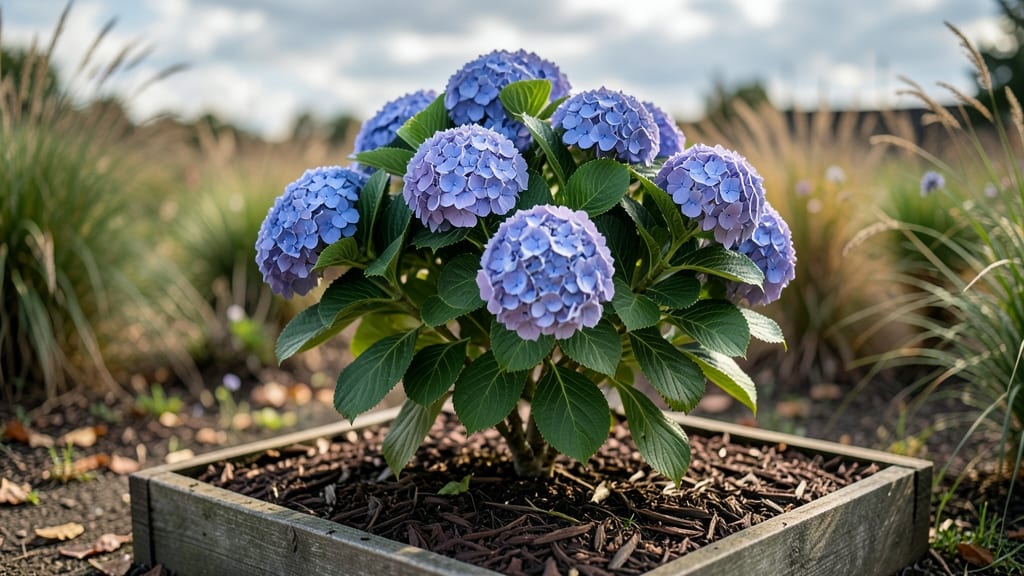
Hydrangeas bloom at different times depending on the variety, with flower time ranging from early summer to late fall 🌸 — and knowing the exact months can mean the difference between a garden full of color and one that disappoints.
Picture this: you’ve waited all spring for those lush, vibrant blooms, only to find your hydrangeas still holding tight to their buds. The frustration is real, but the good news is that with the right timing and care, you can encourage earlier blooms and extend their flower time for months.
From Bigleaf hydrangeas that burst into color in June to Oakleaf varieties that linger well into September, each type has its own schedule. Climate, sunlight, and even your pruning habits play a role in when—and how long—they’ll shine.
In this guide, I’ll break down the exact bloom months by variety, share proven tips to extend your hydrangea flower time, and help you troubleshoot common issues so your shrubs put on their best show all season long.
Hydrangea flower time by variety: month-by-month blooming guide
If you're dreaming of hydrangea blooms transforming your garden into a lush, colorful paradise, timing is everything. Different hydrangea varieties burst into flower at very different times, and their bloom periods can last anywhere from 4 weeks to 6 months.
Understanding these patterns helps you plan your garden layout and extend the flower show from early summer to late fall.
The USDA hardiness zones where you live play a huge role in when your hydrangeas will bloom. For example, a Bigleaf hydrangea in Zone 5 might bloom a month later than the same variety in Zone 9.
Even within the same zone, microclimates—like a south-facing wall or morning sun exposure—can shift bloom times by weeks. Let’s break down the peak bloom months for each popular type.
For gardeners in USDA Zone 5, where winters are colder, hydrangeas often need a longer dormancy period before blooming.
This means Bigleaf varieties like 'Endless Summer' might not hit their peak until late July, while Panicle types like 'Limelight' can stretch blooms into early October if conditions are right. In Zone 9, where winters are mild, you’ll see blooms starting as early as May for some varieties.
One of my favorite tricks for extending bloom time is to plant a mix of early, mid, and late-season varieties. For example, pair 'Annabelle' smooth hydrangeas (June-August) with 'Limelight' panicle hydrangeas (July-October).
This creates a non-stop flower show from late spring through fall. Just be mindful of their sunlight needs—most hydrangeas thrive in morning sun and afternoon shade.
If you're in a hot, dry climate (like Zone 9b), water stress can delay blooming or cause buds to drop. I’ve found that deep watering 2-3 times per week during bud formation (spring) keeps my hydrangeas on track for peak bloom time.
Mulching with 3-4 inches of organic mulch also helps retain moisture and regulate soil temperature.
Did you know that soil pH affects bloom color? Bigleaf hydrangeas are especially sensitive—acidic soil (pH 5.5 or lower) produces blue flowers, while alkaline soil (pH 6.5 or higher) yields pink blooms.
Testing your soil in early spring and amending it with sulfur or lime can give you more control over your hydrangea’s flower color and timing.
For reblooming varieties like 'Endless Summer', deadheading spent blooms in early fall encourages a second flush of flowers the following year. I always prune mine in late winter or early spring (before new growth starts) to shape the plant and remove dead wood.
This keeps them healthy and ready to bloom on schedule. Just avoid heavy pruning in fall, as it can stimulate new growth that won’t survive winter.
One
How to extend your hydrangea flower time with pruning and care
Want your hydrangeas to bloom earlier and stay vibrant longer? The secret lies in strategic pruning and seasonal care tailored to your specific variety. Many gardeners miss the mark by pruning at the wrong time or skipping essential steps like deadheading and fertilizing.
Let’s fix that—because with the right techniques, you can turn a 6-week bloom season into a 3-month spectacle of color.
First, understand that hydrangea varieties bloom on different wood. Bigleaf hydrangeas (like 'Endless Summer') flower on old wood (last year’s growth), while Panicle types (like 'Limelight') bloom on new wood (current season’s growth).
Pruning these at the wrong time can delay blooms or even prevent them entirely. I’ll walk you through the exact steps to avoid these mistakes and maximize your flower time.
- 1. Deadhead spent blooms in late summer to encourage reblooming on new wood varieties.
- 2. Prune old wood varieties (like Bigleaf) in late winter or early spring before buds swell.
- 3. Fertilize in early spring with balanced 10-10-10 to fuel bud formation and prolong blooms.
- 4. Adjust sunlight exposure: Move morning sun lovers to brighter spots in early spring to kickstart growth.
- 5. Mulch in fall to protect roots and maintain consistent moisture for next year’s blooms.
Let’s tackle the biggest mistake first: pruning at the wrong time. If you prune your Bigleaf hydrangea in late winter (after buds have formed), you’ll sacrifice that year’s blooms. Instead, wait until late winter or early spring—right before new growth appears.
For new wood varieties like Panicle hydrangeas, you can prune anytime in late winter or early spring without fear of losing blooms.
Deadheading is another game-changer. By removing faded blooms from reblooming varieties (like 'Endless Summer'), you redirect the plant’s energy toward producing new flowers instead of setting seeds. Grab your pruners and trim back to the first set of healthy leaves below the bloom.
Do this every 2-3 weeks throughout the summer, and you’ll see a noticeable extension in your flower time.
Don’t overlook the power of fertilizer timing. Hydrangeas need a boost in early spring to form buds, but too much late in the season can stimulate leafy growth instead of flowers.
Apply a balanced 10-10-10 fertilizer in March or April, then again after the first flush of blooms in June or July. Avoid fertilizing after mid-August—this gives the plant time to harden off before winter.
Light exposure can also make or break your hydrangea’s bloom time. While these plants thrive in partial shade, too little light delays bud formation. If your hydrangeas are struggling to bloom, try moving them to a spot with morning sun and afternoon shade.
This adjustment can jumpstart growth and encourage earlier, more abundant blooms. Just avoid full sun, which can scorch leaves and stress the plant.
Finally, troubleshoot delayed blooming by checking for these common issues: over-pruning, poor soil drainage, or nutrient deficiencies. Amend your soil with compost, ensure proper drainage, and consider a soil pH test—hydrangeas love slightly acidic soil (pH 5.5-6.2) for vibrant colors.
With these adjustments, your hydrangeas will reward you with a longer, more spectacular bloom season year after year.