
Flowers
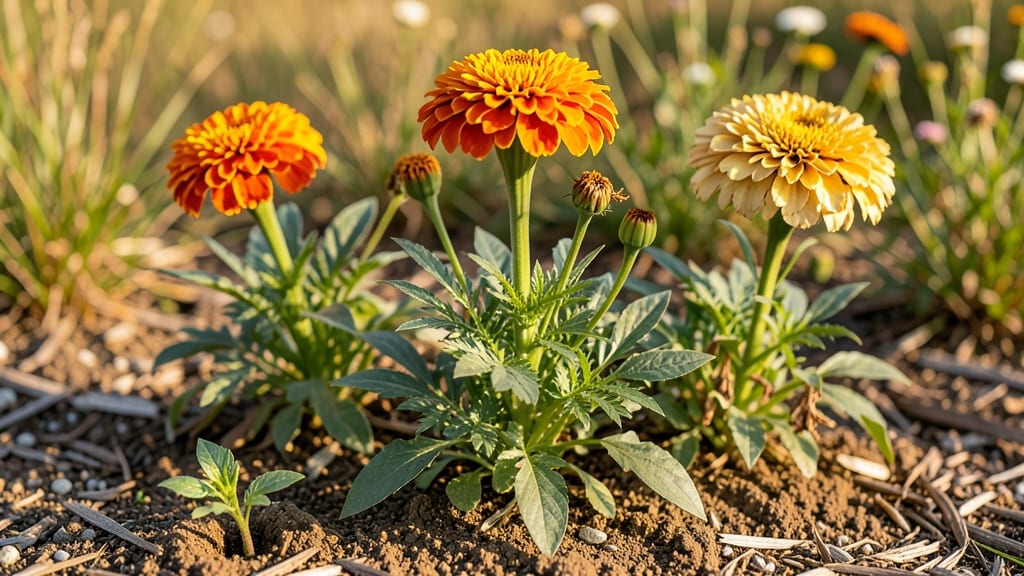
Marigolds take about 7–10 days to germinate and 4–6 weeks to flower, but the exact seed-to-flower time depends on the variety and growing conditions.
Picture this: you’ve just tucked those tiny marigold seeds into the soil in early spring, dreaming of golden blooms by summer. Yet, if you’re not careful, you might end up staring at green leaves for months instead of vibrant 🌼 faces lighting up your garden.
Some varieties, like French marigolds, bloom faster—sometimes in as little as 40 days—while others, like African marigolds, can take up to 75 days or more. The difference comes down to sunlight, soil warmth, and even the type of seed you start with.
In this guide, I’ll break down the exact timelines by variety, share the fastest ways to coax blooms earlier, and help you avoid common pitfalls that slow down your marigolds. Ready to turn those seeds into a summer of color?

Marigold seed to flower time by variety: fastest-blooming types revealed
If you're eager to fill your garden with vibrant marigold blooms, timing is everything. The seed-to-flower period varies dramatically between varieties, from as little as 45 days to over 90 days.
Understanding these differences helps you choose the right type for your growing season and ensures you enjoy those cheerful orange and yellow flowers sooner rather than later.
Marigolds are divided into four main types, each with distinct growth timelines: French marigolds, African marigolds, Signet marigolds, and Mexican marigolds. While all thrive in full sun and well-draining soil, their bloom speeds differ significantly.
For instance, French marigolds often bloom faster than their taller African cousins, making them ideal for impatient gardeners.
Environmental factors like temperature, light exposure, and soil quality also play critical roles in accelerating or delaying flowering. Germination typically occurs within 5–14 days, but cooler soil temperatures can extend this phase. Once sprouted, consistent moisture levels and nutrient-rich soil help push plants toward faster bloom times.
For gardeners in USDA Zone 6a or warmer, planting in late spring (after the last frost) ensures optimal conditions for quick growth. In cooler climates, starting seeds indoors 6–8 weeks before the last frost can shave weeks off the total timeline.
Below, we break down the exact seed-to-flower times for each variety, so you can plan accordingly.
| Variety | Germination Time | Seed to Flower Time | Mature Height | Best For |
|---|---|---|---|---|
| French Marigold | 5–10 days | 45–60 days | 12–24 inches | Borders, containers, early blooms |
| Signet Marigold | 7–14 days | 50–70 days | 6–12 inches | Small gardens, window boxes |
| African Marigold | 7–12 days | 60–90 days | 24–36 inches | Back of borders, cut flowers |
| Mexican Marigold | 10–14 days | 70–100 days | 36–48 inches | Tall gardens, pollinator support |
*Times vary based on climate, soil, and care conditions.
The French marigold stands out as the fastest bloomer, often reaching full bloom in just 45–60 days. This makes it perfect for gardeners who want quick color and are willing to sacrifice height for speed.
If you're growing marigolds to attract pollinators or deter pests, French varieties are a fantastic choice for early-season gardens.
African marigolds, while slower to bloom (taking 60–90 days), produce the largest and most dramatic flowers. Their towering stature makes them ideal for the back of flower beds or as cut flowers. If you're planning a late-summer garden or need taller plants to add height, these are worth the wait.
For compact gardens or containers, Signet marigolds are a game-changer. These dwarf varieties bloom in 50–70 days and stay under 12 inches tall, making them perfect for small spaces. Their quick bloom time and manageable size make them a favorite for urban gardeners and balcony planters.
Mexican marigolds are the slowest to bloom but offer the most dramatic height and fragrance. With a seed-to-flower time of 70–100 days, they’re best suited for gardeners with a longer growing season or those who want to add a tropical touch to their landscape. Their strong scent also makes them excellent for repelling pests like nematodes.
To maximize bloom speed, focus on three key factors: soil temperature (keep it above 60°F), consistent moisture (avoid waterlogging), and full sun exposure (at least 6–8 hours daily). Additionally, thinning seedlings to 12–18 inches apart reduces competition, allowing each plant to devote energy to flowering rather than foliage.
Pro tip: If you're in a cooler climate, opt for French or Signet marigolds for faster results. For warmer regions, you can push African or Mexican varieties to bloom even faster by starting seeds indoors 4–6 weeks before the last frost. With
How to speed up marigold flowering: proven tips for faster blooms
Ready to turn those marigold seedlings into vibrant blooms faster? The secret lies in optimizing your growing conditions—especially soil warmth, light exposure, and nutrient balance. While French marigolds naturally bloom in 45–60 days, strategic adjustments can shave off 10–20 days from slower varieties like African marigolds.
Let’s dive into the most effective methods to accelerate your marigolds’ flowering timeline.
One of the biggest mistakes gardeners make is planting too early when soil temperatures are still cool. Marigold seeds need soil that’s at least 60°F to germinate quickly and grow vigorously.
If your spring soil is chilly, consider using black plastic mulch or a seedling heat mat to warm the soil faster. This simple trick can cut germination time from 14 days to just 5–7 days, putting your plants on the fast track to blooming.
Organic vs. Synthetic Fertilizers for Faster Blooms
Organic Fertilizers
- Pros: Improves soil structure over time, enhances microbe activity, and provides slow-release nutrients.
- Cons: Takes 2–3 weeks to show results, may require larger quantities for immediate growth.
Best for: Long-term soil health and sustainable blooming.
Synthetic Fertilizers
- Pros: Delivers immediate nutrients, speeds up foliage and bloom production, and is easy to apply.
- Cons: Can burn roots if overused, requires frequent reapplication, and may deplete soil quality over time.
Best for: Quick results in short-season climates.
*For fastest blooms, use a balanced 5-10-5 fertilizer every 3–4 weeks once seedlings are established.
Light is another critical factor—marigolds thrive in full sun (6–8 hours daily), but grow lights can be a game-changer if your garden lacks sufficient sunlight. Place seedlings under LED grow lights for 12–14 hours/day to mimic summer conditions.
This extra light boosts photosynthesis, helping plants mature 20% faster and flower 1–2 weeks earlier than those in partial shade.
Pruning is often overlooked, but it’s a powerful tool for faster blooming. Pinch off the top set of leaves when seedlings are 4–6 inches tall to encourage bushier growth. This redirects energy from leaf production to flower bud formation, often shaving 5–10 days off the bloom timeline.
Just avoid pruning after midday to prevent stress on the plant.
Finally, avoid these common mistakes that stall blooming: overwatering (which causes root rot), planting in shady spots, or using high-nitrogen fertilizers (which promote leaves over flowers). Instead, focus on well-draining soil, morning watering, and a low-nitrogen, high-phosphorus fertilizer to push flowering.
With these strategies, you can transform your marigold seedlings into a blooming garden in record time—even if you’re working with slower varieties. Start with warm soil, full sun, and the right fertilizer, and watch those cheerful 🌼 faces appear weeks ahead of schedule!