
Flowers
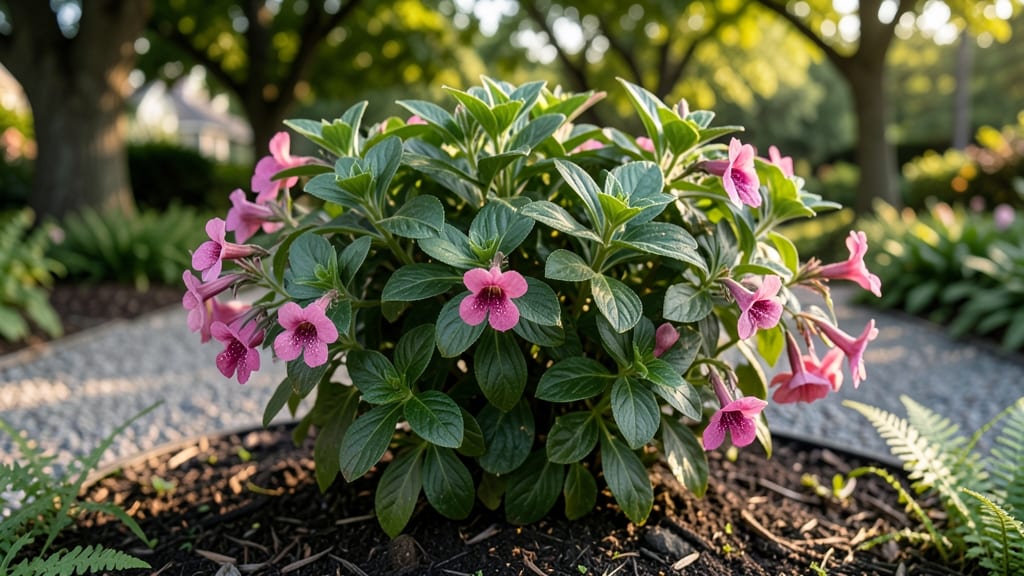
Impatiens flowers thrive in sun or shade—but getting the balance wrong can turn your vibrant blooms into sad, wilted leaves.
Picture this: you’ve spent weeks nurturing your 🌸 impatiens, only to watch them droop under the midday sun or stretch leggy in deep shade. The secret?
These shade-lovers actually tolerate morning sunlight and filtered afternoon light, but too much direct sun scorches them, while too little leaves them weak and sparse.
In this guide, I’ll break down the exact light conditions your impatiens need—whether you’re in a bright patio or a dappled forest edge—plus how to adjust watering, soil, and care to keep them blooming nonstop.
You’ll learn which varieties handle sun best, how to spot light stress early, and the simple tweaks that turn struggling plants into showstopping displays. Let’s get those impatiens thriving!
 Best Window Placement
Impatiens sun vs shade tolerance: the exact light requirements for healthy blooms
Impatiens are often called the "shade-lovers" of the garden world, but they're not quite as picky as you might think. While they thrive in partial shade, they can actually handle some direct sunlight—especially in cooler climates.
The key is understanding how much sun is too much and how to adapt their care based on your local conditions. In Southern climates, impatiens need protection from harsh afternoon rays, while Northern gardens can often tolerate more morning sun exposure.
Most impatiens varieties prefer 4-6 hours of filtered light daily, but this can vary by type. Too much direct sun causes leaf scorch and faded blooms, while too little shade leads to leggy, sparse growth. Let’s break down the exact light needs to keep your impatiens looking their best year-round.
In Southern climates, where afternoon sun can be intense, limit direct exposure to morning hours only. Use shade cloth (30-50%) if your impatiens receive more than 2 hours of afternoon sun.
This prevents leaf scorch and keeps blooms vibrant. For Northern gardens, you can often push the limits to 4 hours of morning sun without issues, as cooler temperatures reduce heat stress.
The ideal light balance for impatiens is dappled shade—think of the light filtering through tree leaves. This mimics their natural habitat in tropical understory environments.
If you're growing impatiens in containers, place them where they'll receive bright indirect light for most of the day, moving them to shadier spots during peak sun hours if needed.
Watch for visual stress signals like yellowing leaves or brown edges, which indicate too much sun. Conversely, leggy stems and sparse blooms mean they need more light.
Adjust their position gradually—don’t move them abruptly, as sudden light changes can shock the plant. A slow transition over 1-2 weeks helps them adapt smoothly.
For container gardening, choose pots with light-colored surfaces to reflect excess heat. Place them on elevated stands or use self-watering containers to maintain consistent moisture, which is critical when adjusting light exposure.
In garden beds, pair impatiens with taller plants like hostas or ferns to provide natural shade during hot afternoons.
Remember, regional microclimates play a huge role. What works in Pacific Northwest shade gardens may fail in Texas heat. Always observe your plants' response and adjust their light exposure accordingly. With the right balance, your impatiens will reward you with nonstop blooms from spring through fall.
Pro tip: If your impatiens start looking stressed, try rotating their pots quarter-turns weekly to ensure even light exposure on all sides. This simple trick promotes balanced growth and prevents lopsided plants.
How to adjust impatiens care based on sun exposure for maximum flowers
Impatiens love shade but can handle morning sunlight—the key is understanding their limits. In full shade, they’ll grow lanky and sparse, while afternoon sun scorches their delicate leaves.
Your care routine must adapt to light levels to keep those blooms popping. Let’s dive into the specifics for containers, garden beds, and everything in between.
First, check your impatiens’ current light conditions. If they’re in a west-facing window or hot afternoon sun, move them to dappled shade immediately. For garden beds, plant them near trees that filter light (like maples) rather than in open spaces.
The goal? 4-6 hours of bright indirect light daily—no more, no less.
⚠️ callout warning ⚠️
- Yellow leaves = Too much sun. Move to shade immediately.
- Leggy growth = Not enough light. Add a grow light or transplant.
- Brown leaf edges = Low humidity. Mist leaves or use pebbles in trays.
Act fast! Impatiens recover poorly from stress.
Watering is your first adjustment point. In bright indirect light, water every 2-3 days—the soil should stay lightly moist but never soggy. For full shade, reduce to every 3-4 days to prevent root rot.
Use a moisture meter or stick your finger 1 inch deep; if dry, water thoroughly. Containers dry out faster, so check them daily in hot weather.
Fertilizing follows light too. In partial shade, feed with a balanced 10-10-10 fertilizer every 4-6 weeks during bloom season. But if your impatiens are in low light, cut back to half-strength feedings every 8 weeks—they won’t need as much energy.
Always fertilize in the morning to avoid burning tender leaves.
Pruning keeps impatiens bushy and blooming. In low-light conditions, pinch back leggy stems by 1/3 to encourage branching. For bright light, deadhead spent blooms weekly to redirect energy to new flowers. Use clean, sharp scissors and avoid cutting into woody stems—impatiens are tender and heal slowly.
For containers, choose self-watering pots with drainage holes to stabilize moisture levels. In garden beds, mulch with 2-3 inches of shredded bark to retain humidity and regulate soil temperature. If your impatiens are struggling, try a shade cloth (30-50%) in peak sun hours—it’s a game-changer for heat-sensitive varieties.
Pro tip: Rotate containers weekly so all sides get even light. Garden impatiens? Group them with hostas or ferns for natural shade support. With these tweaks, your impatiens will reward you with nonstop blooms all season—whether they’re basking in morning rays or lounging in dappled shade. 🌸