
Diseases
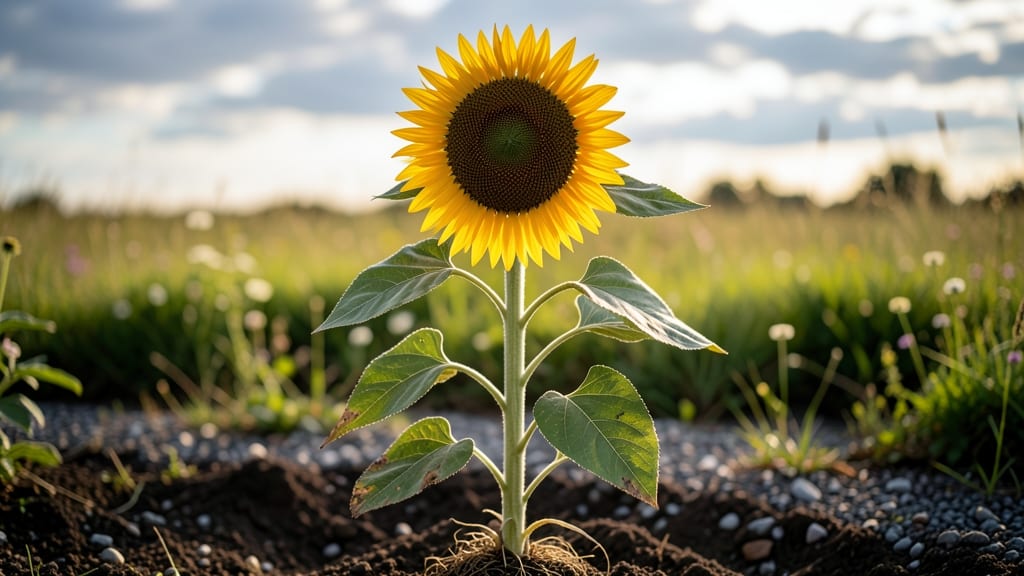
Sunflowers with large leaves can be a sign of both thriving plants and hidden growing problems—but most gardeners don’t know how to tell the difference.
If your 🌻 plants are sporting oversized foliage but no blooms—or worse, weak, yellowing leaves—you’re likely dealing with a fixable issue. Whether it’s too much nitrogen, inconsistent watering, or even a sneaky pest problem, understanding the root cause is the key to saving your sunflowers before they fizzle out.
Genetics play a role, but so do sunlight exposure, soil nutrients, and even your watering habits. The good news? With the right adjustments, you can encourage strong, healthy growth without sacrificing those showstopping blooms you planted for.
In this guide, I’ll break down the 5 most common causes of large sunflower leaves, how to diagnose them, and the simple steps to revive your plants—whether they’re struggling or just hitting their genetic potential.
5 Common reasons sunflower leaves grow abnormally large (and how to fix them)
Large sunflower leaves can be a double-edged sword—sometimes a sign of vigorous growth, other times a red flag for underlying problems. When your sunflowers develop leaves larger than expected, it’s often your plants’ way of communicating their needs.
The key is identifying whether this growth is healthy or a symptom of nutrient imbalance, water stress, or even pest infestations. Let’s break down the most common causes and how to address them before your plants suffer.
First, consider that some sunflower varieties, like Mammoth or Russian Giant, naturally produce larger leaves as part of their genetics. However, if your plants are suddenly sporting abnormally broad, drooping, or discolored foliage, it’s time to investigate.
The solutions often involve simple adjustments to your watering routine, soil nutrients, or pest control—none of which require advanced gardening skills. Let’s start with the most likely culprits.
Below is a quick comparison of the top 5 causes of large sunflower leaves, their visual symptoms, and the steps to correct them. Use this as your diagnostic guide to pinpoint the issue and take action before it’s too late.
Now that you’ve identified the likely cause of your sunflowers’ large leaves, let’s dive deeper into each issue and the step-by-step fixes to restore your plants to peak health. Nitrogen excess is one of the most common culprits, often resulting from overzealous fertilizing or compost-heavy soil.
If your leaves are dark green, thick, and rubbery with few blooms, your sunflowers are essentially being “fed” too much greenery at the expense of flowers. The fix? Switch to a balanced fertilizer like 10-10-10 and flush the soil with water to leach out excess nitrogen.
Watering issues—both overwatering and underwatering—can also lead to abnormally large leaves, but the symptoms are starkly different. Overwatered sunflowers often have yellowing leaves, a soggy soil base, and may even develop brown edges.
To correct this, let the soil dry out between waterings and consider amending it with perlite or coarse sand to improve drainage. On the flip side, underwatered plants will have crispy, curled leaves and stunted growth.
Here, the solution is simple: water deeply in the morning, ensuring your sunflowers receive 1-2 gallons per plant.
Pests like aphids and spider mites can also cause leaves to grow larger than normal as the plant diverts energy to repair damage. Look for sticky residue or tiny webs on the undersides of leaves.
Combat these pests with a spray of neem oil or insecticidal soap, and introduce natural predators like ladybugs to keep populations in check. Early intervention is key—once pests take hold, they can weaken your sunflowers significantly, leading to poor blooms or even plant death.
If you notice a white, powdery coating on your sunflower leaves, you’re likely dealing with powdery mildew, a fungal disease that thrives in humid conditions. This issue often arises when plants are crowded or lack proper airflow.
To treat it, prune affected leaves to improve circulation and spray with a homemade remedy of baking soda solution (1 teaspoon per quart of water). For severe cases, consider using a fungicide like neem oil to prevent further spread.
Finally, if your sunflowers are simply following their genetic blueprint—like the <
When large sunflower leaves are actually a good sign (and how to maximize growth)
Large sunflower leaves aren’t always a red flag—they can be a sign of vigorous, healthy growth when triggered by the right conditions. In fact, sunlight exposure is the #1 factor that turns those leaves into lush, broad powerhouses.
When your sunflowers get 6-8+ hours of direct sunlight daily, their leaves expand rapidly to maximize photosynthesis, fueling both foliage and future blooms.
Think of it like this: those massive leaves are solar panels for your plant. The more sunlight they capture, the more energy they produce to grow tall, strong stems and robust flower heads.
But here’s the catch—this growth spurt requires balanced care to avoid overpowering the plant’s energy reserves before blooming season.
🌱 Key takeaway 🌱
Healthy Growth Triggers
To maximize this growth without sacrificing blooms, focus on soil pH levels. Sunflowers thrive in slightly acidic to neutral soil (pH 6.0-7.0). Test your soil—if it’s too alkaline (above 7.5), the plant will struggle to absorb essential nutrients, even with plenty of sunlight.
Amend with compost or sulfur to adjust pH gradually over 2-3 weeks.
Proper spacing between plants is another game-changer. Crowded sunflowers compete for nutrients and sunlight, leading to weak stems and fewer blooms. Give each plant 12-24 inches of space (depending on variety) to ensure they have room to develop those broad leaves and sturdy flower stalks.
Don’t forget about companion planting—strategic pairings can boost leaf health while protecting your sunflowers. Plant marigolds nearby to repel pests like aphids, or add basil to deter spider mites. These companions improve air circulation, reducing humidity-related diseases that can yellow large leaves.
Finally, prune selectively to maintain leafy vigor while encouraging blooms. Remove only the bottom 2-3 sets of leaves early in the season to redirect energy upward. Avoid over-pruning—sunflowers rely on their leaves for photosynthesis, so preserve at least half the foliage near the top.
With these adjustments, your sunflowers will channel that leafy growth into stronger stems and bigger blooms, turning those massive leaves into a sign of success rather than a concern. The key is balance—sunlight, nutrients, and space working together to create the perfect sunflower powerhouse. ☀️