
Blooming
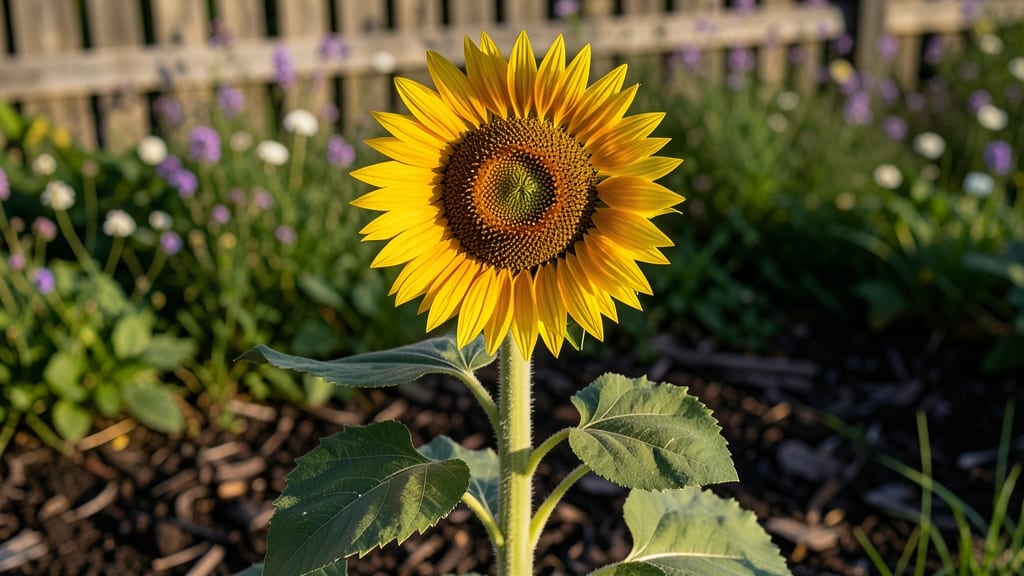
The sunflower blooming season transforms your garden into a golden masterpiece—if you time it right.
Picture this: a sunflower blooming season stretched from July to September, with flowers opening one after another like nature’s own parade. But miss the planting window, and you might end up with a sad, leggy plant that never fully opens.
The good news? With the right variety and a little planning, you can enjoy weeks of vibrant blooms instead of just a few days.
Most sunflowers in USDA Zone 6a (and beyond) start flowering around July 1st, but dwarf varieties can bloom as early as June, while giant types may wait until August. The secret? Planting at the right time—after your last frost in April or May—and choosing varieties that match your climate.
Below, I’ll break down the exact months for popular types and share my top tips to extend your blooming season naturally.
Ready to turn your garden into a sunflower showstopper? You’ll learn how to pick the perfect variety, avoid common mistakes that cut blooms short, and keep your sunflowers 🌻 flowering for weeks longer than usual.
Sunflower blooming season by variety: exact months for full bloom
Timing your sunflower planting for peak blooms means knowing exactly when each variety reaches its golden glory. Early varieties like 'Teddy Bear' burst into bloom in late July to early August, while tall giants such as 'Mammoth' take until mid-September.
Regional frost dates shift these windows by weeks—so let’s break it down by variety and USDA zone for your perfect bloom schedule.
Your local last frost date is the starting point. For example, in Zone 5, plant early varieties in mid-May for July blooms, while late varieties need early June planting to avoid frost.
In Zone 9, you can stretch blooms from June to October with staggered plantings. Here’s the exact timeline you need:
| Variety | Height | Bloom Window (USDA Zone 5) | Bloom Window (USDA Zone 9) | Days to Bloom |
|---|---|---|---|---|
| Teddy Bear (Dwarf) | 2-4 ft | Late July - Early August | June - July | 50-60 days |
| Autumn Beauty (Standard) | 5-6 ft | August - September | July - September | 60-70 days |
| Mammoth (Giant) | 10-15 ft | Mid-September | August - October | 80-120 days |
| Russian Giant (Late) | 12-14 ft | Late September | September - Early October | 90-110 days |
| ProCut (Early) | 3-5 ft | Early July | May - June | 45-55 days |
To calculate your local bloom window, subtract your last frost date from the days to bloom for each variety. For example, if your last frost is May 10 and you plant ProCut (55 days to bloom), expect blooms around July 4.
Adjust for USDA zones by adding 10-14 days for cooler zones (e.g., Zone 4) or subtracting 7-10 days for warmer zones (e.g., Zone 10).
For staggered blooms, plant early varieties first (e.g., ProCut in late April), followed by standard types (e.g., Autumn Beauty in early May), and finally giants (e.g., Mammoth in mid-May).
This creates a 3-month bloom parade from July to October, even in cooler climates. In Zone 9, you can plant year-round for continuous color!
Soil temperature also impacts bloom timing. Sunflower seeds need soil temps above 55°F to germinate. Use a soil thermometer to confirm readiness—planting too early in cold soil delays blooms by 2-3 weeks.
In northern zones, wait until mid-May for reliable germination, while southern zones can start as early as March.
Don’t overlook watering schedules—consistent moisture during stem elongation (4-6 weeks after planting) ensures taller stems and larger blooms. Cut back on watering 2 weeks before harvest to improve seed quality. In drought-prone areas, mulch heavily to retain moisture and extend the bloom window by 10-15 days.
For cut flowers, harvest when 10-15% of petals open for longer vase life. In Zone 5, this means picking Autumn Beauty in early August before frost hits. In Zone 9,
How to extend your sunflower blooming season naturally
Sunflowers typically bloom for just 2-4 weeks, but with the right techniques, you can stretch that golden display to 2-3 months. The secret lies in understanding their natural growth cycle and giving them the right conditions.
By combining staggered planting, variety selection, and ongoing care, you can enjoy continuous blooms from summer through early fall.
Most gardeners focus on planting once and hoping for the best, but sunflowers thrive when you trick them into thinking they're in different seasons. This approach mimics how wild sunflowers naturally extend their blooming period. Let’s explore the proven methods that will keep your sunflowers flowering longer than ever before.
- 🌱 Staggered Planting: Sow seeds in 2-3 batches every 2 weeks to create a continuous bloom cycle. Early varieties like 'Teddy Bear' (50-60 days) followed by 'Autumn Beauty' (70-90 days) ensures overlapping blooms.
- 🌿 Deadhead Regularly: Remove spent blooms by cutting stems 1 inch below the flower head. This redirects energy to new buds, extending the season by 3-4 weeks.
- ☀️ Choose Long-Blooming Varieties: Opt for 'ProCut' (cut flowers) or 'Moulin Rouge' (double blooms), which naturally produce more flowers over time. Avoid single-stem varieties like 'Russian Giant'.
- 💧 Consistent Watering: Deep water every 3-5 days (1 inch total) to prevent stress. Drought conditions cause early senescence (flower death), cutting blooms short.
- 🌬️ Protect from Wind: Use bamboo stakes or windbreaks in exposed areas. Wind stress accelerates blooming time by 10-15 days, reducing your display.
Another game-changer is using shade cloth (30-50%) during peak afternoon heat (1-4 PM). Sunflowers in zones 7-10 often bolt (flower prematurely) when temperatures exceed 90°F. Light shade keeps them cooler and prolongs the vegetative stage, delaying bloom time by up to 3 weeks.
For gardeners in cooler climates (zones 1-6), focus on soil fertility. Amend beds with compost or aged manure before planting to ensure robust growth. Underfed sunflowers produce fewer blooms and weaker stems, which can't support multiple flowers.
A balanced fertilizer (5-10-10) applied at planting and again after 6 weeks works wonders.
Finally, don’t overlook the power of pest control. Aphids and spider mites sap energy from your plants, shortening their bloom time. Spray with neem oil or introduce ladybugs at the first sign of infestation. Healthy plants = longer-lasting flowers.
With these techniques, your sunflower garden can transform from a fleeting burst of color into a month-long spectacle. Start with staggered planting this spring, and you’ll be rewarded with sunflowers that keep giving all season long. 🌻