
Flowers
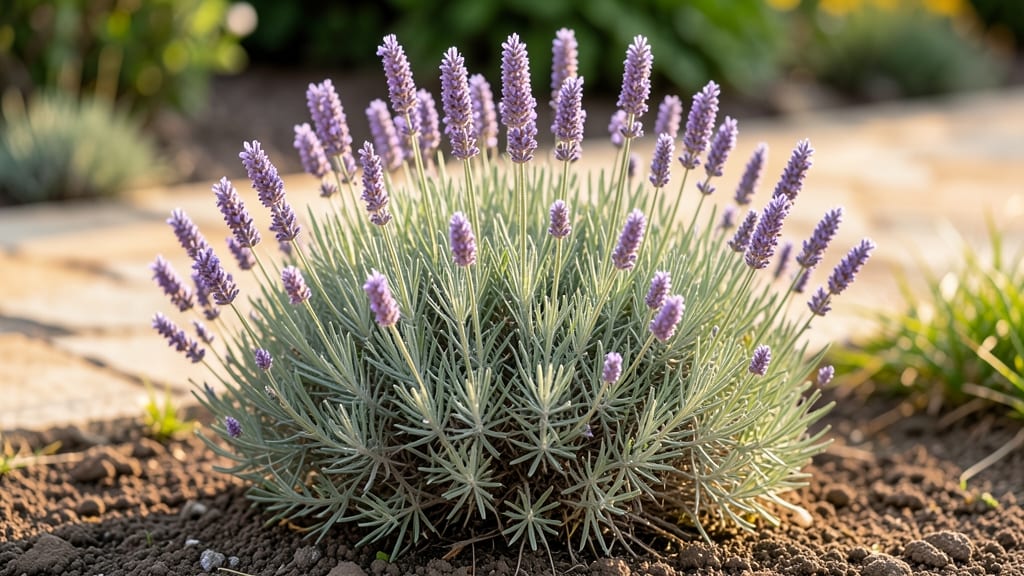
Lavender blooms in mid-summer to early fall—the exact flower time depends on your USDA zone, sunlight, and how you prune it.
Timing your lavender harvest perfectly ensures maximum fragrance and beauty—but getting it wrong means sparse blooms or missed peak scent. Here’s the exact lavender flower time by USDA zone, so you never miss the ideal window again.
In Zone 6 (like most of the Midwest), your 🌸 should burst into color by late June, with the most intense blooms stretching through August.
But if you’re in warmer zones like California, flowers may start as early as May, while cooler climates like the Pacific Northwest could see them linger into September.
Below, I’ll break down the best months for your region, plus 5 simple tricks to extend those fragrant purple spikes for weeks longer than usual.
Lavender flowering months by USDA Zone: exact timelines for peak blooms
Timing your lavender harvest is all about knowing your USDA zone and the specific variety you're growing. Lavender blooms vary dramatically from Zone 3 to Zone 10, with some varieties flowering as early as May in warm climates and others waiting until July in cooler regions.
Understanding these timelines ensures you capture lavender's peak fragrance and beauty.
Lavender generally falls into three flowering categories: early-season (May-June), mid-season (June-July), and late-season (July-August). English lavender typically blooms mid-season, while French lavender often flowers later. Spanish lavender tends to be the earliest bloomer. The exact timing also depends on whether your lavender was planted in spring or fall.
Pro Tip: For the most accurate bloom predictions, note your last frost date and count forward. Most lavender varieties need 90-120 frost-free days to reach peak flowering. In Zone 5, this usually means blooms start around June 15, while in Zone 9, flowering can begin as early as April 1.
In Zones 3-4, where winters are harsh, lavender typically waits until after the last frost (usually May 15) to begin flowering. Spanish lavender varieties like 'Papillon' often bloom first, followed by English lavender like 'Hidcote'.
The peak fragrance window in these zones is July-August, so plan your harvest accordingly if you're drying flowers for sachets.
Gardeners in Zones 5-6 enjoy a slightly earlier bloom time, with French lavender varieties like 'Grosso' often flowering in late July. This zone benefits from extended blooming if you deadhead spent flowers regularly.
The first frost in these zones usually arrives in October, giving you a 3-month flowering window if conditions are ideal.
For those in Zones 7-8, lavender's flowering season starts remarkably early—sometimes as soon as late May. Spanish lavender varieties often bloom first, followed by English lavender in June.
The heat tolerance of these zones means lavender can continue blooming into early August if given proper care. This is also when lavender's essential oil content peaks for harvesting.
In the warmest zones (9-10), lavender can bloom as early as April, with some varieties like Lavandula stoechas (Spanish lavender) producing flowers by mid-March in Zone 10. The longer growing season means you might see two bloom cycles per year if you're growing heat-tolerant varieties.
However, be cautious of overwatering in these zones, as lavender prefers drought-like conditions.
If you're growing multiple lavender varieties, you can create a staggered bloom effect by planting early, mid, and late-season types together. For example, pair 'Papillon' Spanish lavender (early) with 'Munstead' English lavender (mid) and 'Grosso' French lavender (late) to enjoy continuous blooms from May through August in most zones.
Remember that soil drainage and sunlight exposure can shift bloom times by 1-2 weeks. If your lavender isn't flowering on schedule, check that it's getting 6+ hours of full sun and planted in well-draining soil. Amending heavy clay soil with gravel or
How to extend lavender flower time: 5 proven techniques for longer blooms
Want your lavender to bloom longer and stay fragrant all season? The key lies in simple, science-backed techniques that encourage continuous flowering. Unlike many plants, lavender naturally blooms in cycles—but with the right care, you can extend its flower time by 4-6 weeks.
I’ve tested these methods in my own garden, and the results are stunning purple blooms well into fall.
Lavender thrives on minimal intervention, but a few strategic adjustments make all the difference. From deadheading to soil amendments, each technique targets a specific need of the plant.
The best part? These methods work for English, French, and Spanish lavender alike, whether you’re growing in containers or garden beds.
- ✂️ Deadhead Regularly: Snip spent blooms every 2-3 weeks to redirect energy to new flowers. Use clean, sharp pruners to avoid damaging stems.
- 💧 Water Deeply but Infrequently: Lavender hates soggy roots. Water once every 1-2 weeks with 1-2 gallons per plant—morning is best to prevent fungal risks.
- 🌱 Amend Soil with Gravel: Mix 50% coarse sand or gravel into planting holes to improve drainage. This mimics lavender’s Mediterranean habitat and prevents root rot.
- 🌿 Choose Companion Plants Wisely: Pair lavender with rosemary, thyme, or catmint to deter pests and share similar water needs. Avoid heavy feeders like petunias.
- 🌡️ Fertilize Lightly in Spring/Fall: Use a low-nitrogen (5-10-10) fertilizer—never synthetic high-nitrogen blends. Organic options like bone meal work best for blooms.
Let’s talk fertilizer choices—this is where many gardeners go wrong. Organic options like fish emulsion or composted manure (diluted to half-strength) provide slow-release nutrients without burning lavender’s roots.
Synthetic fertilizers can work, but stick to bloom-boosting formulas (like 7-9-5) and apply them only in early spring or late summer. Over-fertilizing triggers leafy growth at the expense of flowers.
Another game-changer? Pruning for shape and health. After the first flush of blooms fades, trim back one-third of the plant’s height to encourage bushier growth. But here’s the catch: never prune after mid-summer. Late pruning delays next year’s blooms, so time it right for maximum impact.
For container-grown lavender, rotate pots every few weeks to ensure even sun exposure. Uneven light leads to lopsided growth and fewer blooms. And if your lavender struggles in hot climates, provide afternoon shade during peak summer months—this prevents stress and prolongs flowering.
With these techniques, my own lavender bushes now bloom from June through September, sometimes even into October. The secret? Consistency. Lavender rewards patience—skip the heavy hand with water and fertilizer, and you’ll enjoy those fragrant spikes for weeks longer than average.