
Flowers
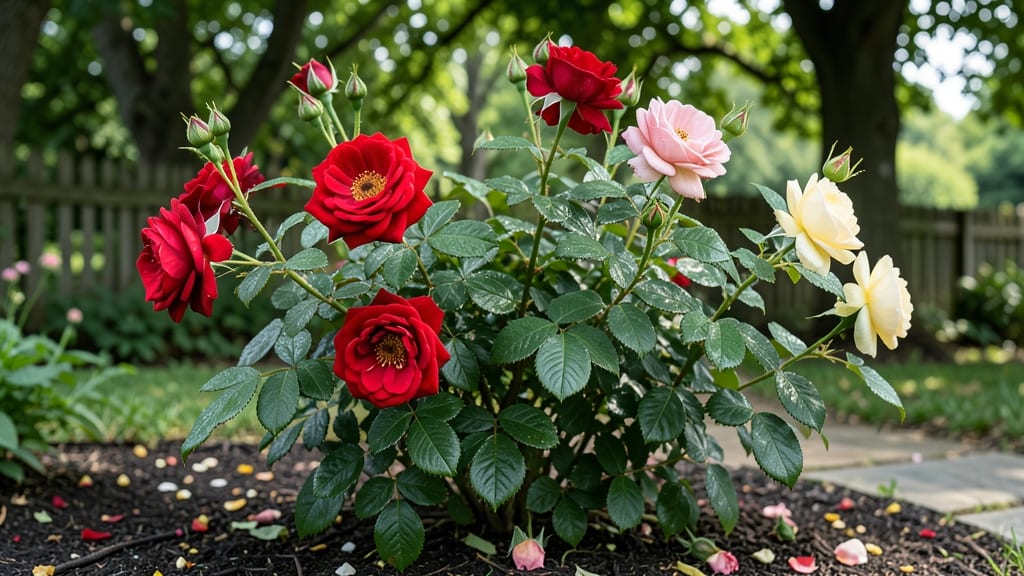
The flowering season of rose varies wildly depending on the variety—some burst into bloom just once in spring, while others shower you with color from May through October.
Ever wondered why your neighbor’s roses are always in full bloom while yours seem to take a summer nap? The answer lies in understanding your rose’s flowering type and how to care for it at each stage.
In this guide, we’ll break down the exact months for spring bloomers, repeat-flowering varieties, and continuous bloomers, plus the care tricks to keep your 🌹 thriving longer.
Whether you’re planning a wedding bouquet or just want a garden that never stops blooming, you’ll find out how to match roses to your season—and how to coax extra weeks of color from them.
When do roses bloom? Exact months by flowering season type
If you’ve ever wondered why your neighbor’s roses are bursting with color while yours are still budding, the answer likely lies in their flowering season type. Roses aren’t one-size-fits-all—they fall into three main categories: spring-blooming, repeat-flowering, and continuous bloomers.
Each has a distinct timeline that determines when you’ll see those show-stopping blooms. Understanding these differences lets you choose varieties that align with your garden’s goals, whether it’s a spring explosion of color or summer-long displays.
The key to planning your rose garden lies in knowing these exact bloom windows. For example, spring-blooming roses like the classic David Austin English roses put on their best show in April–June and then take a summer break.
Meanwhile, repeat-flowering varieties, such as Hybrid Teas or Floribundas, can deliver blooms from May through October with proper care. And then there are the continuous bloomers, like Knock Out roses, which reward you with flowers from late spring until frost.
Let’s break down the exact months for each type so you can plan your garden like a pro.
Spring-blooming roses are the drama queens of the garden—they make a spectacular entrance in April and May but then often take a break until fall. Varieties like Rosa rugosa or David Austin’s ‘Gertrude Jekyll’ produce lush, fragrant blooms that turn heads, but their season is short-lived. If you love the idea of a spring garden party, these roses are your go-to. However, if you crave color all season, you’ll need to mix in repeat-flowering varieties like Hybrid Teas, which burst into bloom in late May and keep going until October with the right care.
For gardeners who dream of a year-round rose display, continuous bloomers like Knock Out roses are a game-changer. These hardy varieties start flowering in late spring and don’t stop until frost hits. They’re also incredibly low-maintenance, making them perfect for busy gardeners.
If you’ve ever seen a rose bush covered in blooms from June through September, chances are it’s a continuous bloomer. The secret to their success? Regular deadheading and a balanced fertilizer schedule to keep them energized.
Climate plays a huge role in when roses bloom. In warmer zones (USDA 8–10), roses often start earlier—sometimes as early as March—and may bloom until November.
In cooler regions (USDA 4–6), expect blooms to begin in late April or May and taper off by September or October.
For example, my Knock Out roses in Zone 5 start flowering in late May and continue until mid-October, while the same variety in Zone 9 might bloom from March to December. Always check your local frost dates and adjust your expectations accordingly.
One common misconception is that all roses bloom at the same time. In reality, even within a single repeat-flowering category, there’s variation. For instance, Grandifloras often bloom slightly later than Floribundas, with peak seasons in June–July versus May–August.
If you’re planning a rose-themed wedding in June, a Hybrid Tea like ‘Double Delight’ will give you show-stopping blooms, while a Floribunda like ‘Iceberg’ might be better for a spring garden party. Mixing varieties ensures your garden never looks bare.
To maximize your rose blooms, pay attention to pruning timing. Spring-blooming roses should be pruned right after their initial flush of flowers to shape them for the season. Repeat-flowering roses, however, benefit from a light pruning in early spring followed by regular deadheading throughout the season.
Continuous bloomers like Knock Outs thrive with minimal pruning—just remove dead wood in late winter and trim back after frost. Pro tip: Feed your roses in early spring with a balanced fertilizer (like 10-10-10) to kickstart growth, then switch to a
Best rose varieties for year-round color: month-by-month blooming guide
If you dream of a garden that never stops blooming, the key lies in selecting rose varieties that align with your desired season. Some roses burst into color in spring only, while others provide continuous blooms from May through October.
With the right mix, you can enjoy roses year-round—even if you live in a cooler climate.
For example, 'Iceberg' roses shine in spring and fall, making them perfect for early weddings or autumn arrangements. Meanwhile, 'Knock Out' roses thrive in summer, offering low-maintenance color when other varieties fade. Let’s break down the best varieties for each month and how to plan your garden for maximum impact.
🌹 Top Rose Varieties by Blooming Season
- January–February: 'Winter Wonderland' (hardy hybrid tea, blooms in mild climates).
- March–April: 'Iceberg' (repeat bloomer, spring highlight).
- May–June: 'Double Delight' (fragrant climber, peak wedding season).
- July–August: 'Knock Out' (disease-resistant, summer staple).
- September–October: 'Belinda's Dream' (fall-blooming shrub, rich burgundy).
- November–December: 'Christmas Rose' (Helleborus, evergreen foliage).
For spring weddings, prioritize 'Iceberg' or 'David Austin English Roses'—both bloom reliably in May and June. If you want summer color, 'Knock Out' roses are your best bet, as they thrive in heat and require minimal pruning.
These varieties also attract pollinators like bees and butterflies, adding life to your garden.
To extend blooming seasons, pair spring bloomers with repeat-flowering varieties. For instance, plant 'Iceberg' alongside 'Playboy' (a classic repeat bloomer) to ensure color from April through October. This strategy works especially well in USDA Zones 6–9, where winters are mild enough for some roses to survive and rebloom.
Don’t forget fall and winter interest. Varieties like 'Belinda's Dream' or 'Winter Dream' (a cold-hardy shrub) provide late-season color, while evergreen roses like 'The Fairy' add texture to winter gardens. Mulch heavily in fall to protect roots and encourage early spring blooms.
Pro tip: Group roses by blooming season in your garden layout. Place spring bloomers near patios for early enjoyment, while summer and fall varieties should flank pathways or focal points. This creates a sequential bloom effect, ensuring your garden stays vibrant from March through November.