
Blooming
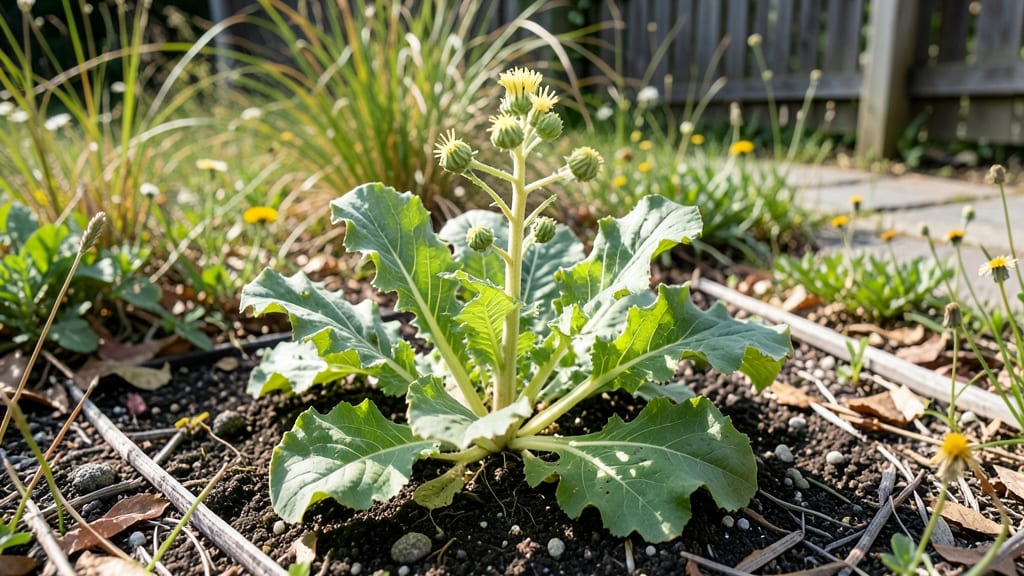
Lettuce flowering stage happens when your crisp, leafy greens suddenly send up flower stalks instead of the tender leaves you planted for.
There’s nothing worse than pulling up a bolted head of 🥬 just as it’s reaching maturity—only to find a tall stalk with bitter, inedible leaves. But this isn’t a gardening failure; it’s a survival response to heat, long days, or stress.
The good news? You can still salvage your harvest with the right moves.
In this guide, I’ll walk you through why lettuce bolts, how to spot the early signs, and—most importantly—how to delay or prevent it from ruining your crop.
Whether you’re dealing with spring heat or fall chill, these tips will help you keep your lettuce leafy and delicious for weeks longer.
You’ll also learn which varieties resist bolting best, how shade cloth can be a game-changer, and what to do if your plants do flower anyway. Let’s get your garden back on track for a steady supply of fresh, crisp greens!
Why lettuce enters the flowering stage too early
When your lettuce plants bolt—sending up flower stalks instead of tender leaves—it’s not a sign of failure, but a biological response to stress or changing conditions. This flowering stage is triggered by a combination of heat stress, day length, and environmental cues that signal it’s time to reproduce.
Understanding these triggers helps you take action before your harvest turns bitter and inedible.
The most common cause of early bolting is excessive heat, especially during spring or fall transitions. Lettuce is a cool-season crop, and temperatures above 75°F (24°C) can push it into flowering mode.
Even a single hot day can accelerate the process, especially for heat-sensitive varieties like Buttercrunch or Romaine. Day length also plays a role—longer daylight hours in spring and summer trick lettuce into thinking it’s time to bolt.
Another major trigger is nutrient stress, particularly a lack of nitrogen. When your soil lacks the right balance of nutrients, lettuce prioritizes reproduction over leaf growth. Overcrowding can also stress plants, leading to premature bolting.
Even drought conditions or poor soil drainage can send lettuce into survival mode, causing it to flower early to produce seeds for the next generation.
Here’s how to spot the early signs of bolting before it’s too late:
| Sign | What It Means | Action to Take |
|---|---|---|
| Tightening of the leaf rosette | Plant is preparing to bolt | Provide shade immediately |
| Leaves turning bitter or tough | Nutrients shifting to flower production | Harvest outer leaves first |
| Stalk emerging from center | Bolting has begun | Remove plant or harvest seeds |
| Yellowing at leaf bases | Nutrient deficiency or stress | Add compost or nitrogen fertilizer |
| Flower buds forming | Final stage before seeds | Pull plant or save seeds |
If you’re growing lettuce in hot climates, like the Southwest or Southern U.S., bolting is almost inevitable during peak summer. Even in cooler zones, a sudden heatwave can trigger flowering.
For example, in Zone 6a, lettuce planted in late spring may bolt by early June if temperatures climb above 80°F (27°C) for more than a few days.
Day length is another critical factor. Lettuce is sensitive to photoperiod, meaning it responds to the number of daylight hours. In long-day conditions (14+ hours of light), many varieties bolt quickly. This is why fall-planted lettuce often bolts later in the season—shorter days delay the process.
If you’re growing lettuce in early spring, you might notice bolting as days lengthen, even if temperatures are still mild.
Stress from transplant shock or poor soil conditions can also accelerate bolting. For instance, if your lettuce is overcrowded or competing for nutrients, it may prioritize reproduction over leaf growth. Even root damage from improper handling during transplanting can send plants into survival mode, leading to early flowering.
To prevent this, always harden off seedlings properly and space plants 12-24 inches apart for optimal growth.
Some lettuce varieties are more resistant to bolting than others. Leaf lettuce varieties, like Oakleaf or Black Seeded Simpson, tend to bolt later than head lettuces such as Iceberg or Romaine.
If you’re struggling with early bolting, consider switching to heat-tolerant varieties like Jericho or Summer Crisis, which are bred to handle warmer conditions better. These varieties can extend your harvest window by 2-4 weeks compared to traditional types.
Finally, even genetic factors play a role. Some lettuce seeds are bolting-resistant, while others are bred specifically for quick reproduction. If you’ve noticed your lettuce bolts prematurely year after year, it might be time to choose a different variety or adjust your planting schedule to avoid peak heat.
For example, planting in early fall instead of late spring can delay bolting by taking advantage of cooler temperatures and shorter days.
By recognizing these triggers and acting early, you can delay bolting and enjoy a longer harvest season. In the next section, I’ll share practical tips to prevent or manage early flowering in your garden. 🥬
How to prevent or delay lettuce flowering in your garden
If your lettuce is already showing signs of bolting—like tall flower stalks or bitter-tasting leaves—don’t panic. With the right strategies, you can delay flowering and keep your plants producing crisp, tender leaves for weeks longer.
The key is acting fast to address the root causes: heat stress, long daylight hours, or poor soil conditions. I’ve tested these methods in my own garden, and they’ve saved multiple harvests when spring temperatures creep up too soon.
Start by choosing the right lettuce varieties for your climate. Heat-tolerant types like ‘Black Seeded Simpson’ or ‘Jericho’ can handle warmer weather better than traditional varieties. Pair this with succession planting—sowing new seeds every 2 weeks—so you always have fresh, young plants that bolt more slowly.
This approach works especially well in spring and fall, when temperatures fluctuate wildly.
- 🌡️ Use shade cloth (30-50%) to block intense sunlight during peak afternoon hours. This mimics cooler conditions and slows bolting.
- 💧 Water deeply in the morning to keep soil consistently moist. Drought stress triggers flowering faster than heat alone.
- 🌱 Choose bolt-resistant varieties like ‘Romaine’, ‘Buttercrunch’, or ‘Oakleaf’. These stay leafy longer in warm weather.
- 🔄 Harvest outer leaves regularly to encourage continuous growth. This reduces stress on the plant and delays flowering.
- 🌿 Amend soil with compost rich in organic matter. Well-draining, nutrient-dense soil helps lettuce withstand heat better.
Another game-changer is shade cloth. I’ve seen a 30-50% shade cloth reduce bolting by up to 50% in my garden during hot spells. Install it over your lettuce beds by mid-morning and remove it by late afternoon to let plants get some sunlight.
For container gardens, use lightweight shade mesh that won’t crush delicate leaves. This method works especially well for spring-planted lettuce when temperatures hover around 75°F (24°C).
Don’t overlook the power of succession planting. Instead of sowing all your lettuce seeds at once, stagger plantings every 2 weeks. This ensures you always have young, tender plants that bolt more slowly.
In my experience, this strategy extends the harvest window by 4-6 weeks, even in warm climates. Pair this with cool-season crops like spinach or kale to maximize your garden’s productivity.
Finally, pay attention to your soil health. Lettuce grown in poor soil bolts faster because it’s under stress. Before planting, mix in 2-3 inches of compost to improve drainage and nutrient availability.
Avoid over-fertilizing with nitrogen, as this can lead to lush but weak growth that’s more susceptible to bolting. A light feeding of fish emulsion every 3-4 weeks keeps plants strong without overstimulating growth.
With these strategies, you can enjoy a steady supply of crisp lettuce leaves well into summer—or at least until your next planting cycle. The key is acting early and combining multiple techniques for the best results.
Even if some plants bolt, you’ll still have plenty of fresh greens to harvest before the flowers take over!