
Blooming
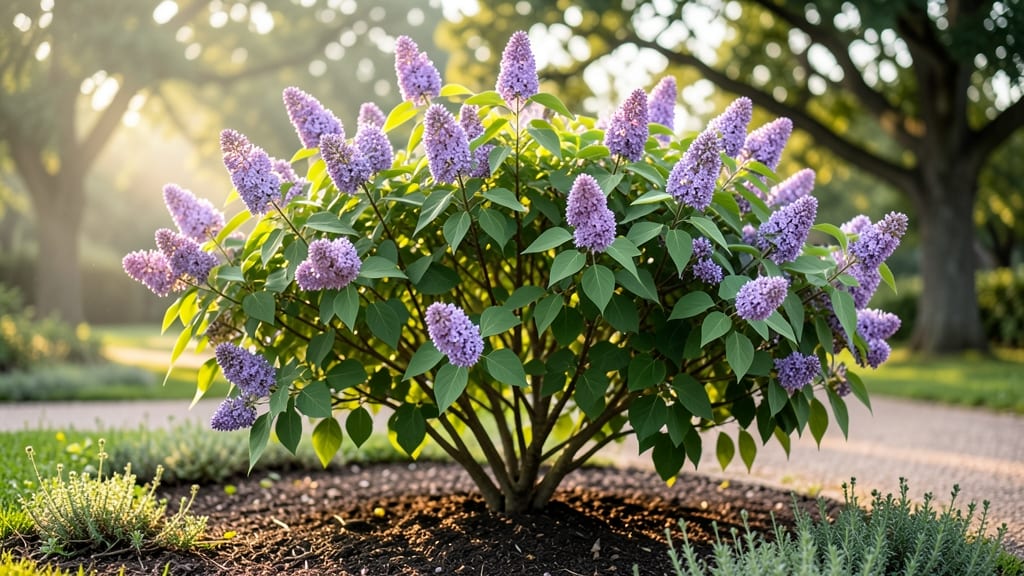
The lilac flower blooming season arrives in late spring 🌸, transforming your yard into a fragrant paradise—but only if you know the right timing for your region.
Picture this: you’ve waited all winter for that first whiff of lilac perfume, only to find your bushes sitting quietly, buds still tightly closed. The intoxicating scent of lilacs signals spring’s arrival—but timing varies dramatically by region, making all the difference between a fleeting bloom and a fragrant spectacle.
From the chilly north to the milder south, blooms can appear anywhere from mid-April to early June, depending on your USDA zone, variety, and even last year’s pruning habits.
In Zone 6a, where many gardeners live, lilacs typically burst into color by late April to May, but a late frost or heavy pruning can push those blooms weeks later.
Below, I’ll break down the exact months to expect flowers in your area, plus 3 simple tricks to coax earlier—or longer—blooms from your shrubs. No guesswork, just fragrant results.
Exact lilac flower blooming months by U.s. climate Zones
Lilacs are one of spring’s most beloved shrubs, but their blooming windows vary dramatically across the U.S. In Zone 3, frost delays buds until late May, while Zone 10 lilacs may burst into bloom as early as February.
Understanding your zone’s timing helps you plan pruning and enjoy peak fragrance—because nothing beats a lilac’s sweet perfume wafting through your garden at the perfect moment.
Most lilacs bloom for just 7-14 days, so knowing your early, mid, or late bloomer variety can extend your floral display. Northern varieties often need chilling hours (300-500) to trigger buds, while southern types may bloom earlier but weaker without proper winter dormancy.
Let’s break down the exact months for each zone, including adjustments for northern vs. southern varieties within the same zone.
In Zones 3-4, where winters are harsh, lilacs often wait until late May to bloom. This delay ensures buds survive sub-zero temperatures, but it also means gardeners must prune after blooming to avoid cutting off next year’s flowers.
Varieties like 'Purple Haze' are bred for these climates and can handle up to -40°F.
Gardeners in Zones 5-6 enjoy the sweet spot for lilacs, with blooms typically arriving in early to mid-May. This timing aligns perfectly with spring cleanup, allowing you to plant perennials alongside your lilacs for a cohesive garden design.
The 'Katherine Havemeyer' variety is a standout here, offering prolonged blooming and intense fragrance.
Southern gardeners in Zones 7-8 often see lilacs bloom as early as late April, but these varieties may produce smaller, less fragrant flowers without proper winter chilling. To extend blooming, choose southern-adapted cultivars like 'President Lincoln' and prune lightly in early spring to encourage new growth.
For Zones 9-10, lilacs can bloom as early as February, but heat waves or drought may stress plants. 'Miss Elaine', a dwarf variety, thrives here and produces abundant blooms with minimal care. Mulch heavily in summer to retain moisture and prevent root stress.
Regional adjustments matter: A northern variety planted in Zone 9 may bloom late or not at all, while a southern variety in Zone 5 could struggle with cold. Always check a plant’s hardiness zone range before purchasing—this ensures reliable blooming year after year.
Pro tip: Track your lilac’s blooming date for 3 years to identify patterns. If blooms arrive 2 weeks late, it may signal poor drainage, over-fertilization, or lack of sunlight. Adjust care accordingly to bring back that classic lilac perfume you love.
🌸
How to extend your lilac flower season with pruning and care
Lilacs are famous for their intense fragrance and vibrant blooms, but their blooming season can feel disappointingly short. With the right pruning techniques and seasonal care, you can push those purple, pink, or white flowers to appear 2-4 weeks earlier or linger longer into summer.
The key lies in understanding when and how to cut, along with soil and watering adjustments tailored to your USDA hardiness zone.
Most lilacs bloom on old wood—last year’s growth—meaning aggressive pruning right after flowering can reduce next year’s blooms. However, strategic cuts and soil pH adjustments can trick your shrub into blooming earlier or extending its display.
For example, late-summer pruning encourages new growth that may flower the following spring, while acidic soil (pH 6.0-7.0) supports stronger root development, leading to more abundant blooms.
🌸 Pro Tip for Extended Blooms
Prune late summer (August-September) to remove 1/3 of oldest stems—this stimulates new growth that may bloom 2-3 weeks earlier next spring. Avoid heavy cuts in fall or winter, as lilacs need dormant season to set buds.
Start by testing your soil’s pH—lilacs thrive in slightly acidic to neutral soil (pH 6.0-7.0). If your soil is too alkaline (pH >7.5), blooms will be sparse and short-lived. Amend with sulfur or peat moss to lower pH gradually.
Pair this with a balanced fertilizer (10-10-10) applied in early spring as buds swell, but avoid high-nitrogen fertilizers, which promote leafy growth over flowers.
Watering plays a critical role in extending blooms.
Lilacs are drought-tolerant once established, but consistent deep watering (1-2 inches per week) during bud development (late winter to early spring) ensures robust flowers. Morning watering prevents fungal diseases like powdery mildew, which can weaken stems and shorten the blooming period.
Mulch around the base with wood chips or straw to retain moisture and regulate soil temperature.
For earlier blooms, choose early-season varieties like 'Sensation Lilac' or 'President Lincoln', which often flower 2-3 weeks ahead of traditional types. If you want longer-lasting blooms, opt for 'Katherine Havemeyer', a repeat bloomer that can produce secondary flowers in late summer with proper care.
Pair these with light pruning after each flush of blooms to encourage continuous growth.
Remember, lilacs are perennials with long lifespans—patience and precision in pruning yield rewards for decades.
By combining seasonal pruning, soil adjustments, and targeted watering, you’ll transform a fleeting spring display into a fragrant, extended spectacle that brightens your garden from late spring to early summer.