
Blooming
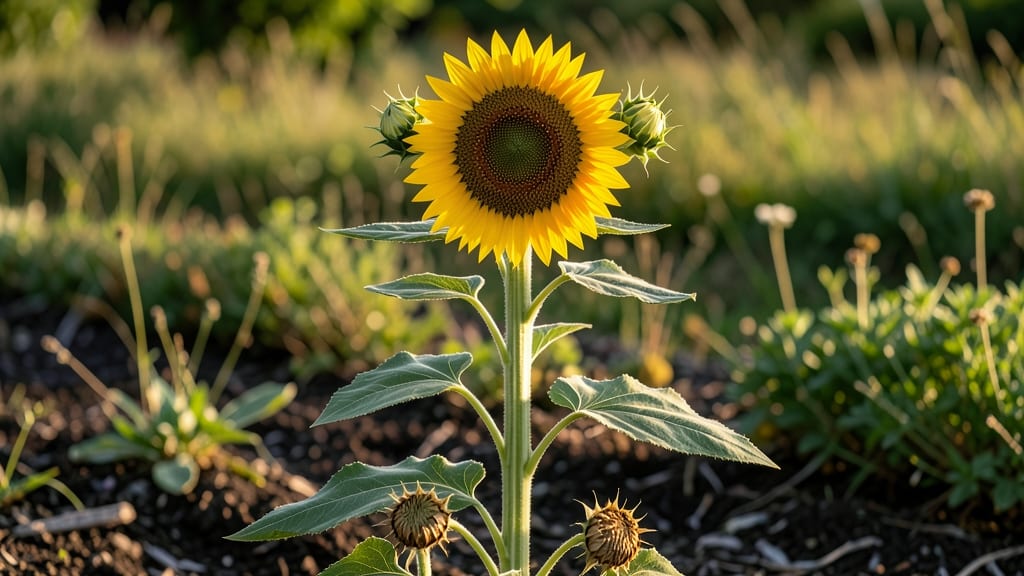
The sunflower season begins when you plant after the last frost for towering blooms that can reach over 12 feet tall 🌻 — and timing it right is the secret to those iconic golden faces.
Picture this: you’ve just stepped outside in early May, and your sunflower seedlings are stretching toward the sky, already outpacing your tomatoes. That’s the magic of getting it right — but miss the window, and you’re left with stunted plants or late blooms that never reach their full glory.
Whether you’re in a cool USDA Zone 6a or a warmer region, the key is planting between April and May for the best results.
Too early, and frost will nip them in the bud; too late, and your blooms might not have enough time to mature before summer’s heat sets in.
In this guide, I’ll walk you through the ideal planting schedule by climate zone, how to extend your sunflower season for longer blooms, and the common mistakes that can leave your plants struggling. Ready to grow sunflowers that turn heads?

The ideal sunflower planting season by US climate zones
Timing your sunflower planting is the secret to those iconic 12-foot giants you’ve always dreamed of. Since sunflowers (Helianthus annuus) are warm-season plants, they need consistent temperatures above 50°F (10°C) to thrive.
But the perfect window varies wildly—from Zone 3’s short summers to Zone 10’s year-round warmth. Let’s break down the ideal planting calendar by climate zone to ensure your sunflowers reach their full potential.
Most gardeners focus on spring planting, but did you know sunflowers can also thrive with fall planting in warmer zones? The key is calculating your frost-free days and choosing varieties with the right days to maturity.
For example, Mammoth sunflowers need 90–120 days to bloom, while Teddy Bear varieties mature in just 50–60 days. This flexibility lets you stretch your blooming season from early summer to late fall.
Here’s the golden rule: Plant sunflowers 2–3 weeks after your last frost date in spring, or 8–10 weeks before your first frost in fall. In colder zones, this might mean late May planting for summer blooms, while in Zone 10, you can sow seeds year-round with continuous harvests. Let’s dive into the specifics for each USDA zone.
In Zones 3–5, where winters are harsh, your only shot at sunflowers is spring planting after the soil warms to 55°F (13°C). Use black plastic mulch to speed up soil warming and protect young seedlings from late frosts.
In these zones, Mammoth varieties are worth the wait—they’ll reward you with 12-foot stalks if given enough time.
For Zones 6–8, you’ve got flexibility: plant in late April for summer blooms or try late July sowings for fall color. This two-pronged approach gives you continuous blooms from June through October. Just be sure to choose fast-maturing varieties for fall plantings—Sunspot (55 days) is a great pick.
Gardeners in Zones 9–10 can treat sunflowers like annuals year-round. Start seeds in February for early summer blooms or September for winter harvests. Autumn Beauty is a standout here, offering deep red petals that transition to golden yellow—a stunning contrast for holiday decor.
Pro tip: Use a planting calendar to track your frost dates and count backward from your first frost to determine fall planting windows. For example, if your first frost is November 15, plant 8 weeks before (around September 15) for a fall harvest.
In warmer zones, you can even overwinter sunflowers with row covers for unexpected blooms in winter.
Don’t forget that soil temperature matters just as much as air temperature. Sunflower seeds won’t sprout until the soil reaches 55–60°F (13–16°C). Use a soil thermometer to check—if it’s cooler, wait or use heat mats for containers.
In northern climates, you can also start seeds indoors 2–3 weeks before your last frost and transplant seedlings after danger of frost has passed.
One common mistake is planting sunflowers too close to summer’s end. If you sow seeds in late August, your plants may not mature before frost. Instead, aim for early summer plantings in cooler zones or succession plant every 2 weeks for a steady supply of blooms.
For continuous harvests, mix early, mid, and late-season varieties—think of it like a sunflower buffet for pollinators all season long.
Want to enjoy those golden sunflower blooms all season long? The trick is strategic planting and variety selection. By blending succession planting with the right sunflower types, you can stretch your harvest from early summer through fall. The key is understanding how different varieties mature at different rates, allowing you to stagger plantings for continuous color and seed production. First, let’s talk about soil preparation. Sunflowers thrive in loose, well-draining soil rich in organic matter. Before planting, mix in compost or aged manure to give your plants a nutrient boost. This not only supports faster growth but also helps roots establish quickly, so your blooms appear sooner. A balanced fertilizer (10-10-10) applied at planting time can also jumpstart your sunflowers for earlier and longer-lasting flowers.
How to extend your sunflower season for longer blooms
For succession planting, start with fast-maturing varieties like Teddy Bear or Sunspot every 2-3 weeks. These varieties bloom in as little as 50-70 days, giving you early color and seeds.
Follow them with mid-season types like Autumn Beauty (90-110 days) to keep blooms coming. Save your Mammoth varieties for late summer plantings—they’ll reward you with dramatic, late-season blooms that last until frost.
Don’t forget companion planting to protect your sunflowers and extend their season. Pair them with basil or marigolds to deter pests like aphids and spider mites. These companions also improve soil health, giving your sunflowers a stronger foundation for longer blooming.
A 3-inch layer of mulch around the base helps retain moisture and suppresses weeds, reducing stress on your plants and prolonging their bloom time.
Finally, watch for late-season pests like sunflower moths or birds that may snatch your seeds. Use bird netting over seed heads once they form, and handpick any visible pests early in the morning.
With these strategies, you’ll enjoy continuous sunflower blooms from early summer through fall, turning your garden into a golden paradise all season long. 🌻