
Mower
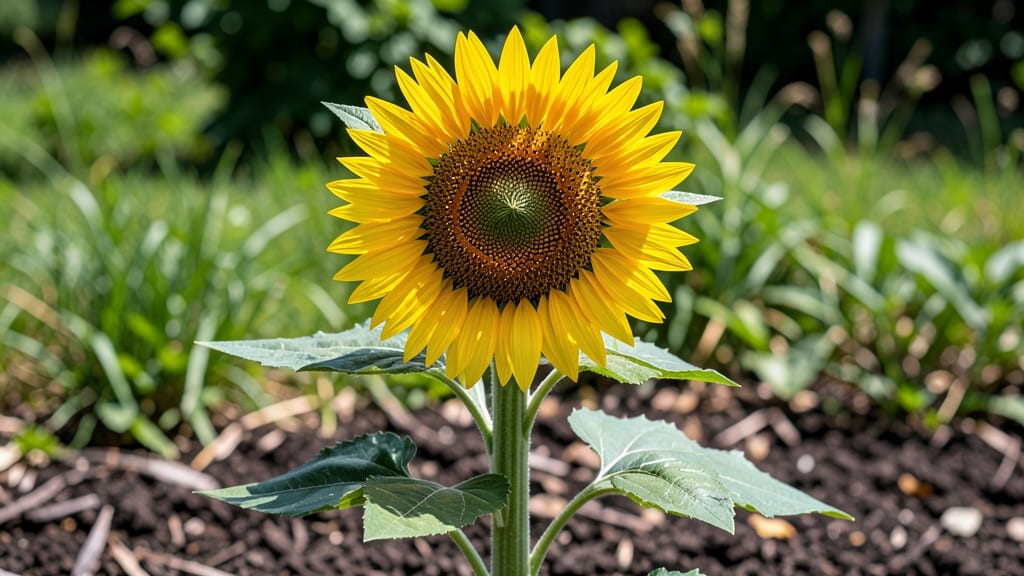
The mammoth sunflower size can reach 10 to 14 feet tall—taller than most gardeners are—and their massive blooms make them a showstopper in any yard 🌻.
Picture this: a single sunflower soaring above your fence, its petals catching the afternoon sun like a giant golden spotlight. But before you plant these giants, you’ll need to plan for their space—and their speed.
These sunflowers shoot up 3 to 4 inches per day in ideal conditions, so spacing and soil prep are everything.
Too little room, and they’ll compete for nutrients, leaving you with lanky stems and half-size blooms. Too much space, and your garden might look sparse. The right balance—along with proper sunlight and water—is the key to unlocking their full height potential.
In this guide, I’ll break down exactly how tall they get, the best spacing for your garden, and the simple tricks to grow them even bigger—without the guesswork.


How tall do Mammoth sunflowers grow? Height expectations and growth stages
If you’ve ever dreamed of growing a sunflower that towers over your garden fence, Mammoth sunflowers are your answer. These giants can reach heights of 10 to 14 feet, making them the tallest sunflower varieties available.
But their growth isn’t just about height—it’s also about speed, with many varieties maturing in just 3 to 4 months from seed to full bloom. Understanding their growth stages and size expectations will help you plan your garden layout and provide the care they need to thrive.
What sets Mammoth sunflowers apart from their smaller cousins is their dramatic height and robust stems. While standard sunflowers typically max out at 3 to 5 feet, Mammoth varieties like 'Mammoth Russian' or 'Autumn Beauty' can easily surpass 12 feet under ideal conditions.
However, their final height depends heavily on genetics, sunlight exposure, soil quality, and water availability. Let’s break down what you can expect and how to maximize their growth potential.
🌻 SUMMARY-TABLE: Mammoth Sunflower Size & Growth Guide
Growth Stage
Height Range
Time to Reach Stage
Key Care Tips
Seedling
1–3 inches
7–14 days
Keep soil moist, thin seedlings
Vegetative Growth
3–6 feet
4–6 weeks
Full sun, deep watering, stake if needed
Flower Bud Formation
6–10 feet
8–10 weeks
Balanced fertilizer, support stems
Mature Height
10–14 feet
10–12 weeks
Monitor for pests, prune lower leaves
One of the most exciting aspects of growing Mammoth sunflowers is watching them shoot up in just a few months. In optimal conditions, these sunflowers can grow 2–3 inches per day during their rapid growth phase.
This means a seedling that starts at just 1 inch can reach 6 feet in about 6 weeks. However, their growth rate slows as they near maturity, focusing energy on developing their massive flower heads instead of height.
To achieve their maximum height potential, Mammoth sunflowers need full sun exposure—at least 6 to 8 hours of direct sunlight daily. Without enough light, their stems will grow weak and leggy, often resulting in shorter, less sturdy plants.
I’ve found that planting them in south-facing garden beds or near tall fences that reflect sunlight can give them an extra boost. Additionally, well-draining soil rich in organic matter, like compost, ensures their roots can absorb the nutrients they need to support their towering growth.
Watering plays a crucial role in determining how tall your Mammoth sunflowers will grow. These giants need deep, consistent watering, especially during their early growth stages. Aim to water them 1–2 inches per week, allowing the soil to dry slightly between waterings to prevent root rot.
I’ve noticed that morning watering is ideal—it gives the plants a full day to absorb moisture before the heat of the afternoon. During drought conditions, you may need to increase watering frequency to every 2–3 days to keep their stems strong and upright.
Another factor that influences height is soil fertility. Mammoth sunflowers thrive in soil with a pH between 6.0 and 7.0. If your soil is too acidic or alkaline, their growth can be stunted.
Before planting, I recommend adding a balanced fertilizer, like a 10-10-10 NPK blend, to provide essential nutrients. A light application of fertilizer every 4–6 weeks during the growing season can also encourage taller, healthier stems.
Just avoid over-fertilizing, as too much nitrogen can lead to excessive foliage growth at the expense of flower production.
When comparing Mammoth sunflowers to standard varieties, the differences are striking. While a typical sunflower might reach 3–5 feet, Mammoth varieties can easily double or triple that height. For example, the 'Mammoth Russian' variety is known for its 12–14 foot stems, while 'Autumn Beauty' can reach 10–12 feet.
The trade-off? Their massive size requires more space and support. If you’re growing them in a small garden, consider training them along a trellis or fence to save space while still enjoying their impressive height.
If you’re wondering how to maximize their height, start with proper spacing. Plant seeds 18–24 inches apart in rows that are 3–4 feet apart to give each plant room to grow without competing for nutrients.
In containers, use large pots with a diameter of at least 18 inches and depth of 12 inches to accommodate their deep root systems. Additionally, providing physical support with stakes or cages can prevent them from toppling over, especially in windy conditions.
One common misconception is that Mammoth sunflowers will automatically reach their maximum height without extra care. In reality, their growth is highly dependent on environmental conditions. For instance, cool temperatures can slow their growth, while hot, dry weather can stress the plants and limit their height.
To mitigate these issues, I’ve had success using mulch around the base of the plants to retain moisture and regulate soil temperature. This simple step can make a big difference in their overall health and height.
Finally, don’t forget that patience is key when growing Mammoth sunflowers. From seed to full bloom, it takes about 3–4 months, so resist the urge to harvest or cut them down too early. Let them reach their full height and enjoy their stunning presence in your garden.
Once they’re fully grown, you’ll have a breathtaking centerpiece that’s sure to impress everyone who visits. With the right care, your Mammoth sunflowers will grow taller than ever, turning your garden into a sunlit sanctuary.
Optimal spacing for Mammoth sunflowers: how far apart to plant for maximum growth
Mammoth sunflowers aren't just tall—they're space hogs that need room to stretch their legs (or stems, in this case). Planting them too close means stunted growth, pale blooms, and competing roots that steal nutrients from each other.
The key to growing 12-foot giants is giving them the right spacing from day one.
For in-ground planting, the gold standard is 18-24 inches apart in rows, with 3-4 feet between rows. This spacing mimics their natural growth habits, allowing each plant to access sunlight, water, and nutrients without fighting neighbors.
Think of it like giving each sunflower its own personal bubble to thrive.
| Planting Method | Spacing (Inches) | Row Spacing (Feet) | Best For |
|---|---|---|---|
| In-Ground | 18-24" | 3-4 ft | Large gardens, maximum height |
| Container | 12-18" | N/A | Balconies, patios, small spaces |
| Companion Planting | 24" | 4 ft | With corn, beans, or borage |
If you're growing mammoth sunflowers in containers, reduce spacing to 12-18 inches apart but use large pots (at least 18 inches deep). These sunflowers have deep taproots, so shallow containers will leave them thirsty and stunted.
Pair each plant with a sturdy support stake early—these giants need help staying upright, especially in windy conditions.
For companion planting, increase spacing to 24 inches apart and 4 feet between rows. Pair them with nitrogen-fixing plants like beans or borage, which improve soil health without competing for space.
Avoid planting near shallow-rooted veggies like lettuce or radishes—their roots will get crowded out by the sunflowers' aggressive growth.
Pro tip: If your garden space is limited, try the "staggered planting" method. Plant rows in a zigzag pattern instead of straight lines, which maximizes sunlight exposure for each plant. This trick can squeeze in 10-15% more sunflowers without sacrificing their growth potential.
Remember, soil quality matters just as much as spacing. Amend your soil with compost before planting to ensure your mammoth sunflowers have the nutrients they need to reach their full 10-14 foot potential. With the right spacing and care, you'll be growing sunflowers that outshine your neighbors' gardens—literally! 🌻