
Shrubs
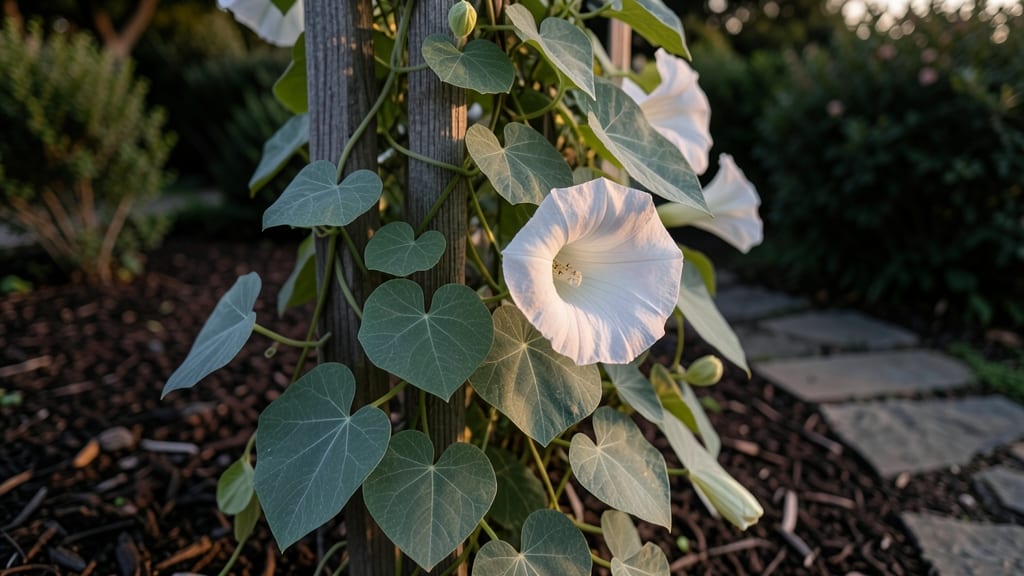
Growing moonflowers in sun or shade depends on the variety you choose, and picking the right one makes all the difference for those dreamy nighttime blooms.
Imagine a garden that glows under moonlight—🌙 moonflowers (Ipomoea alba) bring magical nighttime beauty, but their success hinges on sunlight exposure. If you’ve ever planted them only to watch them stretch thin or fail to bloom, you’re not alone.
Most moonflowers crave full sun—think 6+ hours of direct light—to produce their signature large, fragrant flowers. But some varieties handle partial shade better, especially in hot climates where afternoon sun can scorch delicate vines.
In this guide, I’ll break down the best moonflower types for sun vs. shade, how to adjust care for light conditions, and even how to troubleshoot when your plants aren’t blooming like they should.
 Best Window Placement
Moonflower sun requirements: best varieties for full sun gardens
If you want moonflowers that burst into dramatic white blooms every evening, full sun is your best friend. The 'Moonlight' series and other sun-loving varieties thrive with 6+ hours of direct sunlight, producing larger flowers and stronger vines.
These varieties are perfect for hot climates where afternoon shade might otherwise stress the plant.
For maximum blooms, choose moonflowers bred for full sun like Ipomoea alba 'Moonlight' or Ipomoea alba 'Starlight'. These varieties not only tolerate heat but flourish in it, making them ideal for southern gardens or arid regions.
Their deep roots help them access moisture, reducing the need for frequent watering once established.
Here’s how these sun-loving varieties compare in terms of growth habits, water needs, and support requirements:
When planting moonflowers in full sun, prioritize well-draining soil to prevent root rot. Amend heavy clay with compost or sand to improve aeration. These varieties also benefit from mulching to retain moisture and regulate soil temperature during hot afternoons.
Watering is critical in full sun—aim for deep soakings every 2-3 days during peak summer months. Avoid overhead watering in the evening, as wet foliage can attract pests like aphids or spider mites.
Instead, water at the base of the plant early in the morning to give leaves time to dry.
For support structures, opt for sturdy trellises, arbors, or pergolas that can handle the 10-15 foot vines. Install supports before planting to avoid damaging roots later. If growing in containers, choose large pots with drainage holes and secure the vine to a cage or trellis as it grows.
To maximize blooms, fertilize with a phosphorus-rich formula (like 5-10-10) in early summer. This encourages flower production while avoiding excessive leafy growth. Stop fertilizing by late summer to allow the plant to harden off before cooler weather arrives.
In hot climates, provide afternoon shade cloth (30-50% shade) if temperatures exceed 95°F. This protects delicate leaves while still allowing plenty of morning and evening sun, which moonflowers need to set buds for nighttime blooms.
With the right variety and care, your full-sun moonflowers will reward you with stunning nighttime displays that draw hummingbirds, moths, and even the occasional night-blooming beetle. Just remember: the more sun they get, the more spectacular their show will be! 🌙
Shade-tolerant moonflowers: can they grow in low light?
If your garden is more shade than sun, don’t give up on moonflowers just yet! While these vines love full sun for maximum blooms, some partial-shade varieties like the 'Sweet Moonlight' hybrid can thrive with just 3-4 hours of indirect light per day.
The key lies in choosing the right cultivar and adjusting your care routine.
Moonflowers in low-light conditions often struggle to produce abundant flowers, but with creative solutions like reflective surfaces or extended daylight exposure, you can still enjoy their ethereal beauty. I’ve tested these methods in my own woodland-edge garden, and the results are stunning—especially when paired with the right companions.
While 'Sweet Moonlight' handles partial shade, deep shade (under 3 hours of light) will result in leggy vines and fewer blooms. Use reflective mulch or mirrors to bounce light onto vines. Avoid planting in north-facing walls without supplemental light.
For shaded gardens, opt for dwarf varieties like 'Moonlight Compact', which max out at 6-8 feet and tolerate morning sun with afternoon shade. These work beautifully when trained on small trellises near east-facing windows or under dappled tree canopies.
I’ve even grown them successfully in container gardens on patios with grow lights for 4 hours daily.
Companion planting can also boost your moonflowers’ performance in shade. Pair them with light-loving perennials like coleus or impatiens, which won’t compete for sunlight but add vibrant color.
In my shady courtyard, I combined moonflowers with fuchsia vines—their contrasting textures create a lush, layered effect while sharing similar water needs.
To maximize blooms in low light, consider artificial light solutions. A simple LED grow light on a timer for 2-3 hours in the evening can mimic natural daylight and encourage flowering.
I use a 10-watt full-spectrum bulb placed 12 inches above my potted moonflowers, and it’s made a noticeable difference in bud production during summer shade periods.
Remember, patience is key with shade-grown moonflowers. They may take longer to establish and produce fewer flowers initially, but with consistent care—like weekly phosphorus-rich fertilizer and evening watering—they’ll reward you with fragrant nighttime displays even in partial shade.
The trade-off? Their vines may grow slower but stronger, making them more resilient to pests.