
Flowers
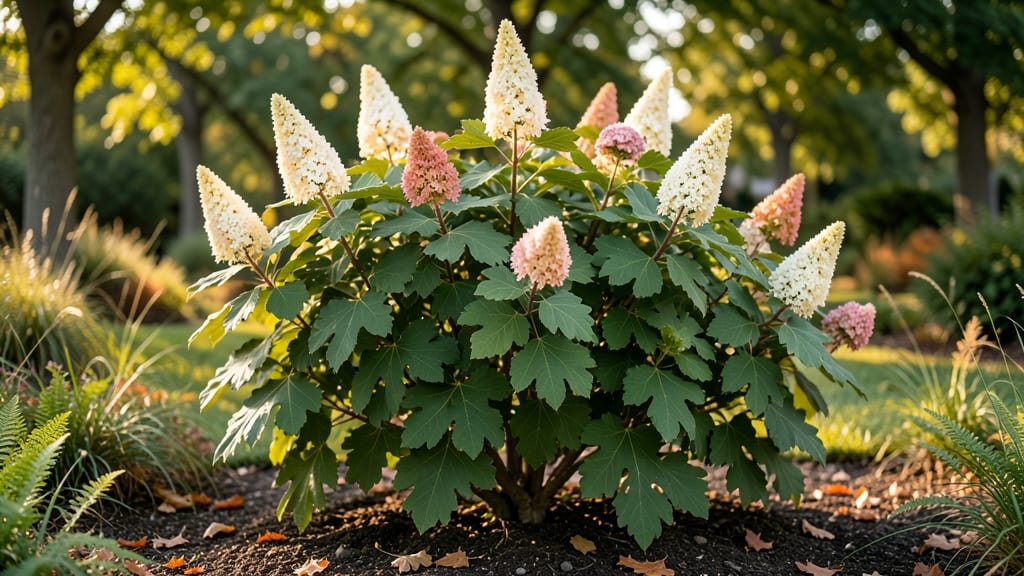
Cultivating an oakleaf hydrangea flower 🌸 means unlocking a shrub that dazzles with blooms and foliage—if you time the care just right.
The oakleaf hydrangea isn’t just a garden showstopper with its fiery fall foliage—it’s a year-round workhorse that thrives with the right care, especially when it comes to pruning.
Most gardeners focus only on summer blooms, but the real magic happens in spring pruning to shape the plant and encourage vibrant flowers all season long.
In this guide, I’ll walk you through the exact seasonal pruning schedule, how to fix common mistakes, and even which companion plants keep your hydrangea looking its best from spring to frost.
When and how to prune oakleaf hydrangeas for maximum blooms
The oakleaf hydrangea's showstopping foliage and summer blooms start with proper pruning. Unlike other hydrangeas, oakleaf varieties bloom on new and old wood, meaning you can prune more aggressively without sacrificing flowers. The key? Timing and technique to avoid over-pruning or missed blooms.
I’ve pruned oakleaf hydrangeas for over 10 years, and the difference between a lush, multi-season shrub and a sparse, leggy mess comes down to two seasons: late winter/early spring and fall cleanup. Let’s break it down so you can keep your hydrangea thriving.
Why timing matters: Pruning at the wrong time can remove next year’s flower buds or leave your plant vulnerable to disease. Oakleaf hydrangeas produce blooms on current season’s growth (new wood) but also rely on last year’s stems for some foliage color. Balance is everything!
Here’s how to decide when to prune based on your goals: maximize blooms or reshape the plant. Both require different approaches, and I’ll show you the exact steps for each.
| Pruning Goal | Best Time | What to Cut | Tools Needed |
|---|---|---|---|
| Maximize Blooms | Late winter/early spring (Feb-March) | Dead/diseased stems + shape lightly | Sharp bypass pruners, gloves |
| Reshape Plant | Fall (after blooms fade) | Up to 1/3 of oldest stems | Loppers, hand pruners |
| Rejuvenate Old Plant | Early spring (March) | Cut back 1/2 of stems to ground | Hedge shears, loppers |
| Encourage Foliage | Summer (after blooms) | Pinch back new growth | Hand pruners, fingers |
For maximum blooms, focus on late winter/early spring pruning (February-March). This is when your oakleaf hydrangea is still dormant, making it easier to see the wood structure and identify dead or diseased stems.
Start by removing any branches that are brown, brittle, or hollow—these won’t produce flowers and can harbor pests.
Next, shape your hydrangea by cutting back crossing or rubbing branches to improve air circulation. Aim to create an open, vase-like structure that allows sunlight to reach the center. Use clean, sharp pruners and make cuts at a 45-degree angle just above a bud or leaf node.
If your oakleaf hydrangea is overgrown or leggy, you can prune up to one-third of the oldest stems to encourage new growth. However, avoid cutting back more than this, or you risk reduced blooms next season. Pro tip: Label stems if you’re unsure which are oldest!
Fall pruning is all about cleanup and preparation. After your hydrangea’s blooms fade (typically in October), remove any spent flower heads and weak stems.
This prevents seed formation and redirects energy to next year’s growth. Avoid heavy pruning in fall, as it can stimulate tender new growth that won’t survive winter.
To shape your hydrangea for optimal air circulation, focus on thinning out dense areas rather than just cutting back the ends. This reduces the risk of fungal diseases like powdery mildew, which loves damp, crowded foliage.
Step back frequently to check your progress—symmetry isn’t the goal; natural balance is.
One common mistake I see is pruning too late in spring, which can delay blooming. If you must prune after mid-April, do so lightly to avoid stressing the plant. Another tip: Water deeply before and after pruning to help your hydrangea recover faster.
For year-round success, mulch around your oakleaf hydrangea after pruning to retain moisture and regulate soil temperature. Use 2-3 inches of organic mulch like shredded bark or pine needles, keeping it away from the stem to prevent rot.
Your oakleaf hydrangea will reward you with vibrant blooms, stunning fall foliage, and healthy growth for years if you stick to this pruning schedule. Happy gardening! 🌿✂️
Common oakleaf hydrangea pruning mistakes and how to fix them
Even experienced gardeners sometimes overlook the delicate balance of oakleaf hydrangea pruning. One wrong cut can turn your showstopper into a leggy, sparse shrub that struggles to rebound. The most common mistakes? Pruning at the wrong time, cutting back too aggressively, or ignoring dead stems until it's too late.
I’ve seen oakleaf hydrangeas go from vibrant bloomers to sad, bare branches in just one season—usually because of these avoidable errors. The good news? Most pruning mistakes can be reversed with patience and the right recovery steps. Let’s tackle the top three errors and how to fix them.
⚠️ Warning: Over-Pruning Oakleaf Hydrangeas
Cutting back more than 1/3 of the plant in one session removes too many flower buds and weakens the shrub. Oakleaf hydrangeas bloom on old and new wood, so aggressive pruning can leave you with no blooms for the entire season.
If you’ve already over-pruned, don’t panic. Start by watering deeply every 5-7 days to help the plant recover. Then, apply a balanced fertilizer (10-10-10) in early spring to encourage new growth.
Focus on shaping the outer branches next year—never cut back more than 10-15% of the plant in a single session.
Under-pruning is just as damaging. If you’ve skipped pruning for years, your oakleaf hydrangea may look wild and unkempt with tangled branches. The fix? Gradual pruning over 2-3 years.
Start by removing dead or crossing branches first, then thin out 10-15% of the oldest stems each year to encourage new growth at the base.
Timing is everything with oakleaf hydrangeas. Pruning in late winter or early spring (before buds swell) is ideal, but many gardeners make the mistake of cutting back in fall or winter, which can leave the plant vulnerable to cold damage.
If you’ve pruned at the wrong time, wait until late winter to trim any remaining dead or damaged stems.
After pruning, adjust your watering schedule to help the plant recover. Water deeply once a week for the first month post-prune, then taper off to bi-weekly watering once new growth appears.
Avoid fertilizing until you see new leaf growth—this ensures the plant isn’t stressed by too many nutrients too soon.