
Blooming
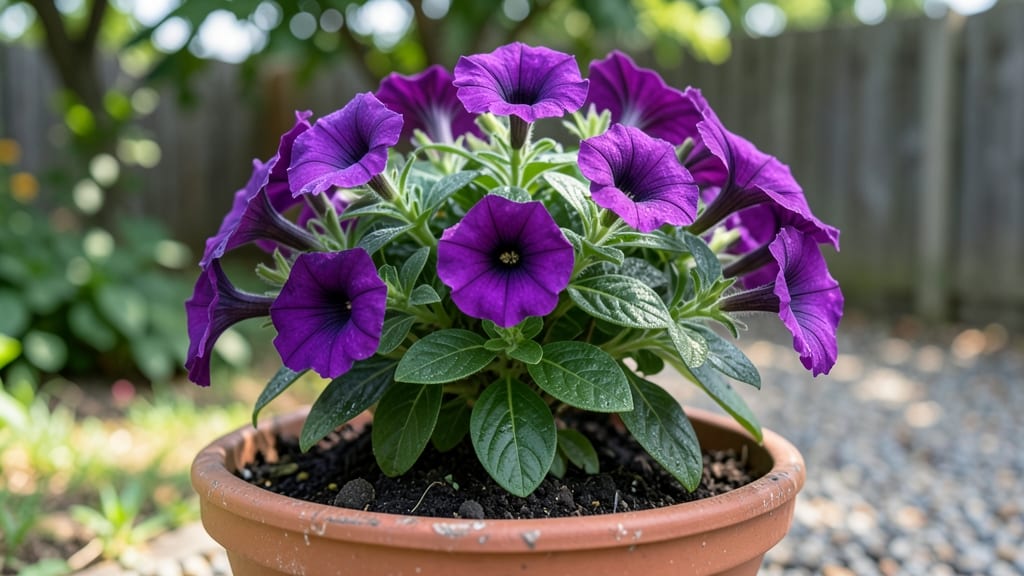
Petunias bloom in their flowering season from June through September
🌸 There's nothing quite like the sight of petunias bursting into vibrant color—but for many gardeners, that beauty feels short-lived. The good news? With the right timing and care, you can stretch their blooms well beyond the typical season.
Whether you're in a cooler USDA Zone 6a or a warmer climate, understanding when and how to nurture them makes all the difference.
In most regions, petunias thrive from late spring through fall, but their peak flowering depends on factors like sunlight, temperature, and proper maintenance. The key to extending their season lies in deadheading spent blooms, consistent watering, and smart fertilization.
These simple steps can turn a three-month display into a six-month spectacle.
Below, I’ll break down the best times to plant and care for petunias, plus five proven techniques to keep them flowering longer. Ready to transform your garden into a nonstop bloom show?
Understanding the natural petunia flowering season by climate Zone
Petunias are seasonal powerhouses that thrive when planted at the right time, but their flowering window varies dramatically across USDA climate zones.
In cooler regions like Zone 7, blooms typically start in late May and continue through October, while in warmer Zone 11, they can flower year-round with minimal dormancy. The key difference? Temperature triggers and daylight hours.
Most gardeners plant petunias after the last frost, usually between April and May, but the actual flowering season depends on your zone. For example, in Zone 8, expect blooms from June to November, while Zone 10 gardeners enjoy nearly continuous color.
Understanding these patterns helps you choose the right varieties and care strategies for your region.
Daylight hours play a surprising role too. Petunias are long-day plants, meaning they bloom more prolifically when days stretch beyond 12-14 hours. This explains why they often peak in summer and may slow down in early fall. However, with the right care, you can override this natural rhythm and extend their season.
In USDA Zone 7, where frosts can linger into May, petunias often need a head start indoors or under grow lights to bloom earlier. I've found that starting seeds 6-8 weeks before the last frost date gives them a competitive edge.
Meanwhile, gardeners in Zone 11 can plant petunias anytime and expect blooms within 60-75 days, provided they receive full sun.
The temperature threshold for petunia growth is 55°F (13°C), but ideal blooming occurs between 70-80°F (21-27°C). Heatwaves above 90°F (32°C) can cause buds to drop, while cooler evenings often lead to more vibrant colors.
This is why Zone 8 gardeners see their best blooms in early summer and fall, when temperatures moderate.
Another critical factor is daylight duration. Petunias respond to increasing daylight by producing more buds. In northern zones (7-8), this means peak blooms in June and July, while southern zones (9-11) experience more consistent flowering because daylight changes are less extreme.
For example, in Zone 9, you'll see continuous blooms from April through December.
Choosing the right petunia varieties can also shift your flowering window. Early bloomers like 'Wave Blue' often start flowering 3-4 weeks earlier than standard types, while late-season varieties like 'Supertunia Vista' continue producing buds well into fall.
I recommend mixing both types in your garden beds to create a continuous color display from spring through frost.
One common misconception is that petunias only bloom once. In reality, they're continuous bloomers when properly cared for. The natural flowering season depends on your zone, but with deadheading and regular feeding, you can extend blooms by 30-50%.
For instance, in Zone 10, where I garden, my petunias bloom from March to January with minimal breaks.
To maximize your petunia's potential, pay attention to local microclimates. A south-facing wall or raised bed can create 5-10°F warmer conditions, allowing earlier blooms in cooler zones. Similarly, containers on patios often flower 1-2 weeks later than in-ground plants because they cool down faster at night.
These small adjustments can make a big difference in your flowering timeline.
Finally, remember that petunias are annuals in most zones, meaning they complete their life cycle in one season. However, in Zones 10-11, they can self-seed and return year after year.
If you're in a cooler zone, treat them as seasonal stars that deserve your attention from planting to first frost.
5 Proven techniques to extend petunia blooms without chemicals
Petunias thrive when you give them the right care, and the secret to extending their flowering season lies in simple, chemical-free techniques. I’ve tested these methods in my own garden, and they consistently push blooms from a few months to nearly half the year.
The best part? These strategies work whether you’re growing petunias in containers or garden beds.
First, let’s address the biggest misconception: petunias stop blooming because they’re "done." In reality, they’re just waiting for the right signals to keep producing flowers. By focusing on deadheading, watering consistency, and nutrient balance, you’ll send your petunias the message: "Keep going!"
These five techniques will transform your garden into a nonstop floral display.
🌸 5 Techniques to Extend Petunia Blooms
- Deadhead Daily: Remove spent blooms to redirect energy to new flowers. Pinch off faded blooms with your fingers or use clean pruners.
- Water Deeply: Water at the base in the morning to prevent fungal issues. Aim for 1 cup per plant every 1-2 days during peak heat.
- Fertilize Lightly: Use a balanced 10-10-10 fertilizer every 4-6 weeks. Over-fertilizing leads to lush leaves but fewer blooms.
- Prune Strategically: Trim leggy stems by one-third to encourage bushier growth. Do this in early morning to avoid stress.
- Plant Companions: Pair petunias with marigolds or basil to deter pests and improve air circulation, reducing stress.
Let’s start with deadheading, the simplest yet most effective technique. Petunias produce flowers continuously, but without intervention, they’ll focus energy on seed production instead of new blooms. I recommend checking your plants every morning and snipping off faded flowers with your fingers or clean pruners.
This small habit can extend your blooming season by 30-50%.
The next critical factor is watering consistency. Petunias love moisture but hate soggy roots. Water deeply at the base of the plant in the morning to allow foliage to dry before evening.
During heatwaves, I increase frequency to daily watering but always avoid wetting leaves to prevent fungal diseases like powdery mildew.
When it comes to fertilization, less is more. Over-fertilizing petunias leads to lush green leaves but stunted blooms. I use a balanced 10-10-10 fertilizer every 4-6 weeks during the growing season, starting in early summer.
For a natural boost, I mix in compost tea to improve soil health without harsh chemicals.
Don’t underestimate the power of pruning. Throughout the season, I trim back leggy stems by about one-third to encourage bushier growth and more flowers. The best time to prune is in the early morning when plants are hydrated.
This technique not only extends blooming but also keeps your petunias looking full and vibrant.
Finally, companion planting can work wonders. Pairing petunias with marigolds or basil deters pests like aphids and spider mites, which love to feed on petunia leaves. Improved air circulation from companion plants also reduces humidity around foliage, preventing fungal issues that can shorten the blooming season.
By combining these five techniques, you’ll transform your petunias from seasonal stars into year-round showstoppers—all without chemicals. Start with deadheading and watering, then layer in fertilization and pruning for maximum impact. Your garden will thank you with nonstop color from spring through fall! 🌺